Local Identification User Guide
The Local Identification function locates the Target through the local characteristics of the Target. This article mainly introduces how to configure a Target with obvious local characteristics in the actual Scene and use one-click connection to train the model.

1. Operation Guide
The Local Identification function is applicable to Picking randomly arranged general type target objectsScene, Loading and unloading of neatly arranged general type target objectsScene
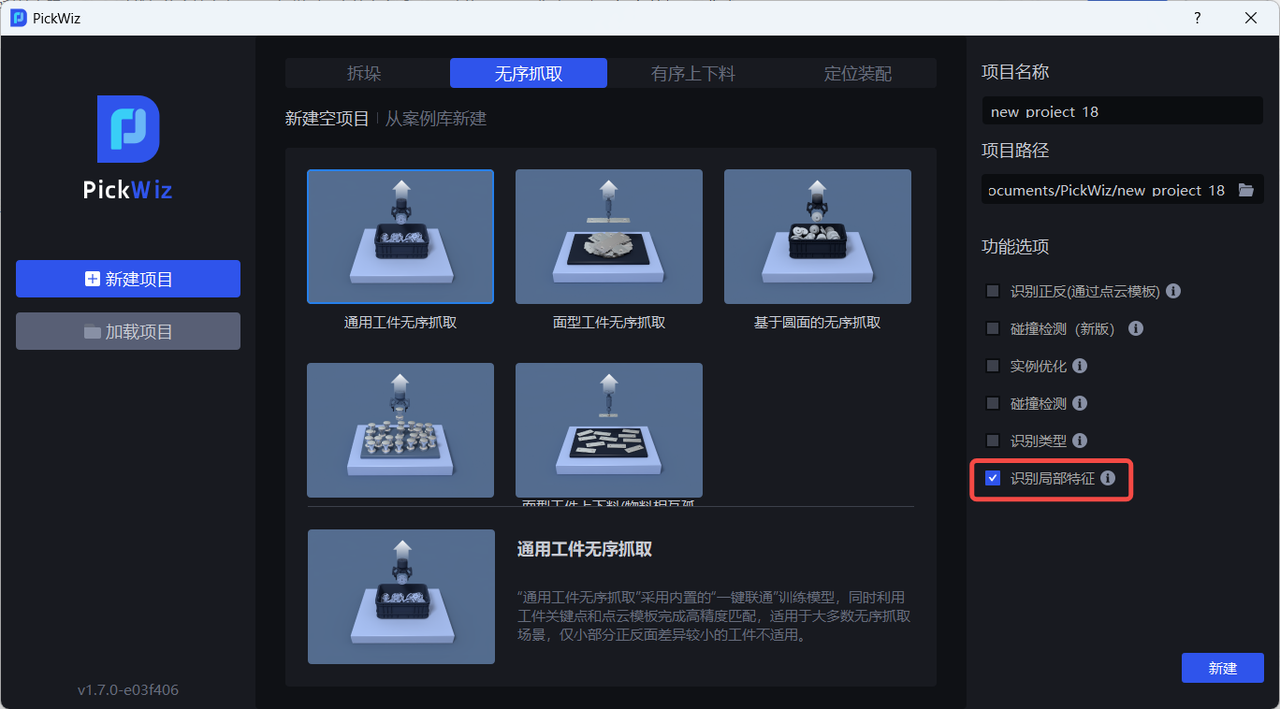
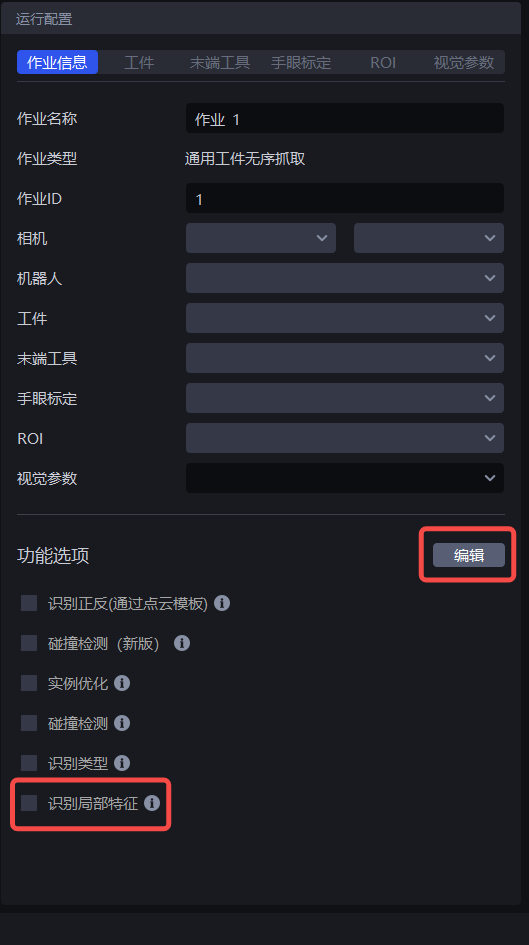
- When the Target in the actual Scene has obvious local characteristics, when creating a new project, check the Local Identification function; if it is not checked when creating a new project, in the Task Information Interface, click Edit on the lower right, then check Local Identification and save**. **
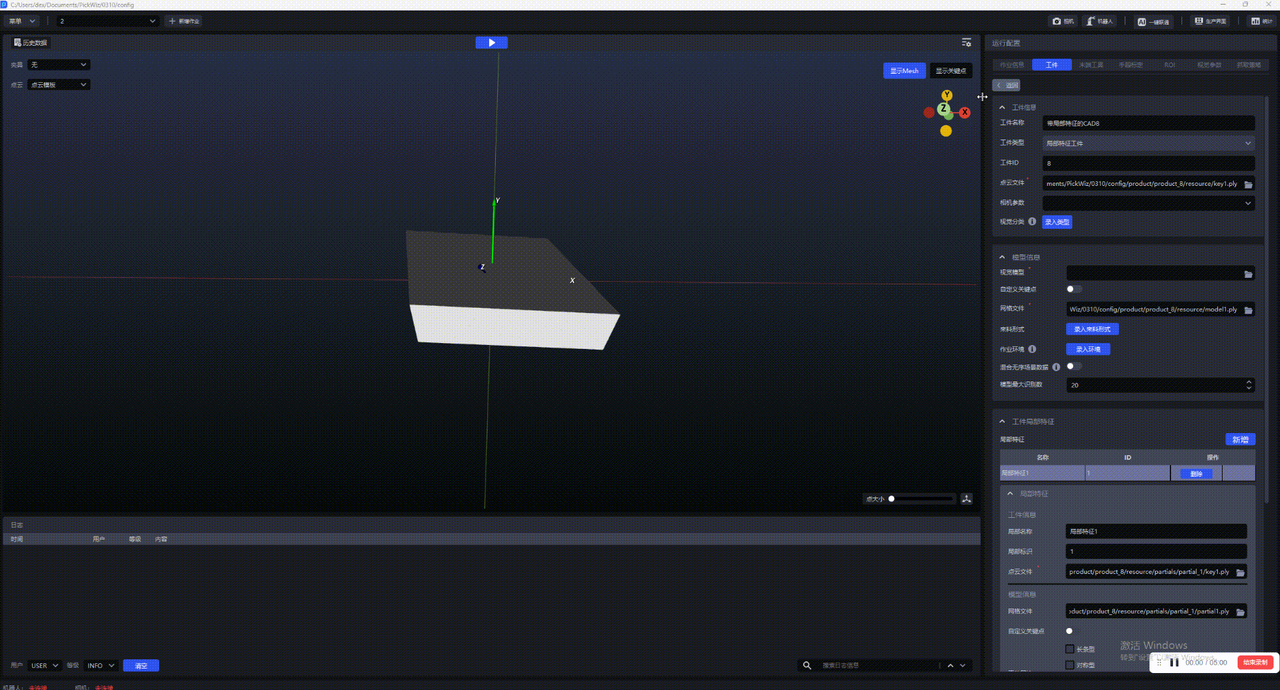
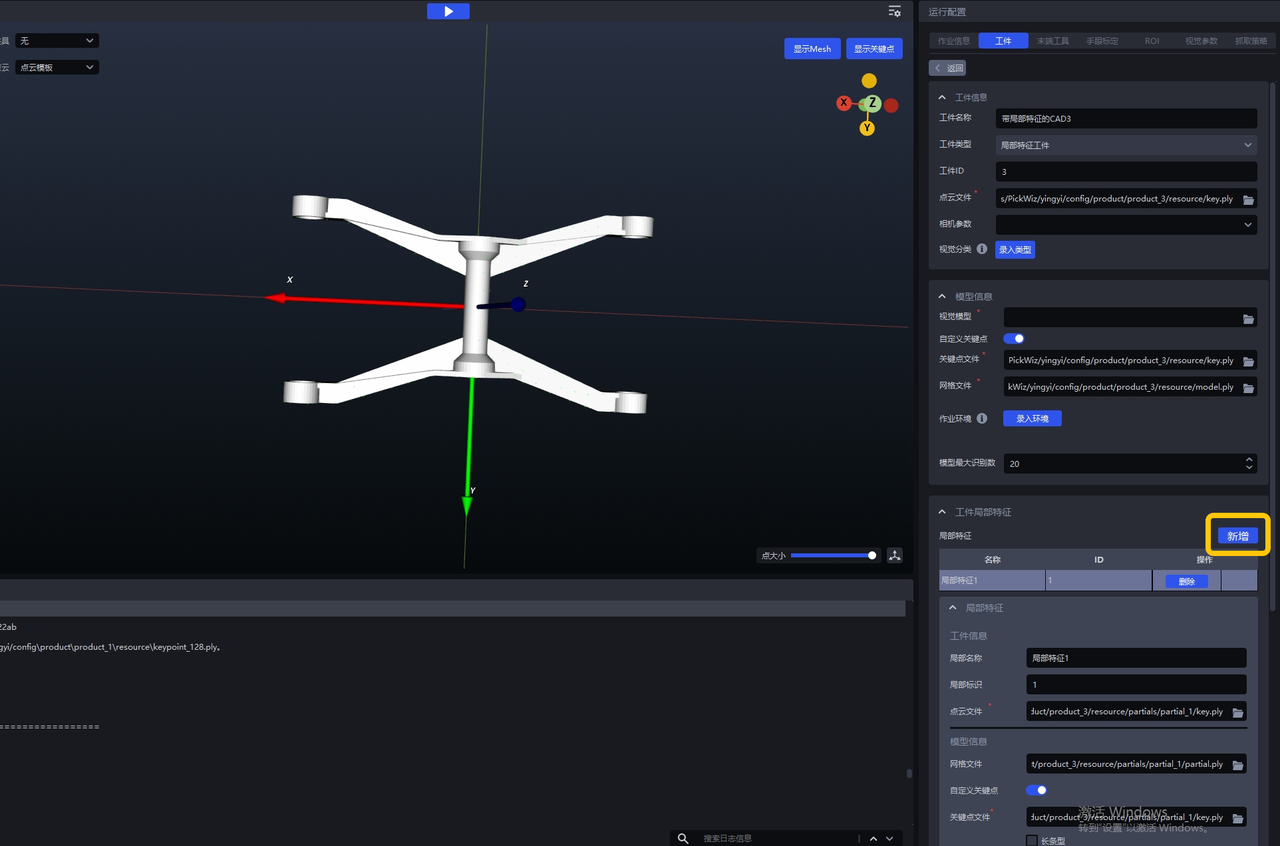
- In the Target interface, upload the Point Cloud, key points (optional), and grid files of the Target as a whole, as well as the Point Cloud, key points (optional), and grid files of the Target's local features.
If you need to identify multiple local features of the same Target, you can click "Add" to upload the Point Cloud, key points (optional), and grid files of multiple local features.
2. One-click training guide
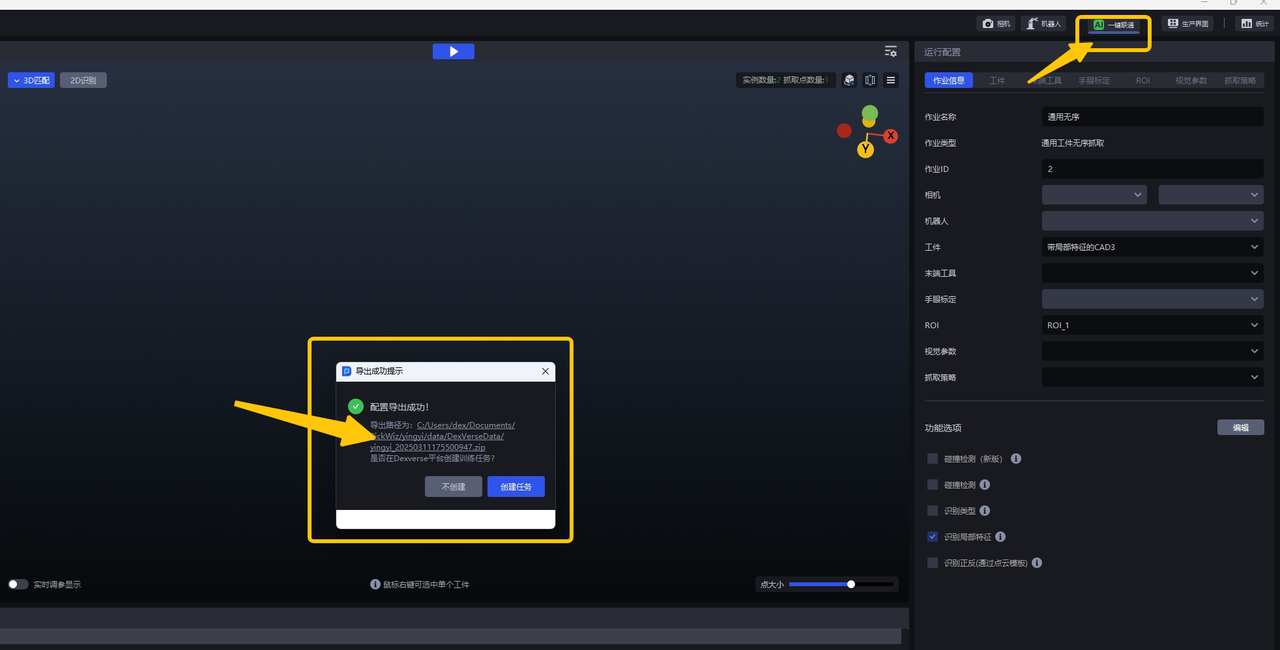
After configuring a Target with obvious local characteristics and setting the ROI on the Target interface, return to the main interface, select the corresponding Target and ROI in Task Information, and then click the One-click Connect panel, and the "Export Successful Tips" pop-up window will appear.
Click the export path to enter the training configuration folder and check whether the training configuration is correct.
After the check is completed, click "Create Task"
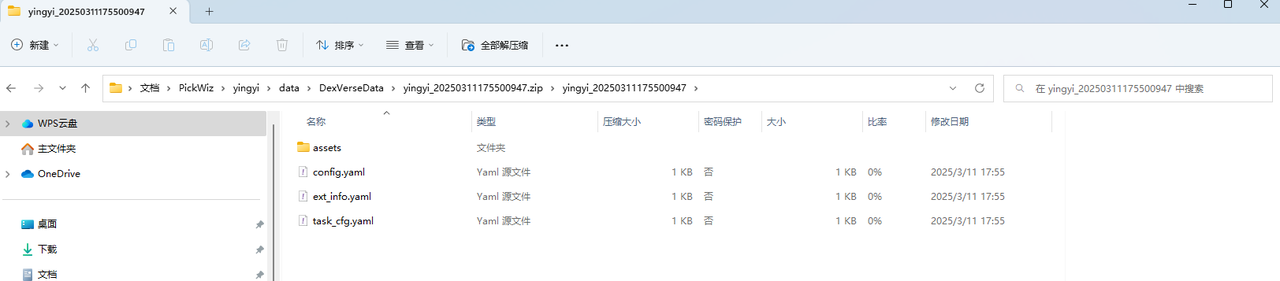
- You can view the task on the dexverse platform (Address: http://192.168.4.135:8081/tasklist),下载对应任务的 "data rendering" file, TB to see if there are multiple local features.
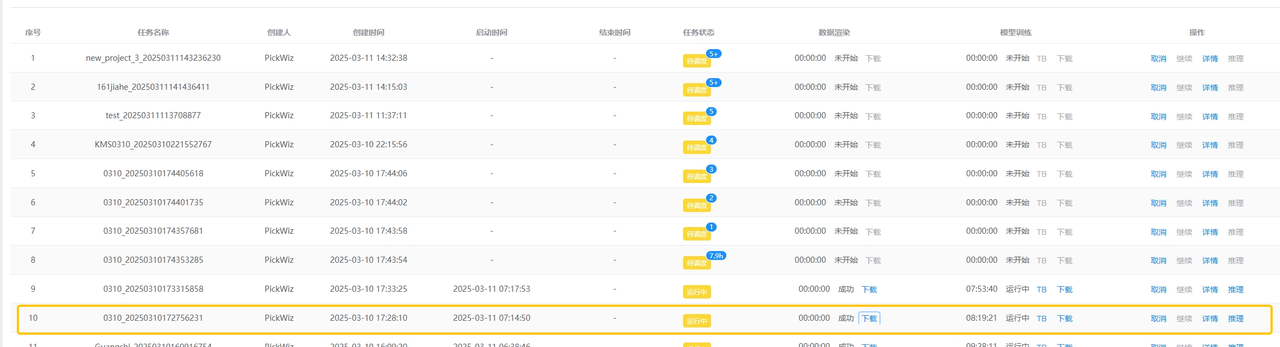
- After the model training is completed, download the model, upload the model on the Target interface of PickWiz, and then run it to verify the model effect.
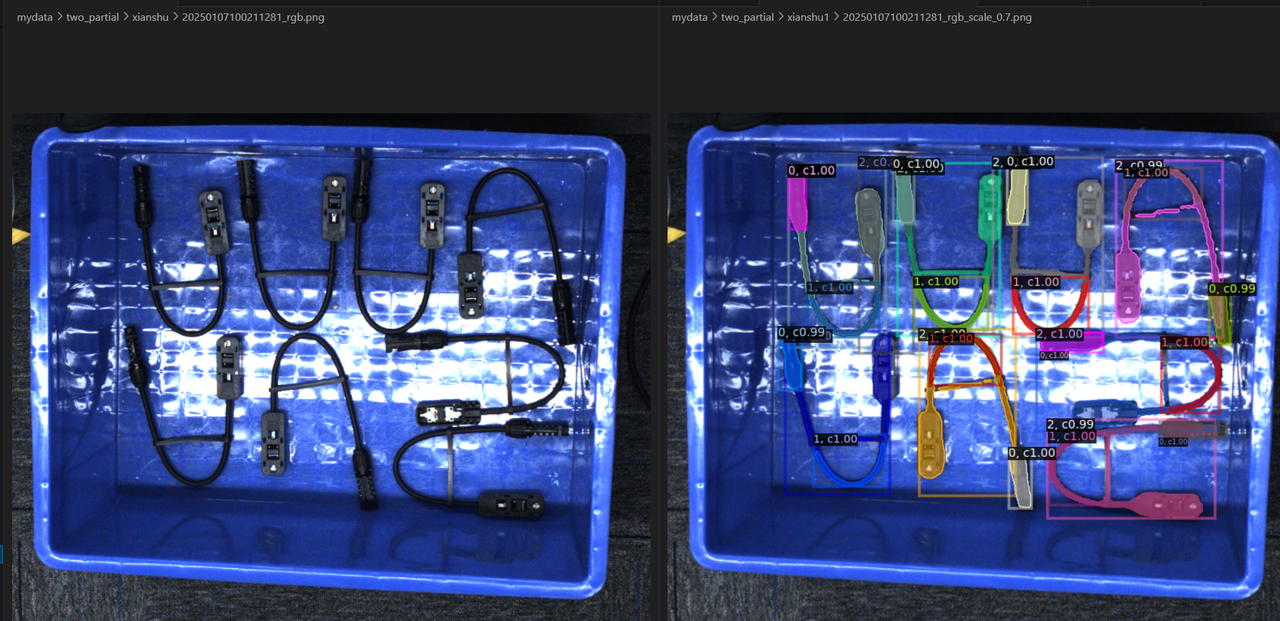
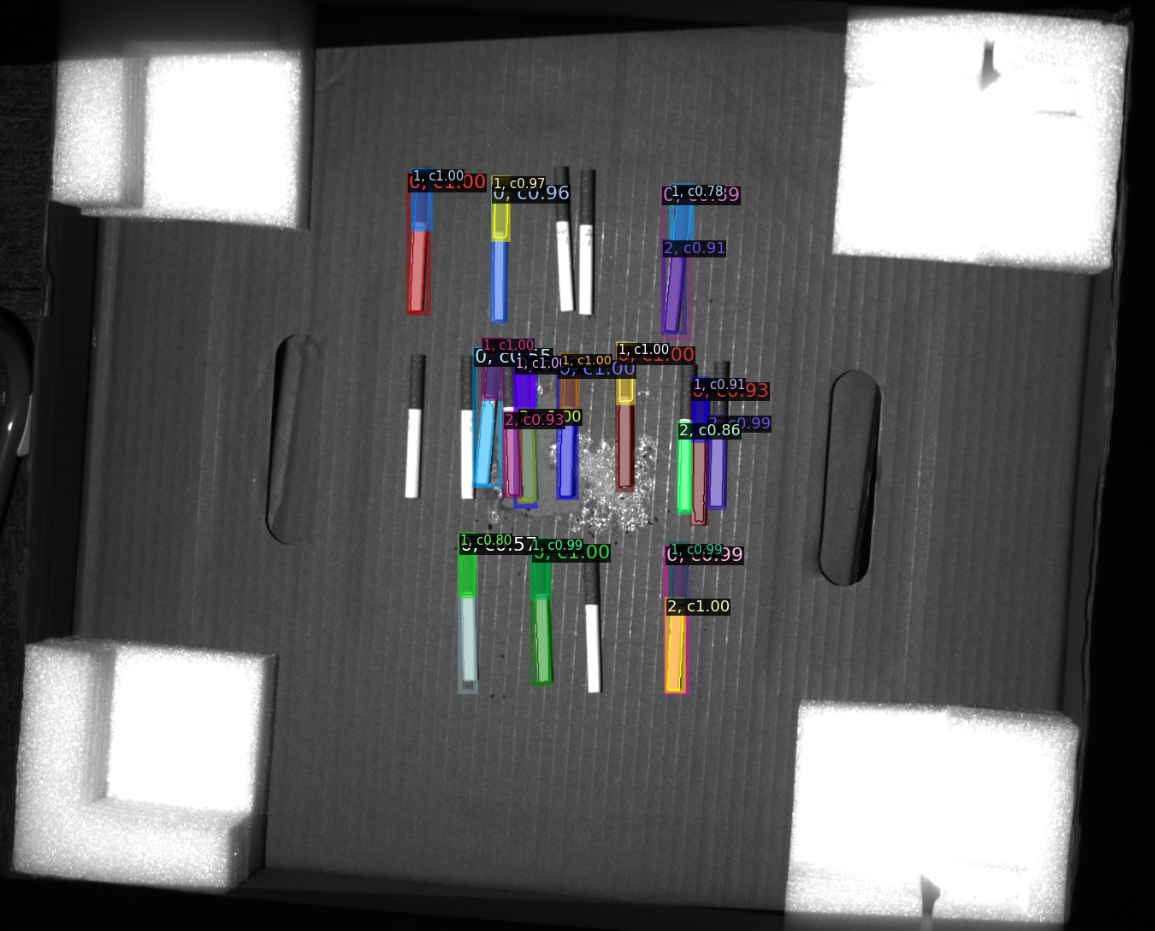
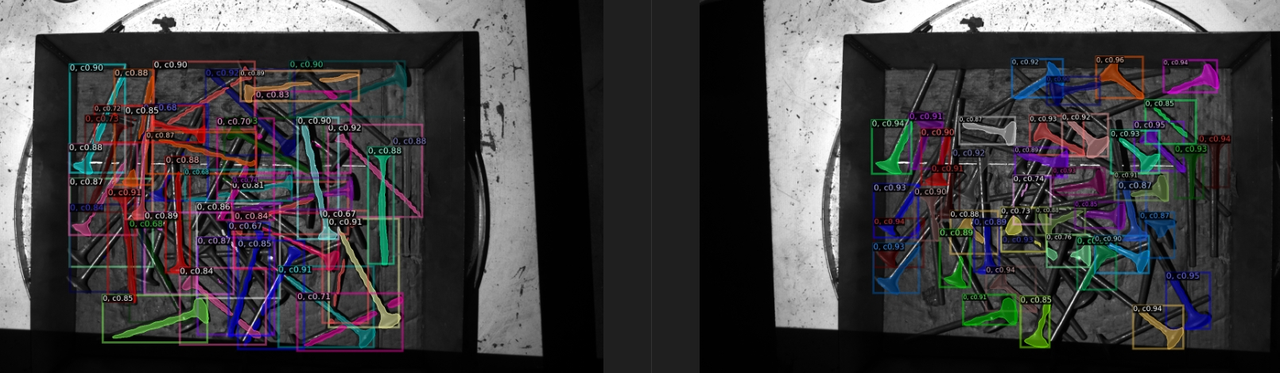
3. Example: Picking randomly arranged general type target objects/Loading and unloading of neatly arranged general type target objectsScene
Unordered Scene
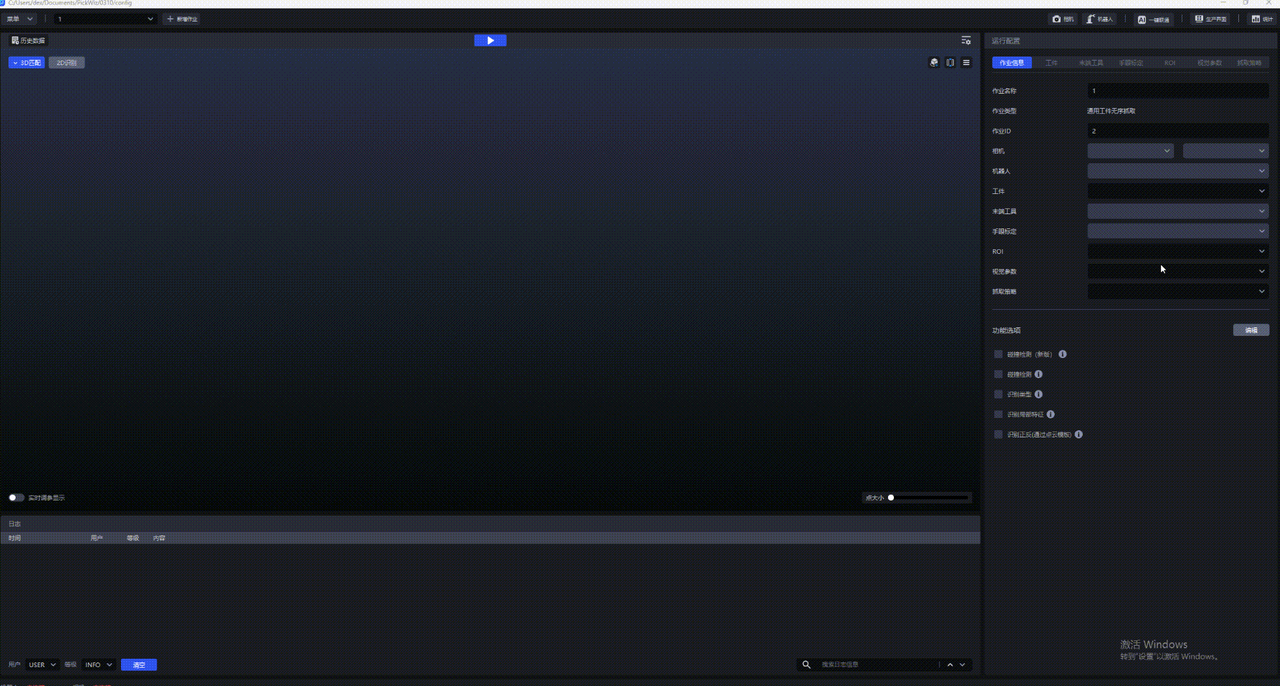
Orderly Scene
In an ordered scene, in addition to uploading the Point Cloud, key points (optional), and grid files of local features, you also need to enter the Pattern mask based on the placement of the Target in the actual Scene.