Elements, principles and cases of Point Cloud template production
mind map
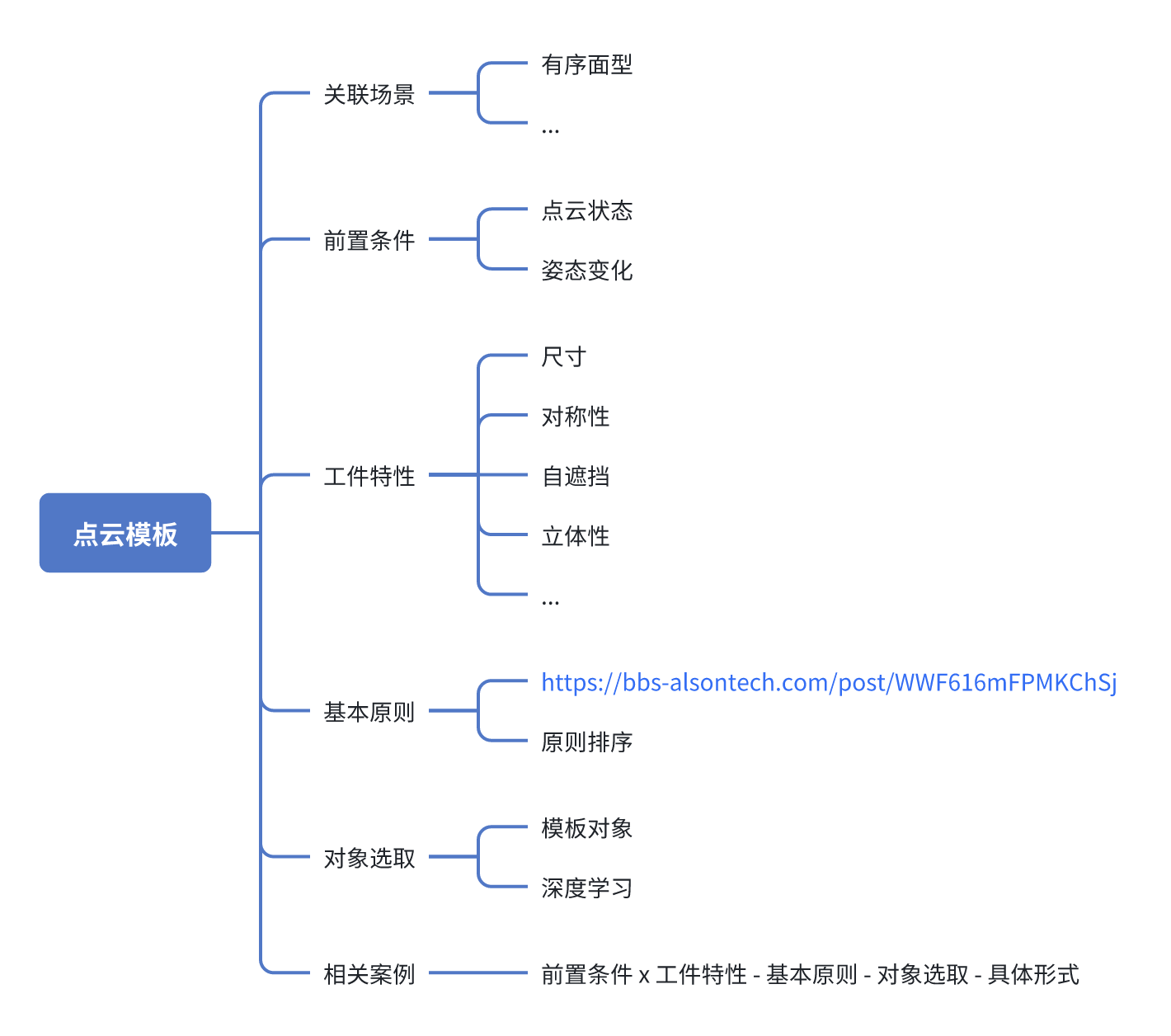
content
TargetPoint Cloud template creation instructions
1. Preconditions
| Precondition | define | Precautions |
|---|---|---|
| Target posture change | Limited postures (countable): only the fixed surface of the Target can be seen, and the effective Point Cloud area is the area where this surface is stably visible. Any posture: Target may appear at any angle. The effective Point Cloud area is the area that can stabilize imaging in more than 80% of postures (excluding deep holes, overexposed areas, grooves and other parts where Point Cloud is easily missing). | Ordered Scene: Disordered Scene: The stable visible area needs to be determined through multi-view scanning or CAD simulation. Exclude areas that are easily missing (such as reflective surfaces, deep concave structures) and avoid relying on unreliable Point Cloud. Confirmation method : |
| Camera imaging Point Cloud effect | The quality and integrity of the Point Cloud data obtained after identifying the target through 3DCamera (such as structured light, binocular vision, etc.). | Point Cloud is missing Ambient light interference (strong light exposure causes sensor saturation). Perspective occlusion (Target self-occlusion or external object occlusion). Optimization strategy : Partial template: Use Point Cloud with better visual effect as a template. Point Cloud depth is discontinuous and noisy Common reasons: Camera exceeds the parallax range (the measurement distance is too close/far resulting in Point Cloud distortion). Object stacking and occlusion (such as stacking Targets causing Point Cloud mixing). Optimization strategy : Depth calibration: Ensure that the Camera collects data within the optimal working distance. Hierarchical analysis: Extract Point Cloud from laminated Target regions to avoid mismatching. |
2. Target characteristics
| Attribute (The higher the priority, the higher the priority) | definition | Notes |
|---|---|---|
| size | The physical size (volume, area) ofTarget affects the Point Cloud collection density and template calculation complexity. |
|
| Self-shielding | The visualization result area displays 3D vision running results in real time and provides functions such as run, vision computing configuration, and historical data. |
|
| Stereometry | The degree of depth change ofTarget in three-dimensional space (such as height difference, step structure, surface relief, etc.). |
|
| Symmetrical type | Target has a symmetrical structure (such as left-right symmetry, rotational symmetry). |
|
| concave shape | There are concave structures (such as inner holes and grooves) on the surface ofTarget, which may result in missing Point Cloud or unstable imaging. |
|
| convex hull | There are concave structures (such as inner holes and grooves) on the surface ofTarget, which may result in missing Point Cloud or unstable imaging. |
|
| Flat type | The surface ofTarget is approximately flat and lacks significant internal features. |
|
| dynamic update | / |
|
3. Basic Principles
| When using modeling for matching in industrial Robot 3D vision, the following principles need to be followed when selecting features | |
|---|---|
| Features | Description |
| Significance | selects those features that are prominent and easy to identify on the surface of the object, such as edges, corners, textures, concave and convex surfaces, etc. These features should be highly identifiable and easy to detect and match quickly in the scene. |
| Stability | features should have certain stability to changes in lighting, viewing angle, etc. Even if the object undergoes rotation, scaling and other deformations, these features can remain relatively unchanged |
| Uniqueness | features should be unique enough not to be easily confused with other objects or features in the environment. This is helpful to improve the accuracy and reliability of matching. |
| Intensity | distributes feature points as densely as possible on the surface of the object to increase the redundancy of matching. In this way, even if some feature points are occluded or lost, the matching can still be completed by relying on other feature points. |
| Repeatability | selects features that can be stably detected under different viewing angles and lighting conditions. This ensures that features can be accurately recognized in various Scenes. |
| Computational efficiency | The extraction and description process offeatures should be as efficient as possible to meet the needs of industrial robots for real-time response. Some features can be selected that require relatively little computational effort. |
4. Precautions for Targeted Scene
Under the background of different industrial scenes and different technical paths, the general precautions for Point Cloud template production are as follows:
| Scene | Scene diagram | Point Cloud diagram
| Template
| Point Cloud template pays attention to the real preconditions x Target characteristics - basic principles - object selection - specific form | Precautions and solutions |
|---|---|---|---|---|---|
| Universal ordered | 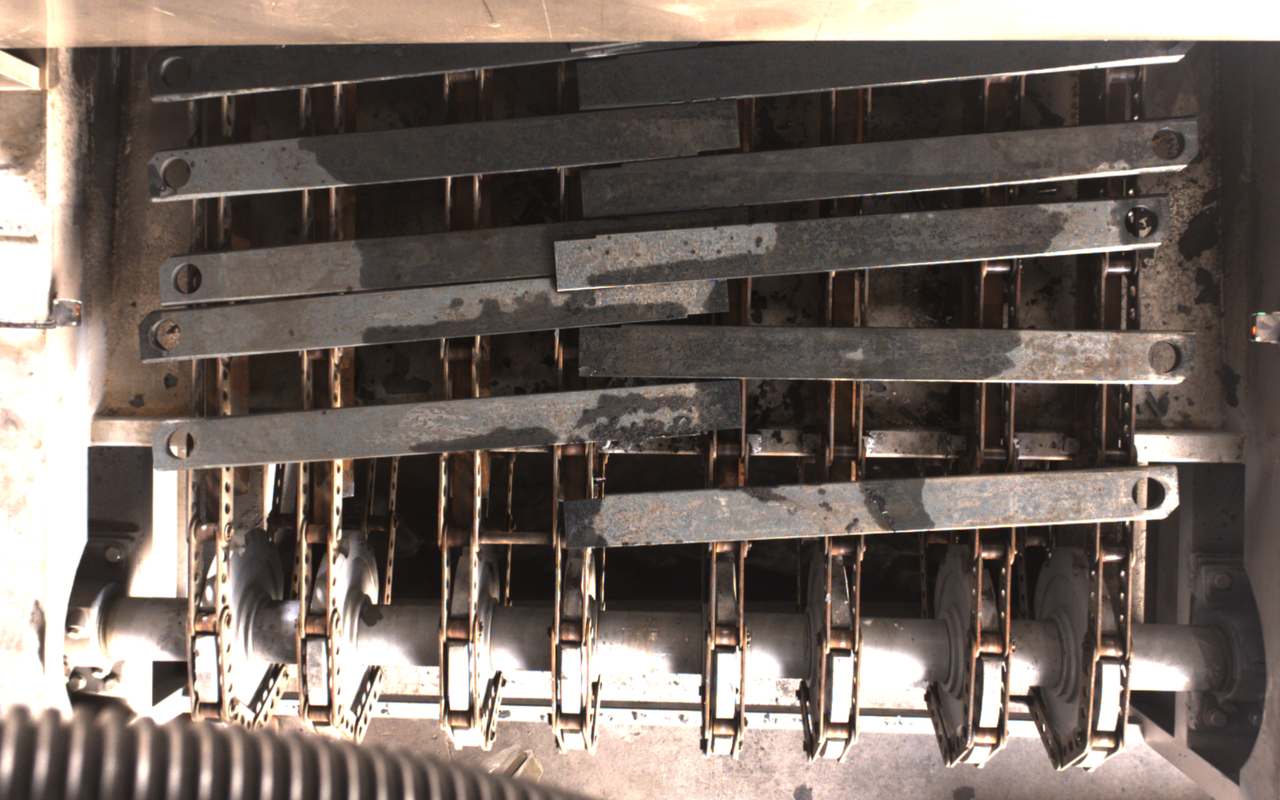 | 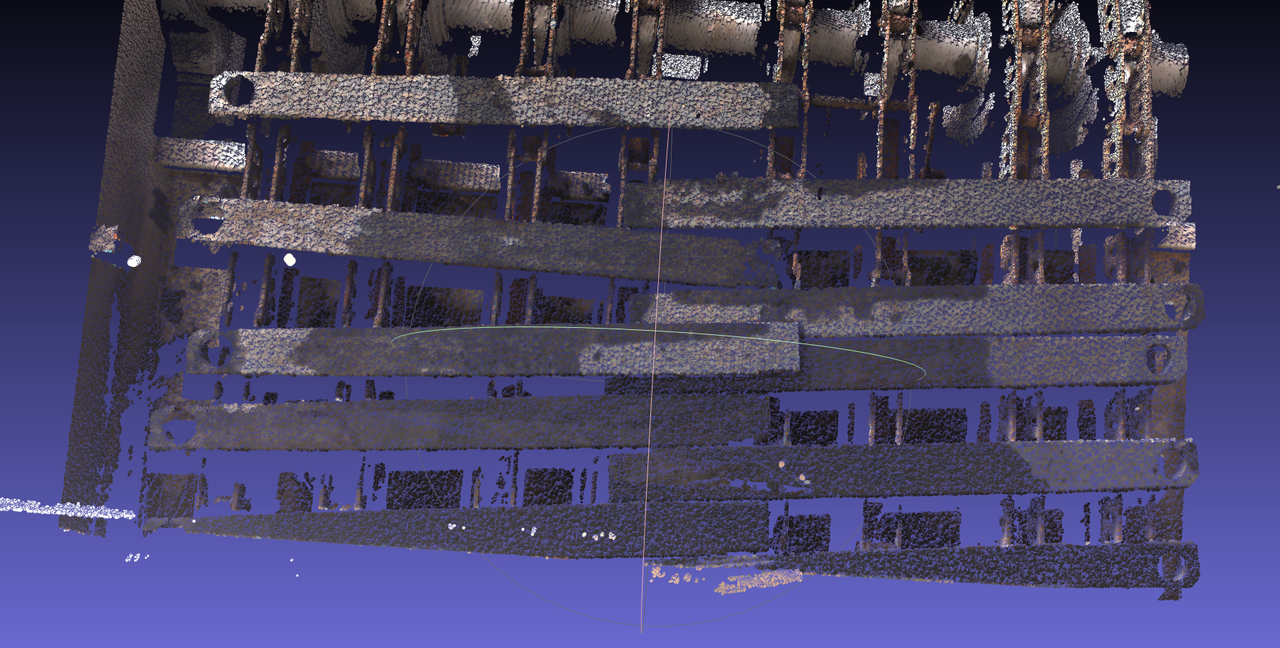 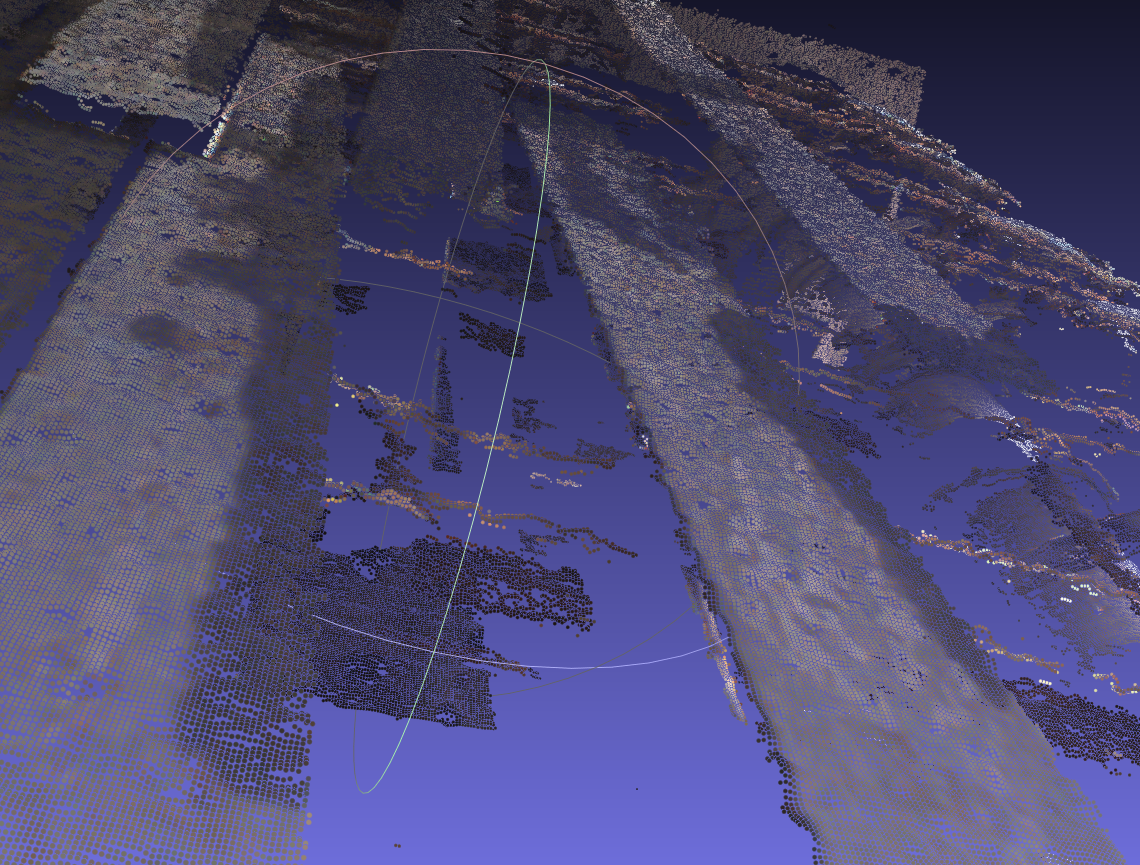 | 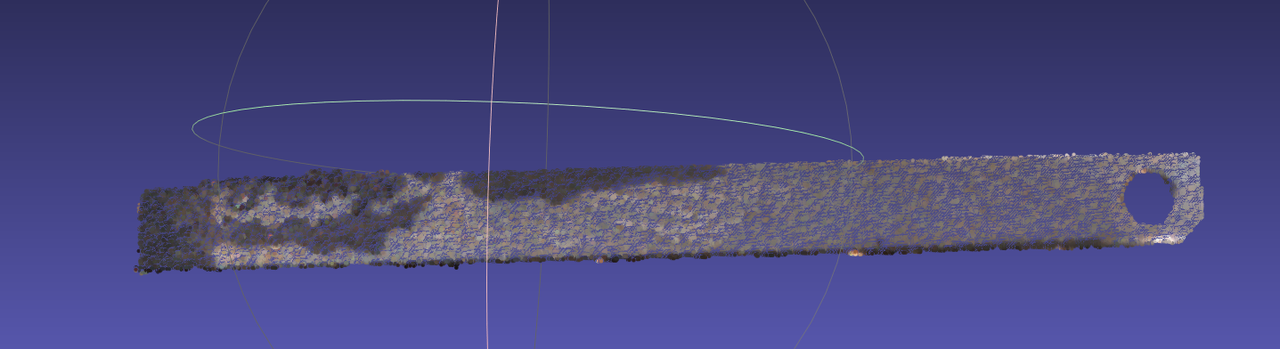 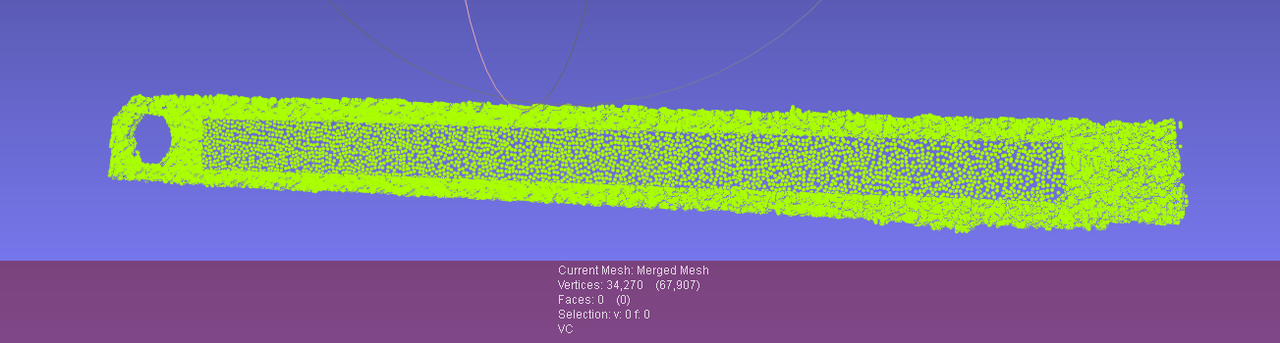 | Prerequisites: Target characteristics: Large strips (possible deformation), flat Target Basic principles: | Prerequisite: Target characteristics: |
| Universal disorder | 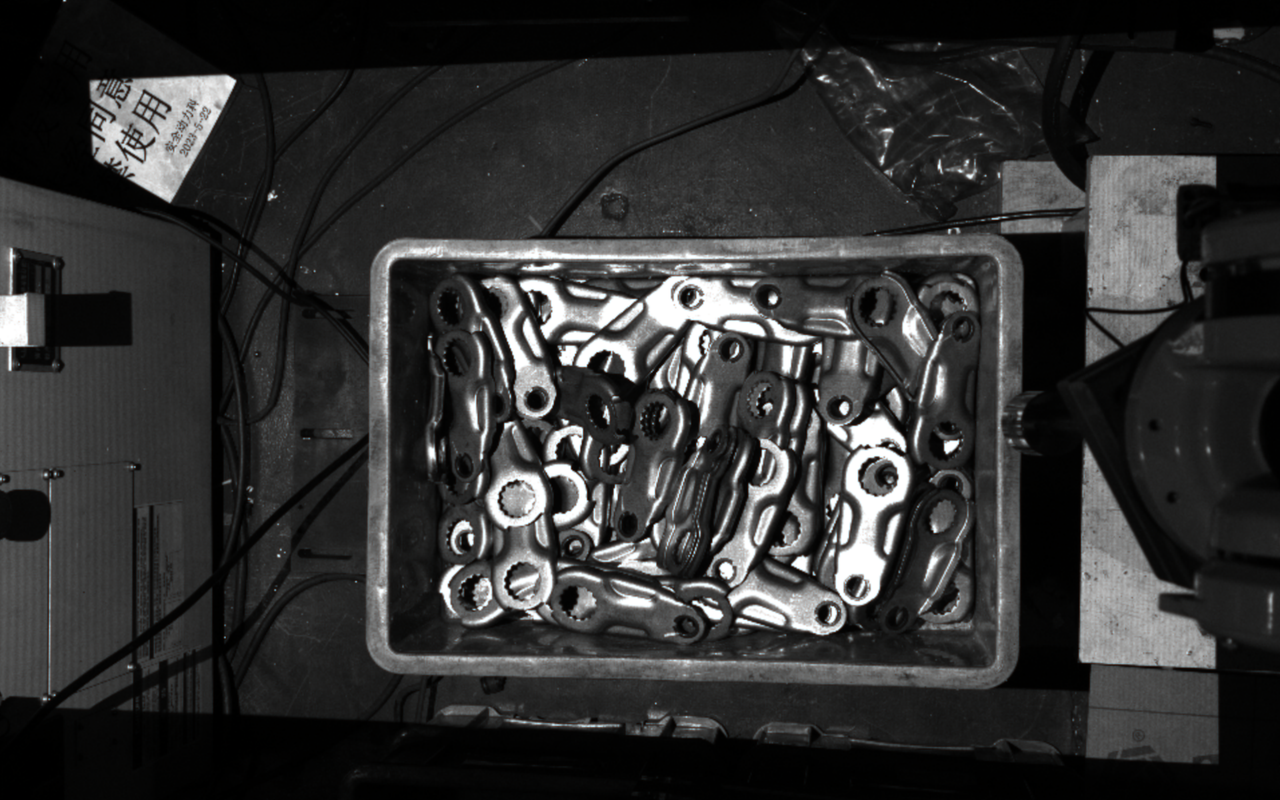  | 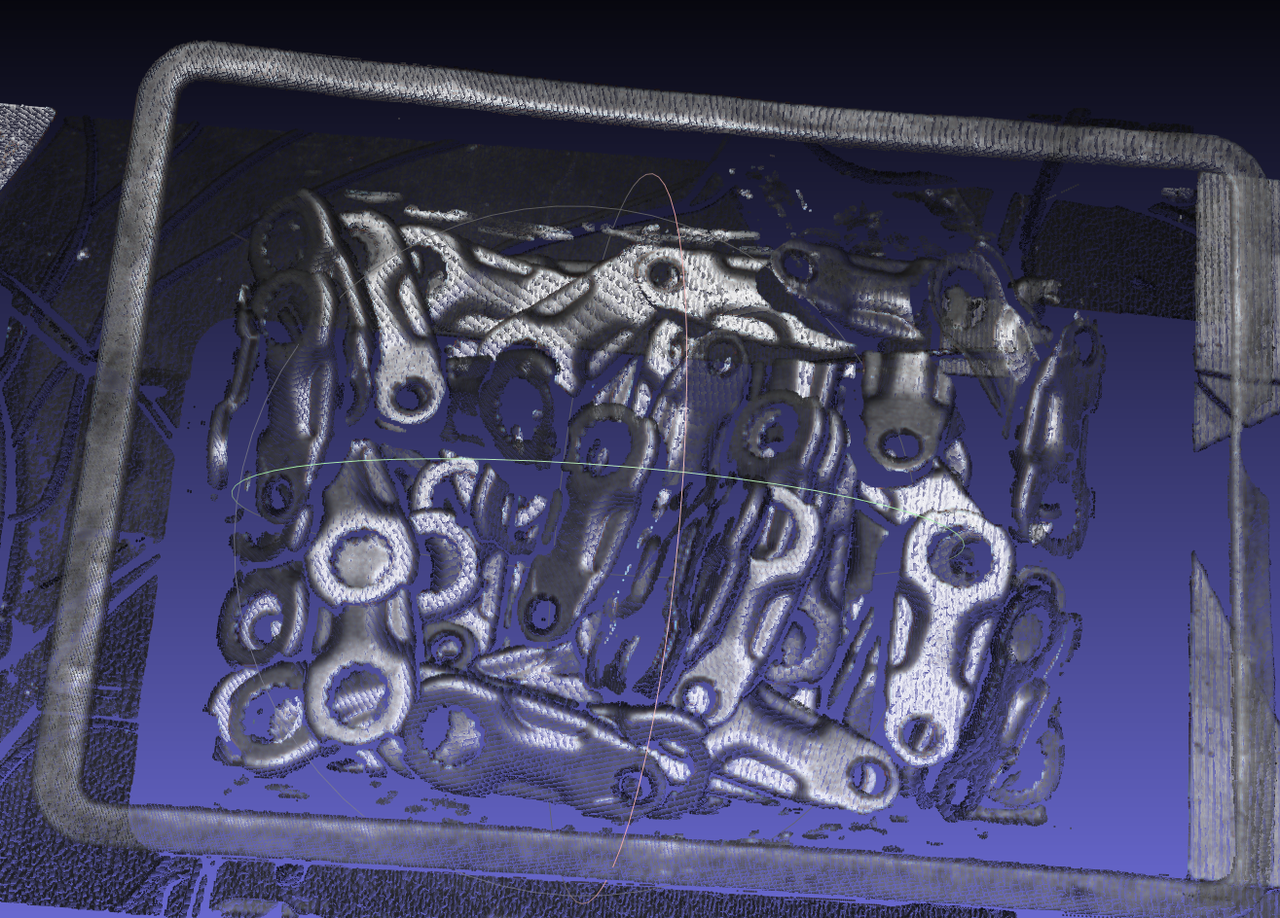 | Straight image 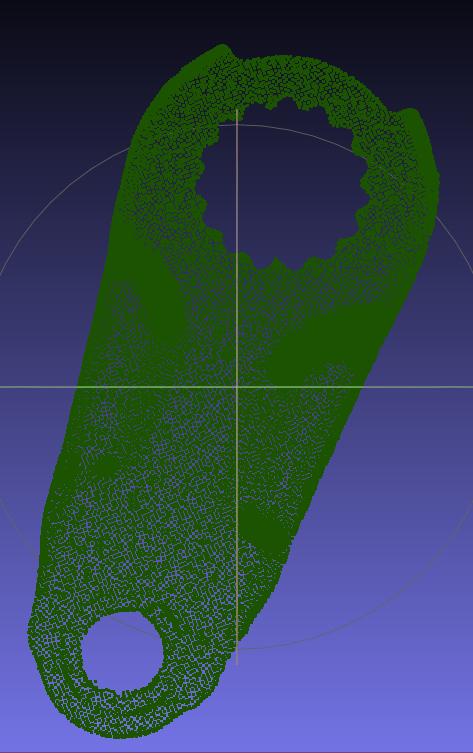 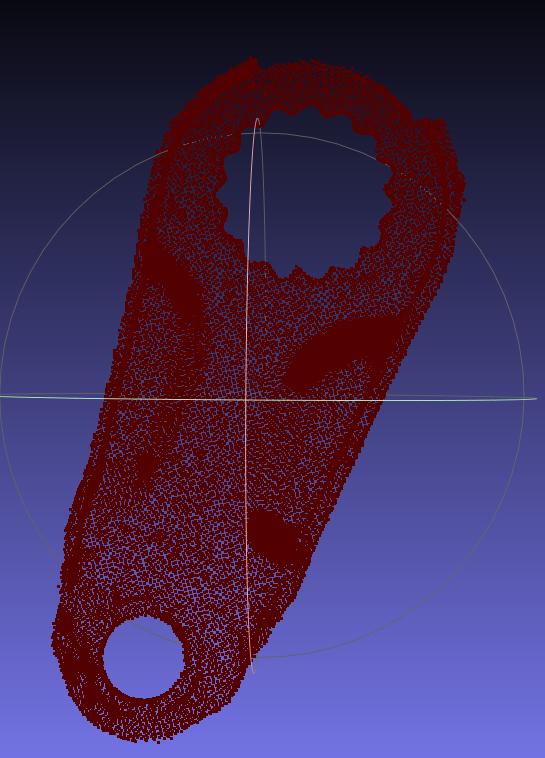 | Prerequisites: Target characteristics: self-occlusion, concave shape (with round hole) Basic principles: | Prerequisite: Target characteristics: |
| surface shape is ordered | 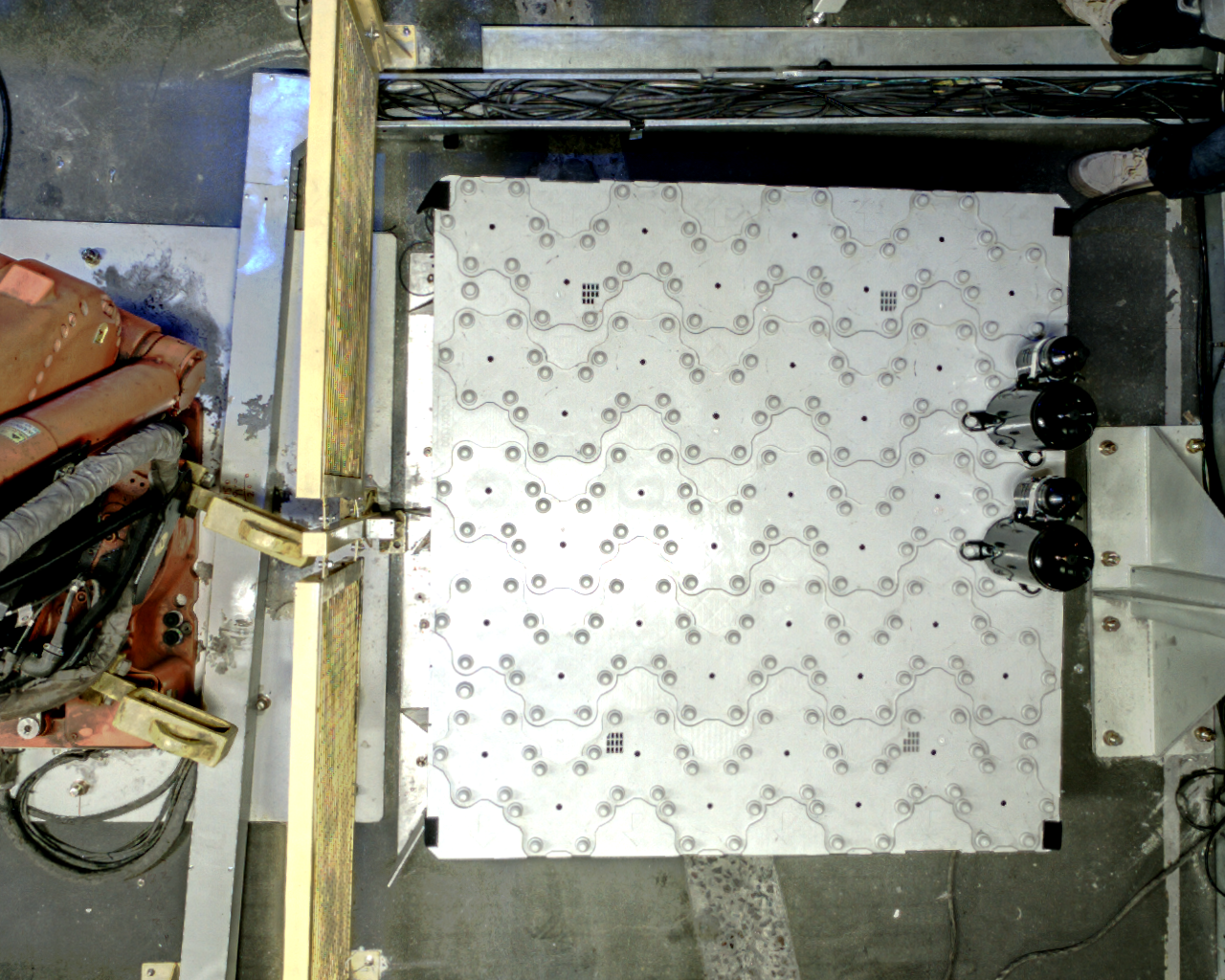  | 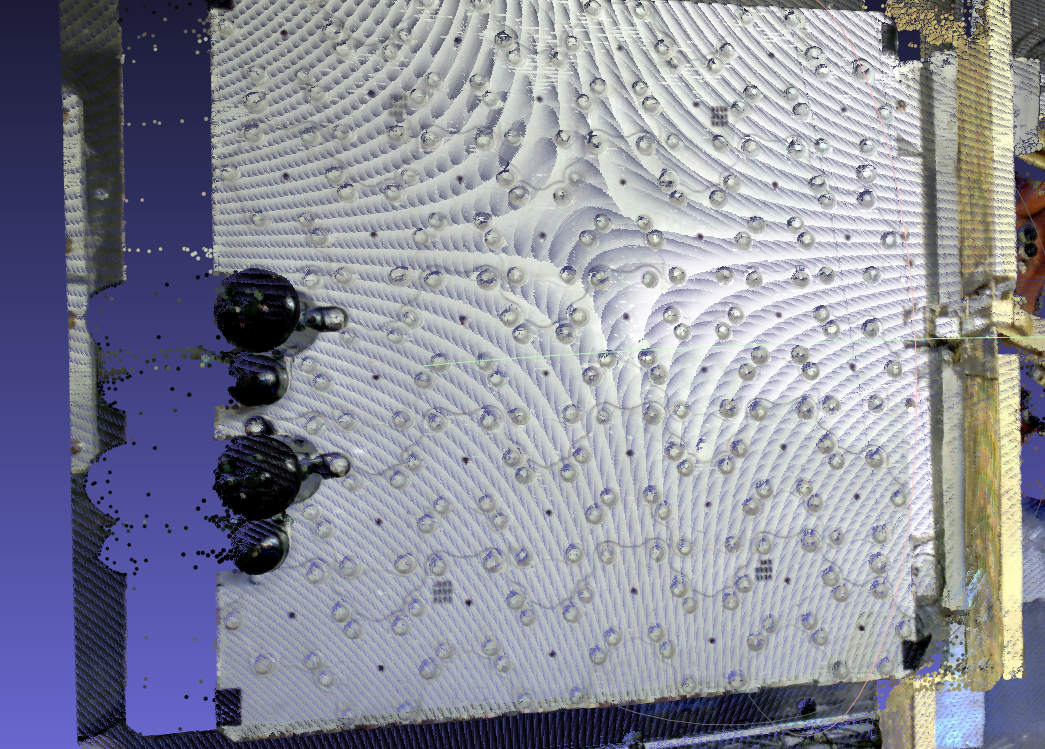 | 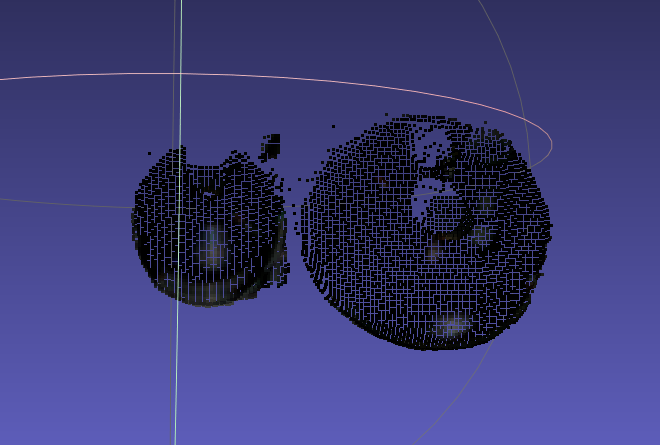 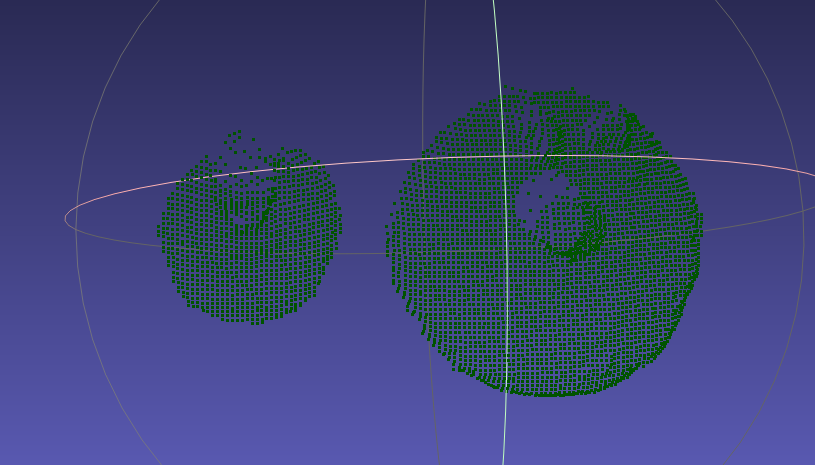 | Prerequisites: Target characteristics: three-dimensionality (with height differences, undulating surfaces) Basic principles: | Prerequisite: Target characteristics: |
| surface shape is ordered | 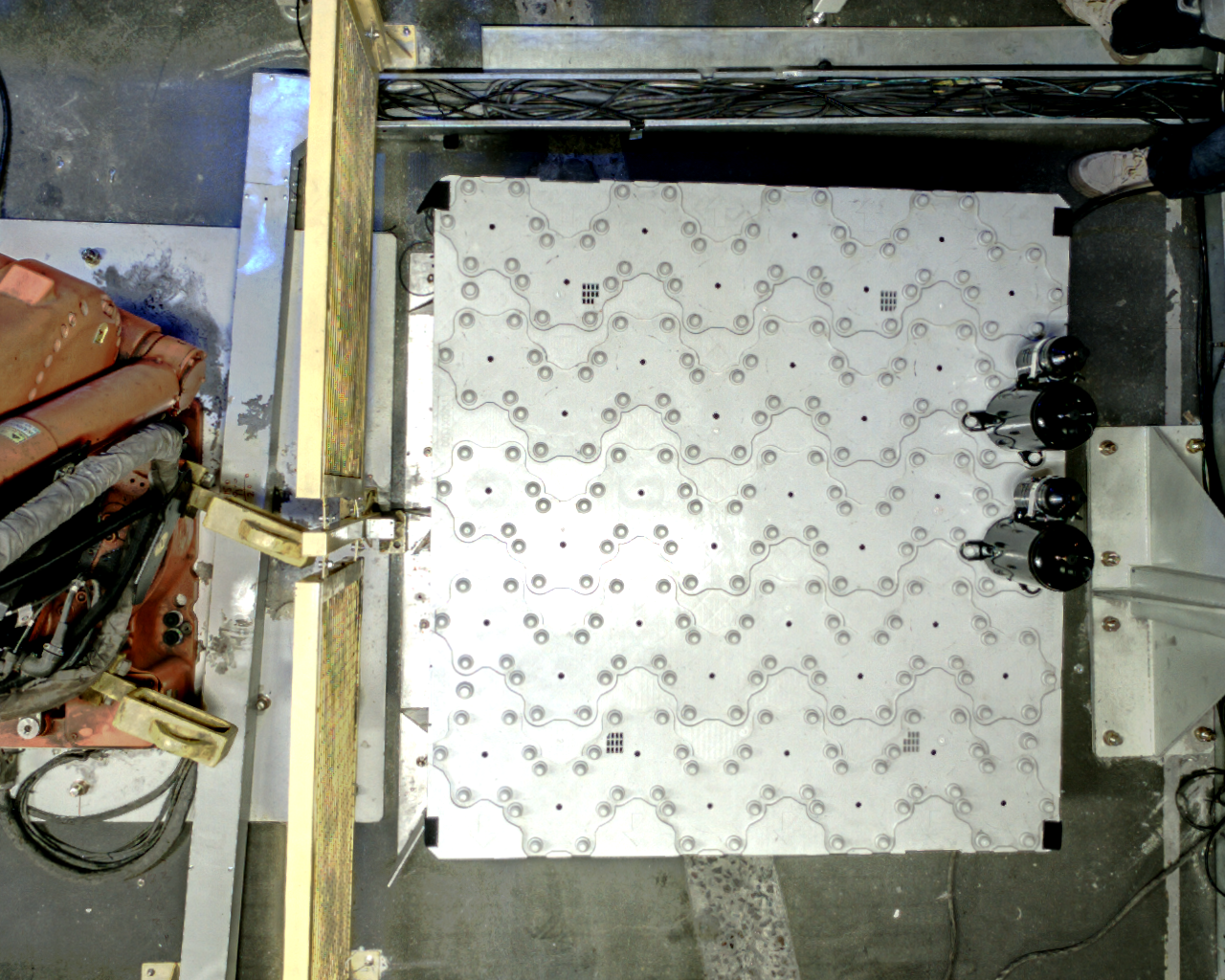  Process error causes the spatial position of the small tank to fluctuate up and down Process error causes the spatial position of the small tank to fluctuate up and down | 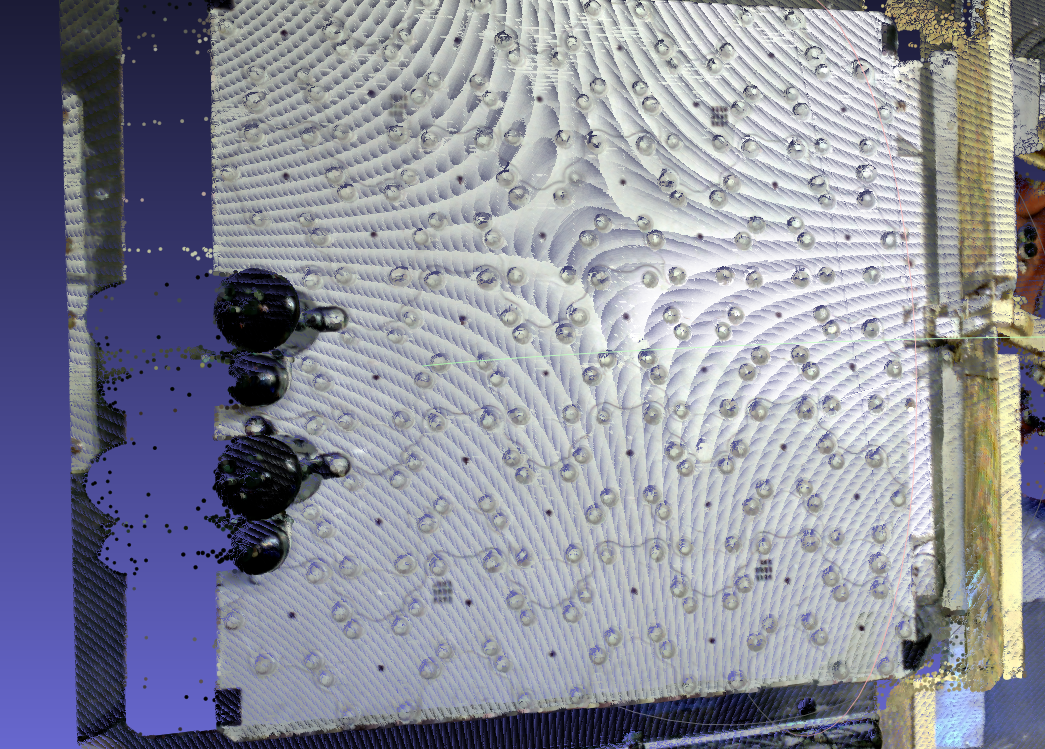 | 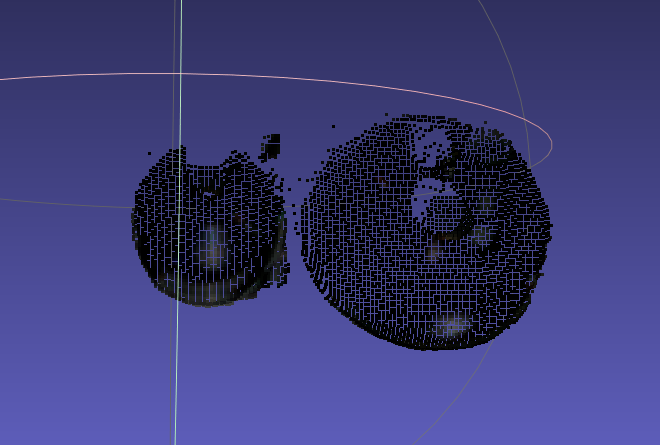 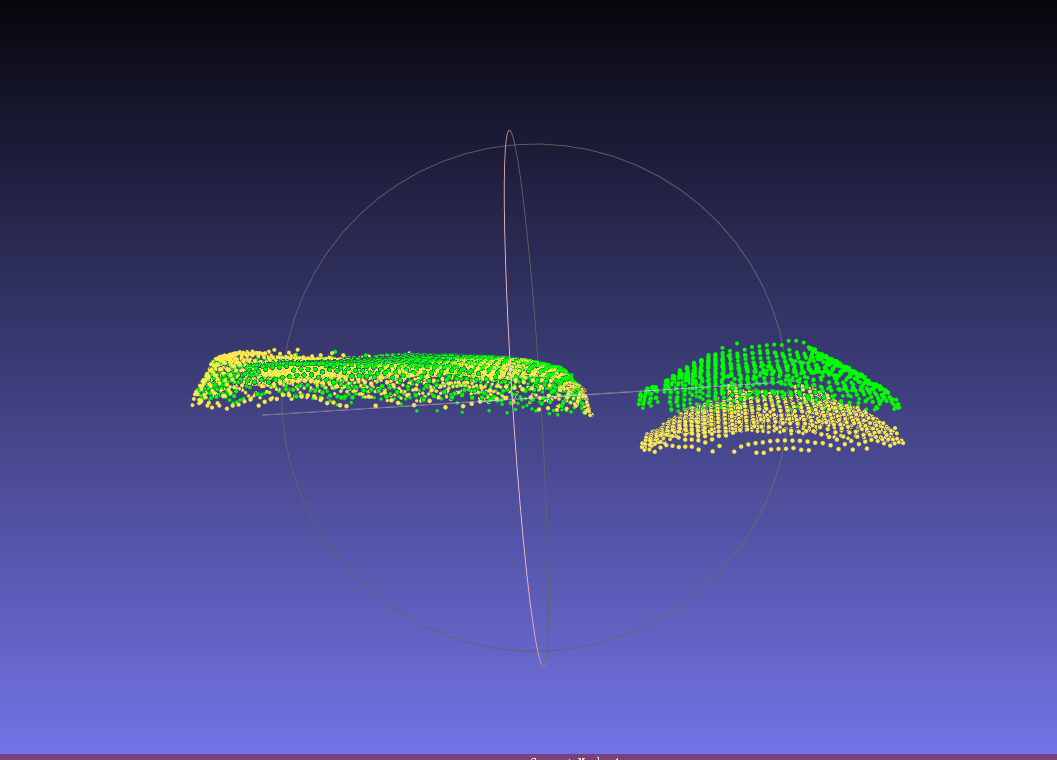 | Prerequisites: Target characteristics: three-dimensionality (with height differences, undulating surfaces) Basic principles: | Prerequisite: Target characteristics: |
| surface disorder | 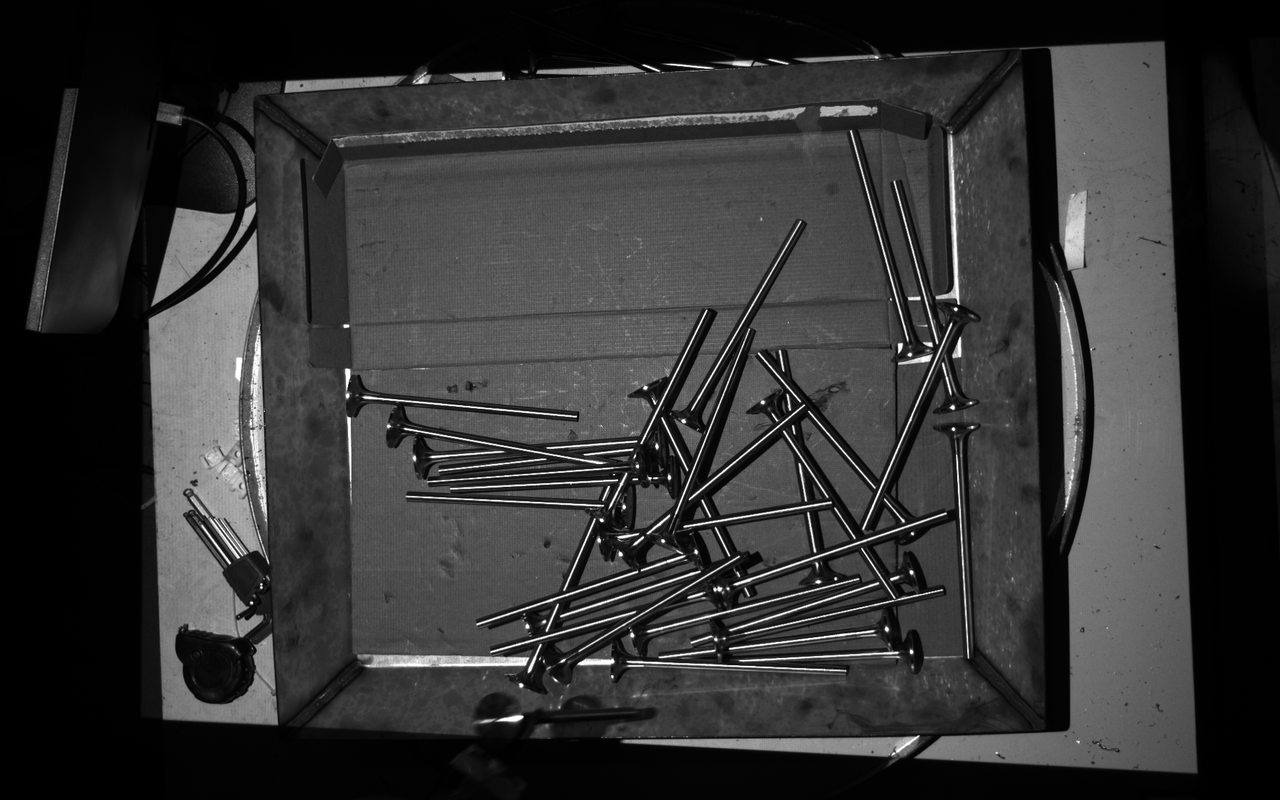 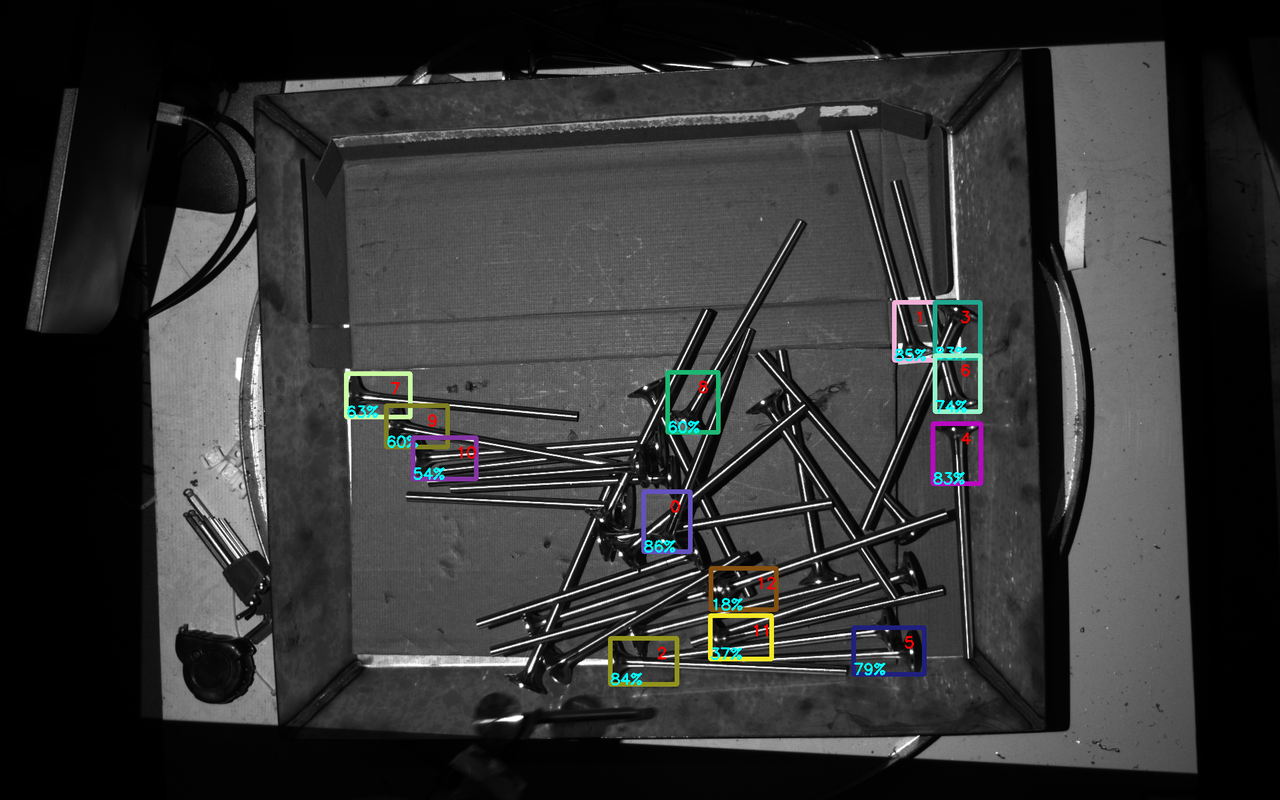 | 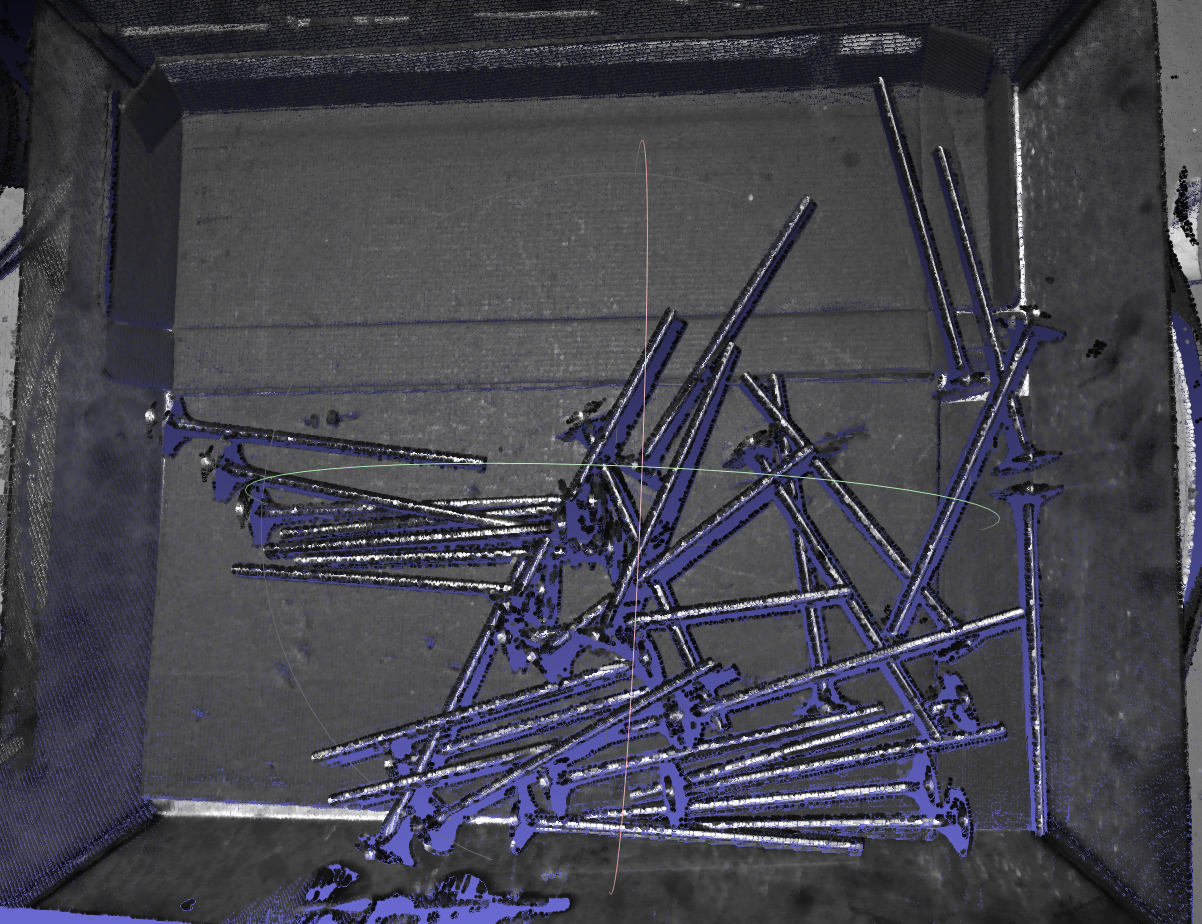 | 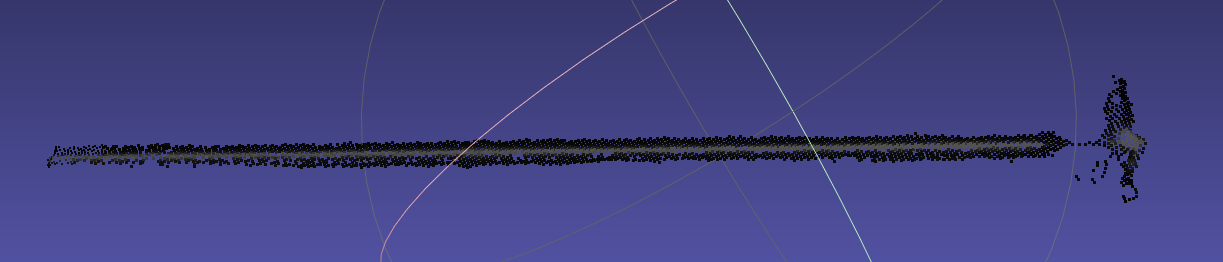 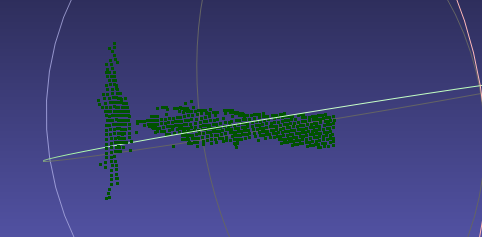 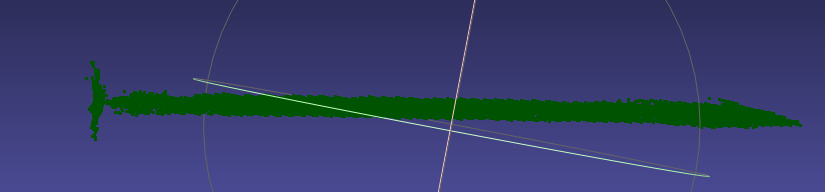 | Prerequisites: Target characteristics: Symmetry (rotational symmetry), self-occlusion Basic principles: | Prerequisite: Target characteristics: |
| Universal disorder | 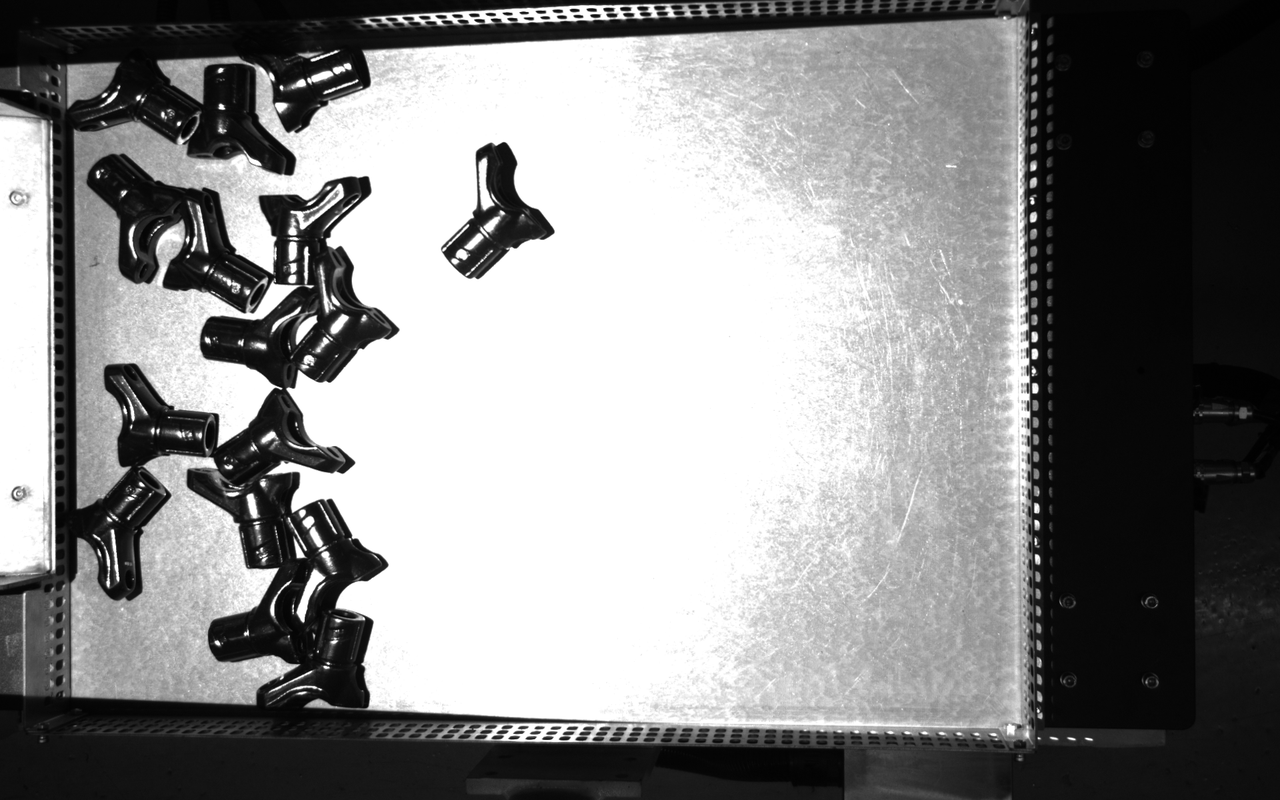 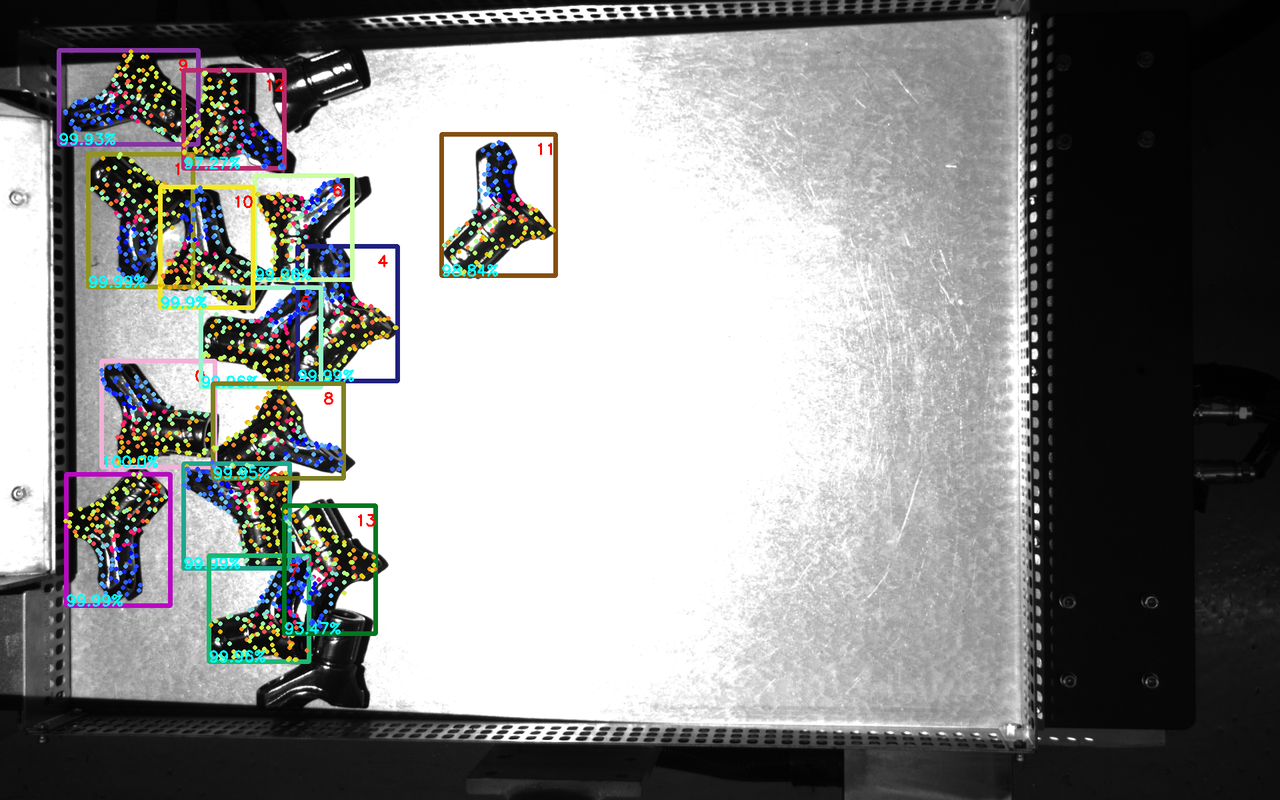 | 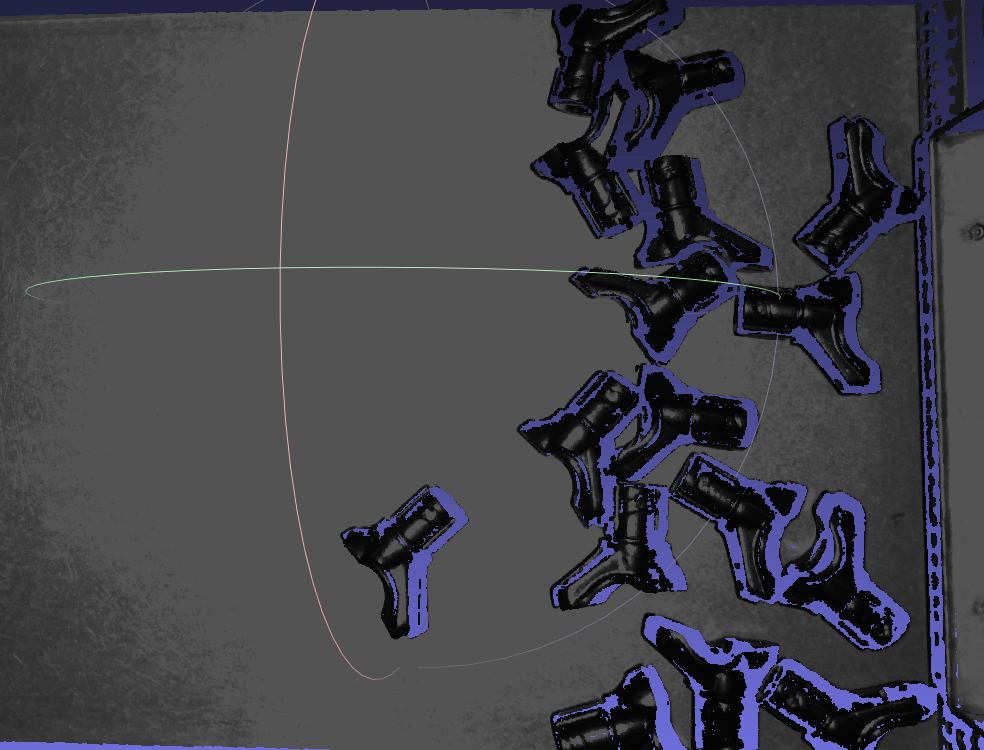 | 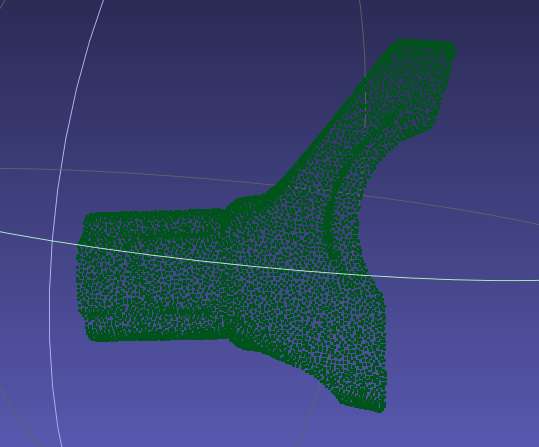 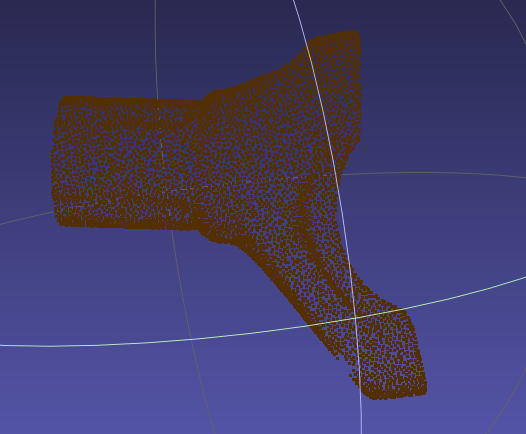 | Prerequisites: According to the Scene placement and Target characteristics, front and back templates should be used to create the front Point Cloud and the back Point Cloud of the Target respectively. The key points are the overall key points of the Target. Target characteristics: Target convex hull type: convex surfaces can easily lead to reflections and the Point Cloud imaging quality is unstable. Basic principles: | Prerequisites: Use pickwiz software to generate front and back point cloud templates (current perspective), and generate key points of the entire workpiece Target characteristics: Use ScenePoint Cloud dual templates, and the templates must fit the front and back sides of the CAD |
| surface positioning assembly (matching only) | 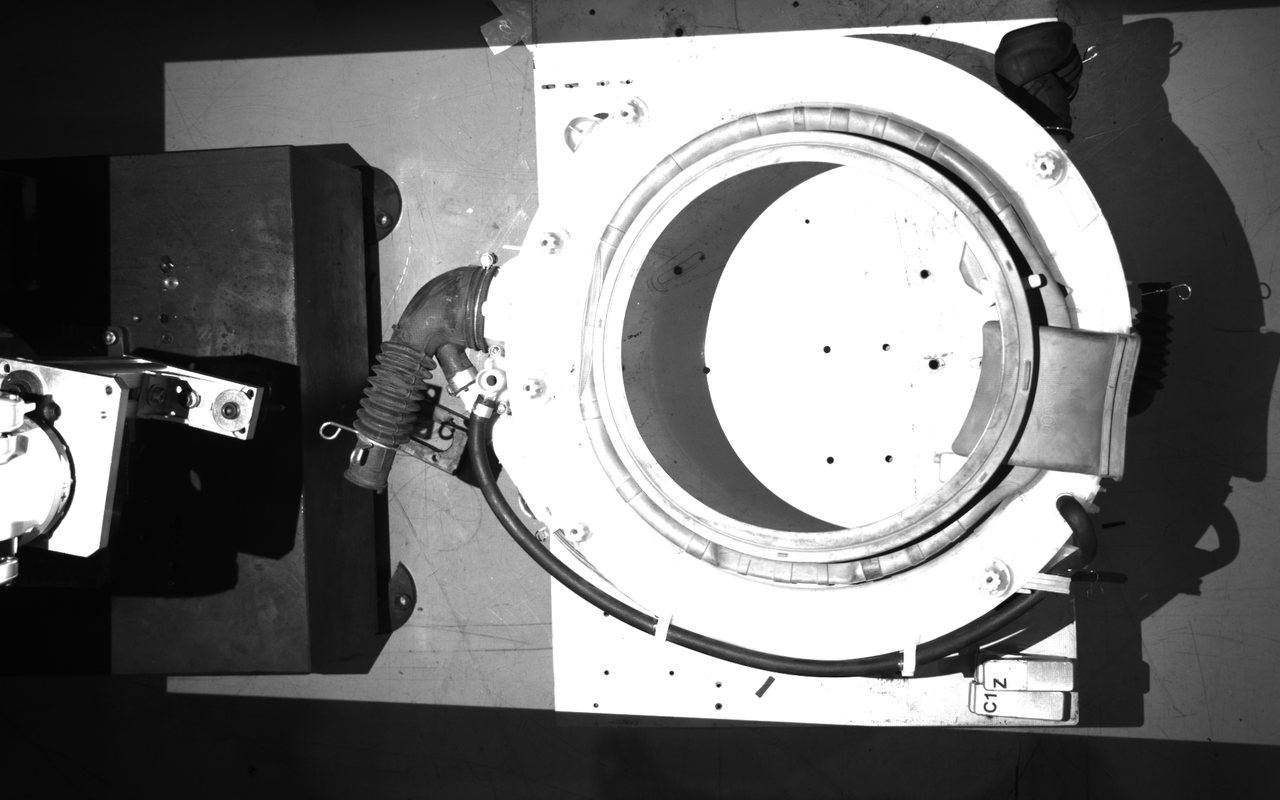 | 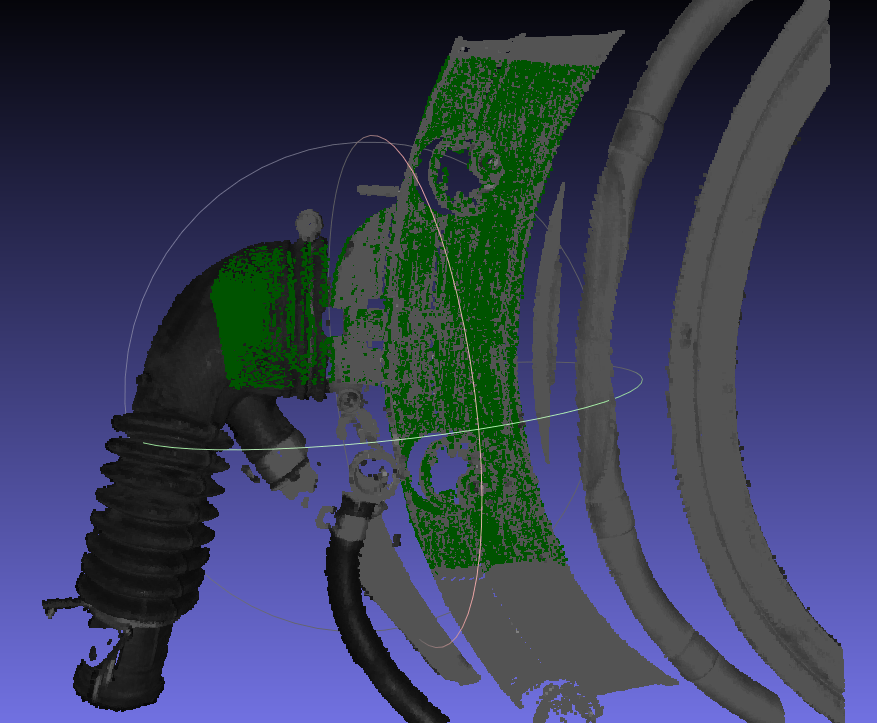 | 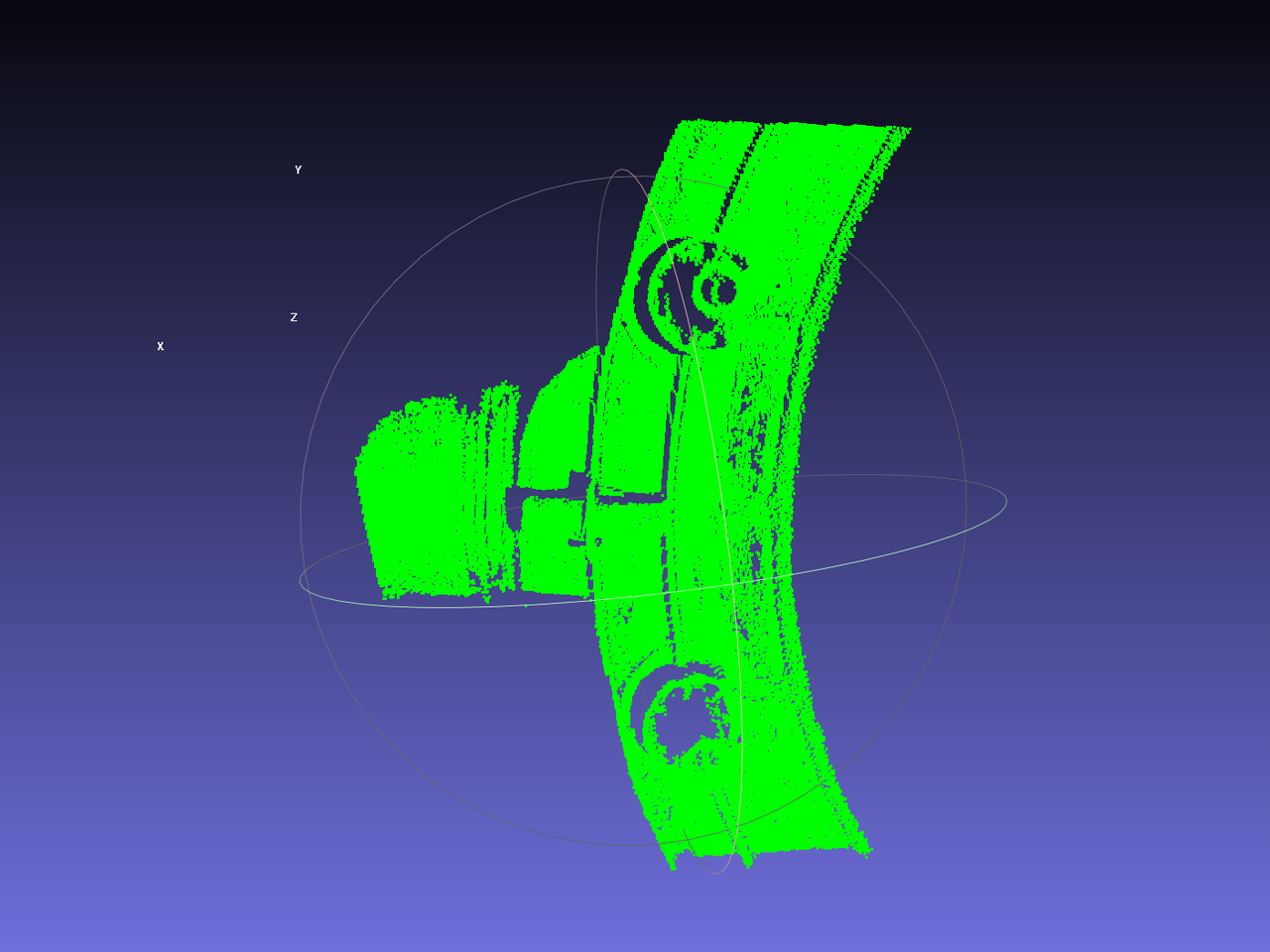 | Prerequisites: Target Features: Basic Principles: | Prerequisite: Target characteristics: |
| Universal positioning assembly | 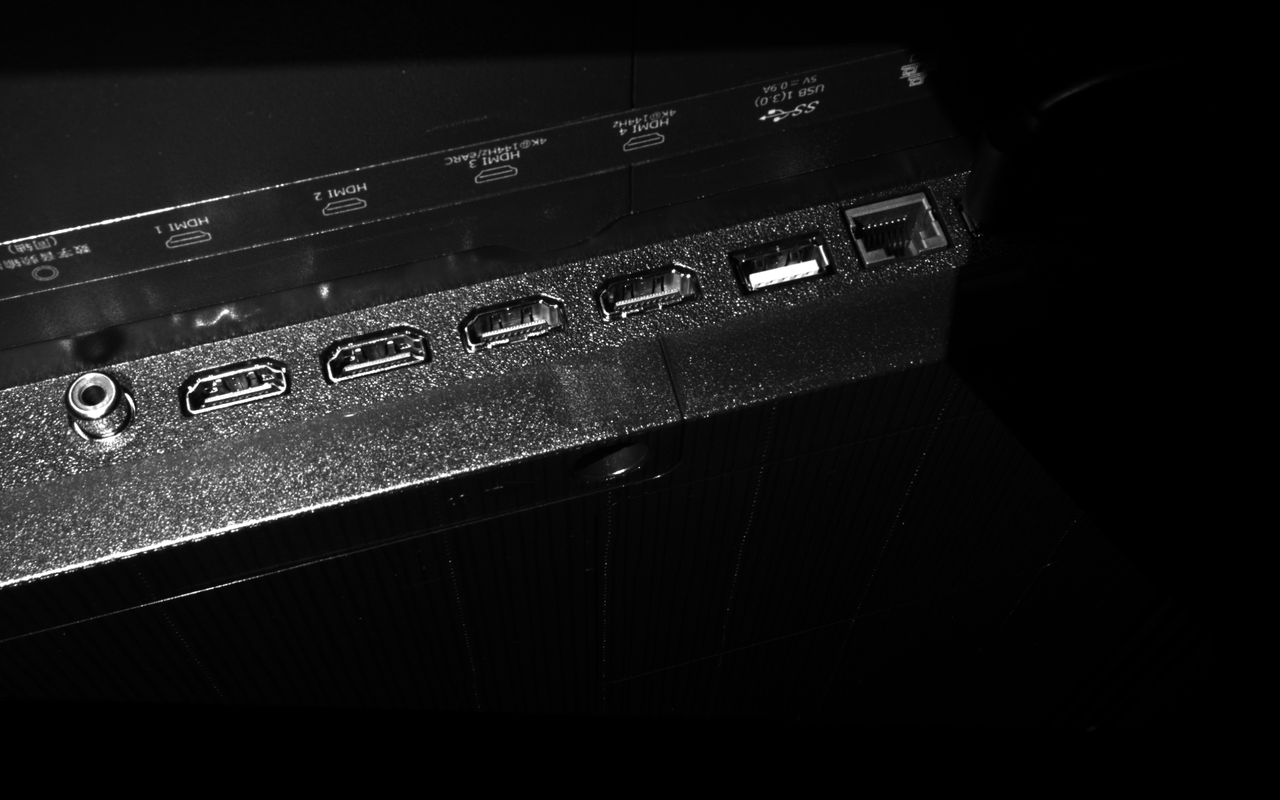 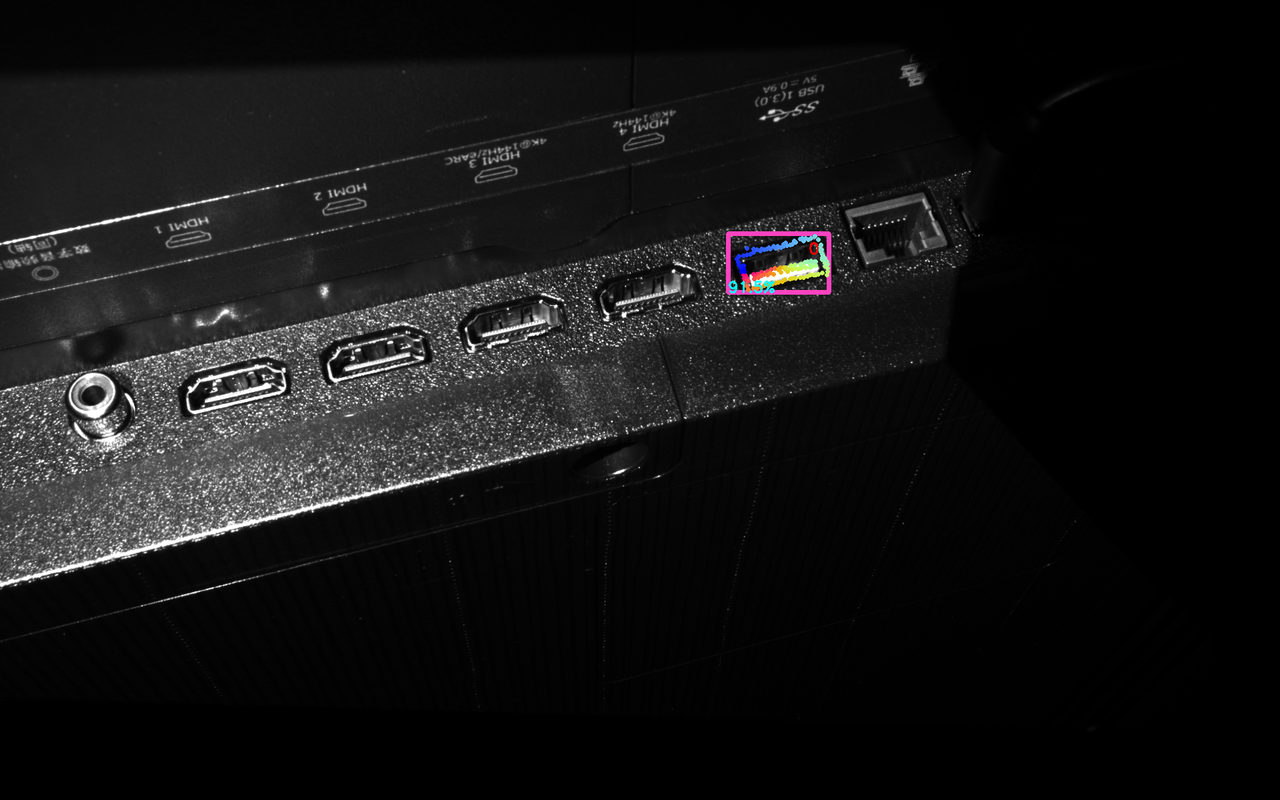 | 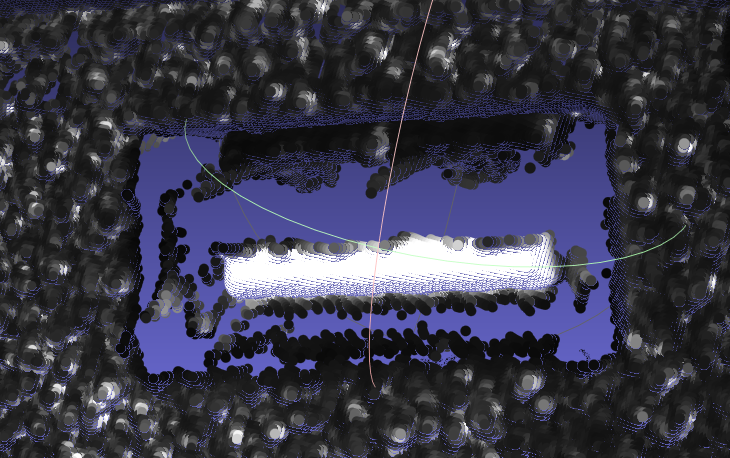 | 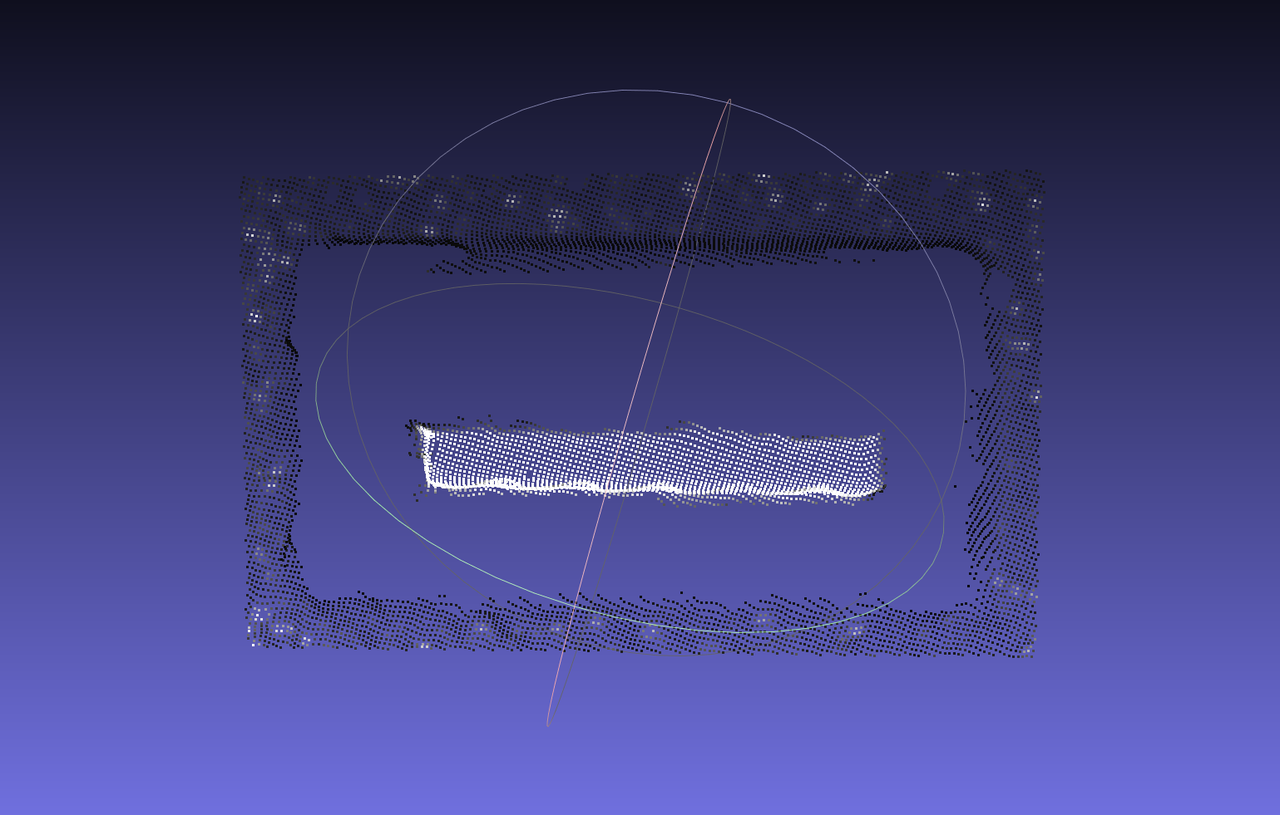 | Prerequisites: Target Features: Basic Principles: | Prerequisite: Target characteristics: |