Camera Connection and Parameter Tuning Guide
1. Camera Connection
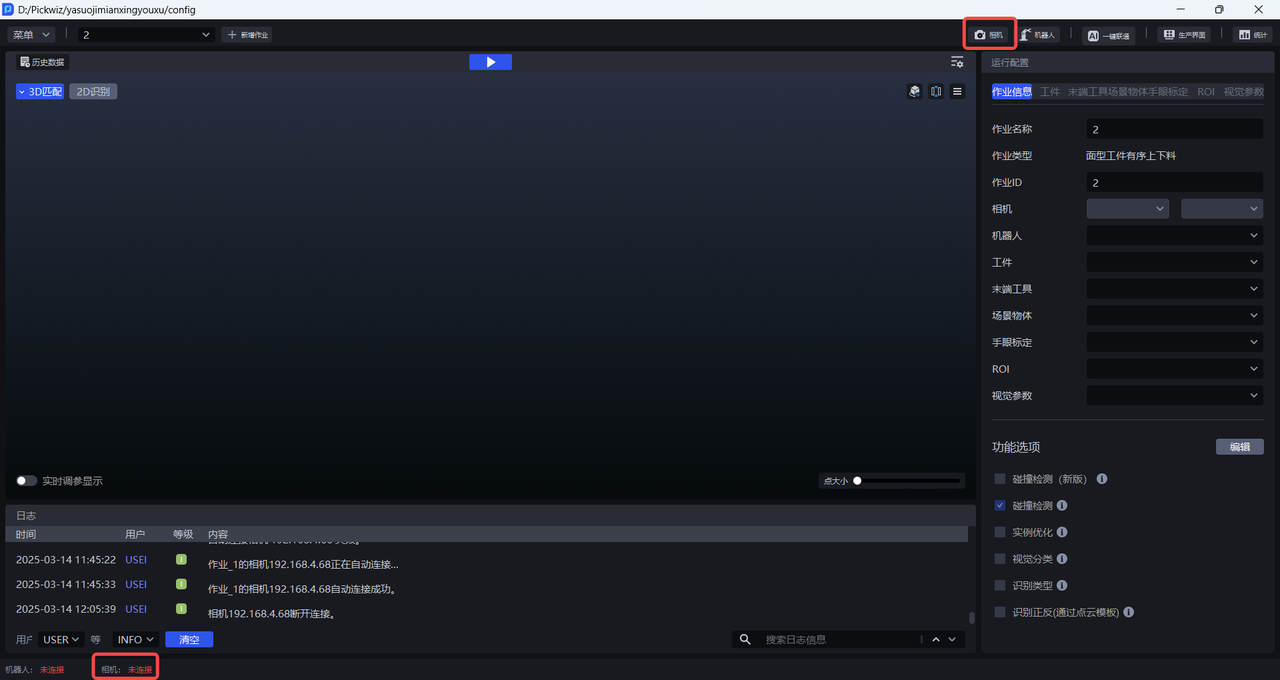
- Use a network cable to connect the Camera to the Industrial PC, turn on the Camera power, then click the
Camerapanel on the main interface to open theCamerainterface.
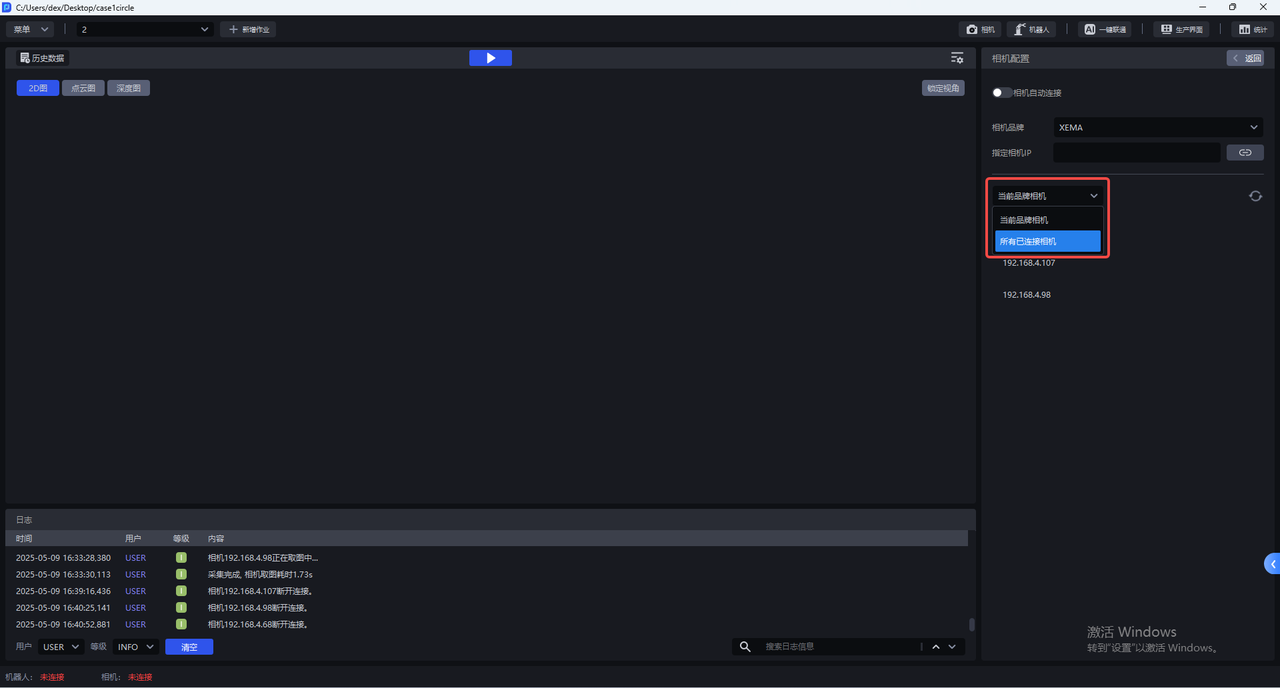
- On the Camera interface, select the Camera brand to connect. Available options are XEMA, FINCH, SPARROW, KINGFISHER, and KINGFISHER-R. Then click
Searchto search for Cameras of the current brand or Cameras that were connected before, and connect to the Camera with the corresponding IP address.
Please note when connecting a Kingfisher Camera:
Before connecting a Kingfisher Camera, please refer to KINGFISHER Series Camera User Manual to download and install the MVS software. Please install MVS before installing PickWiz; otherwise, the Kingfisher Camera may not be searchable in the Camera brand list.
If PickWiz is installed before MVS, the Kingfisher Camera may not be searchable in the Camera brand list. Please restart and then open PickWiz again.
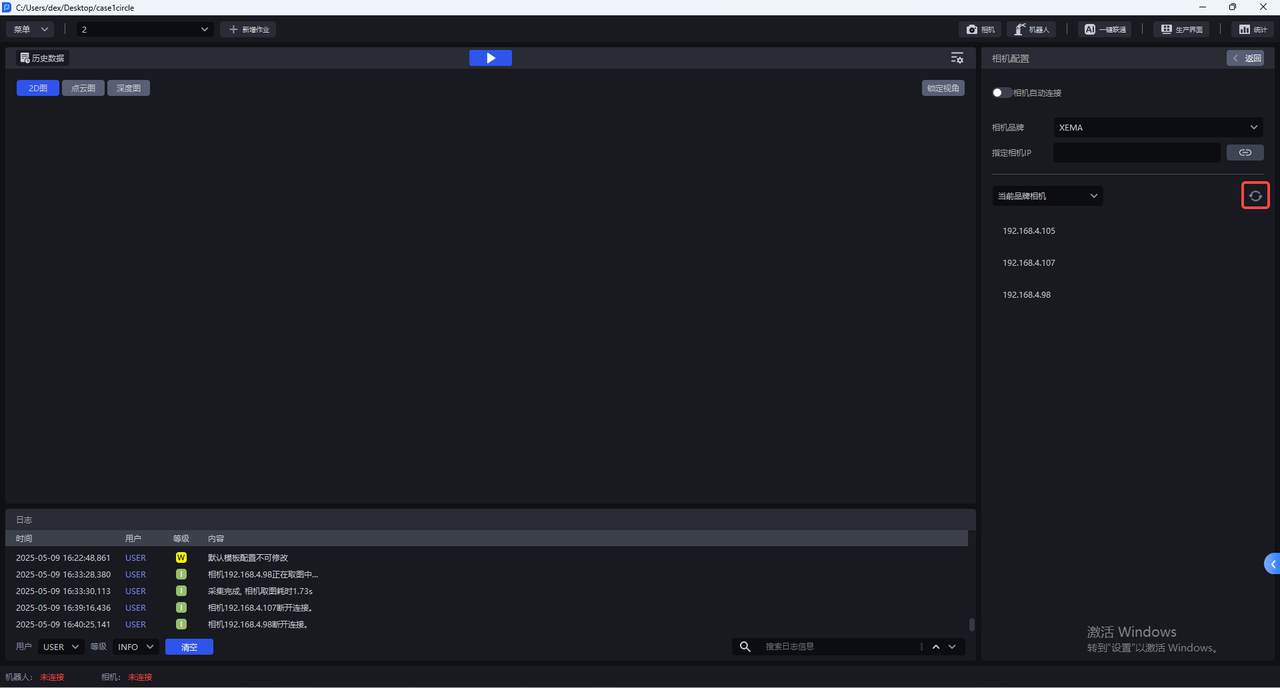
You can also directly enter the Camera IP address and then click the Connect Camera button.
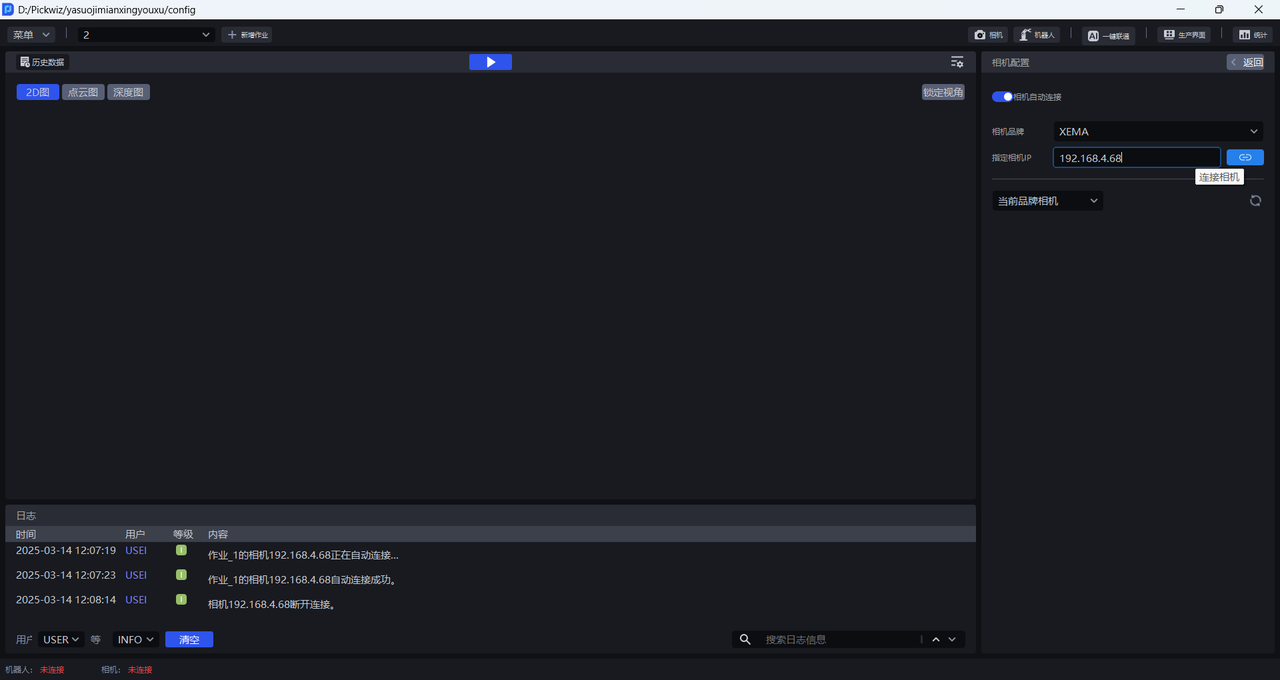
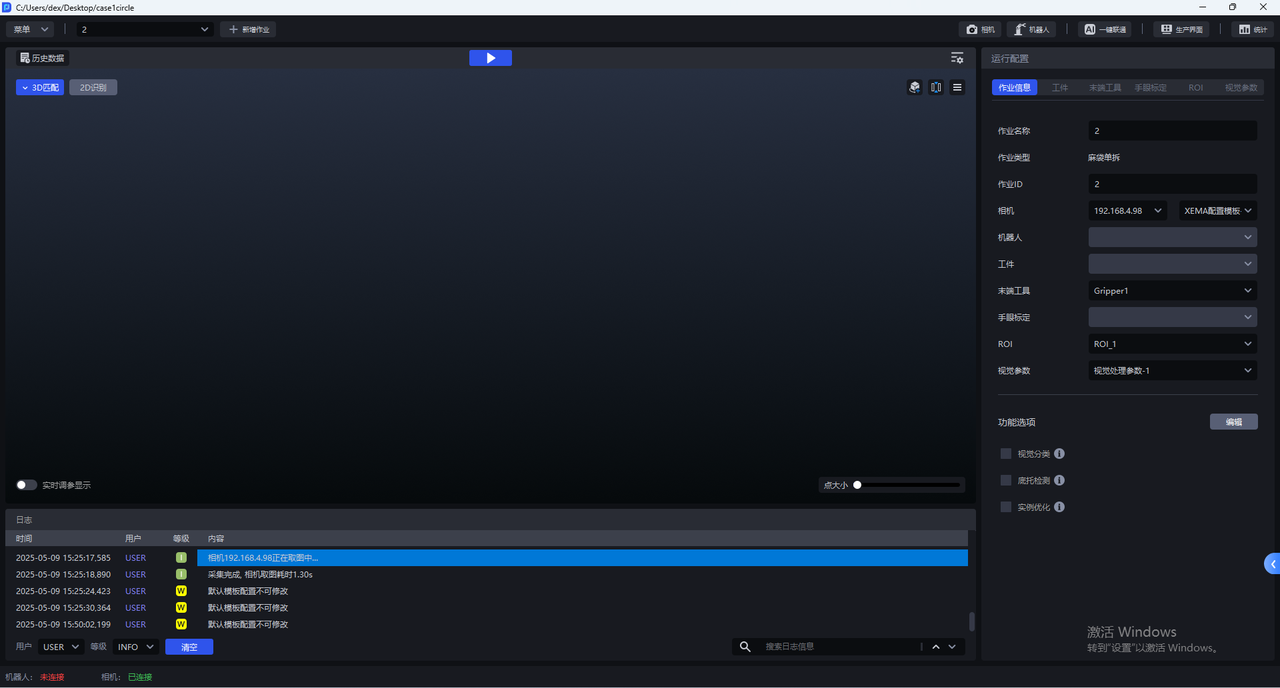
- After the Camera is connected successfully, you should select a Camera for the current task on the
Task Configinterface. After the Camera is selected, the Camera connection status in the status bar changes to "Connected", as shown below.
2. Camera Configuration
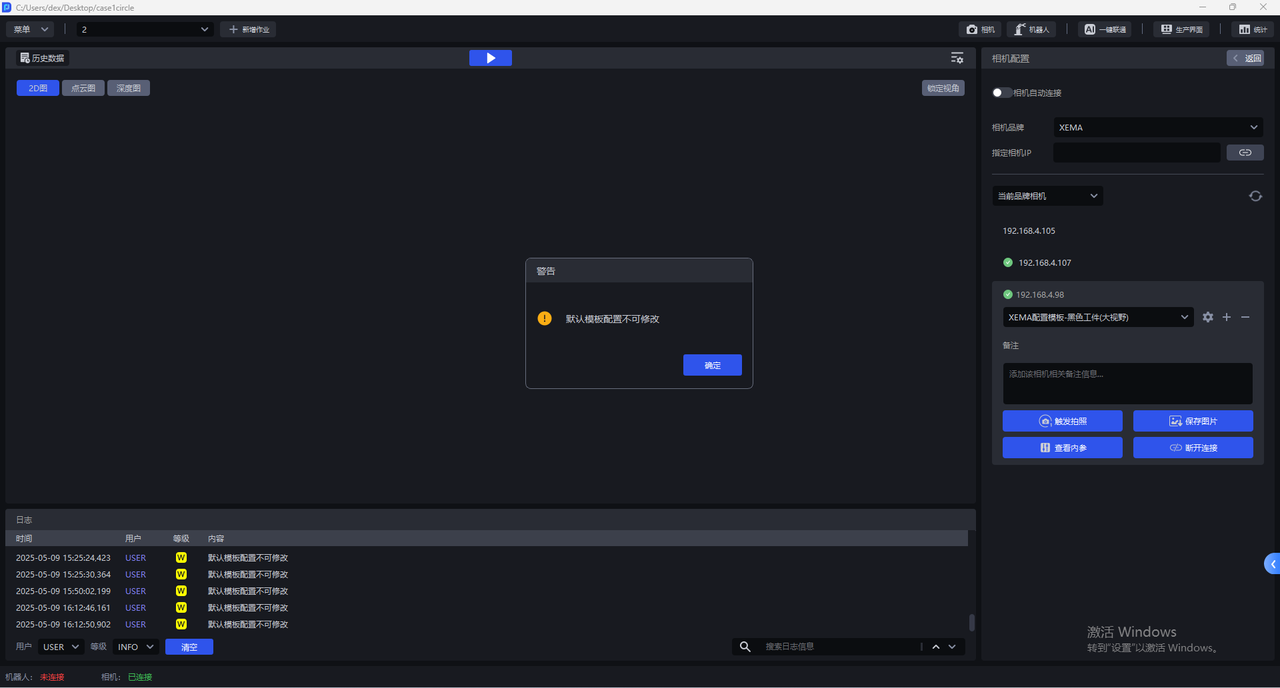
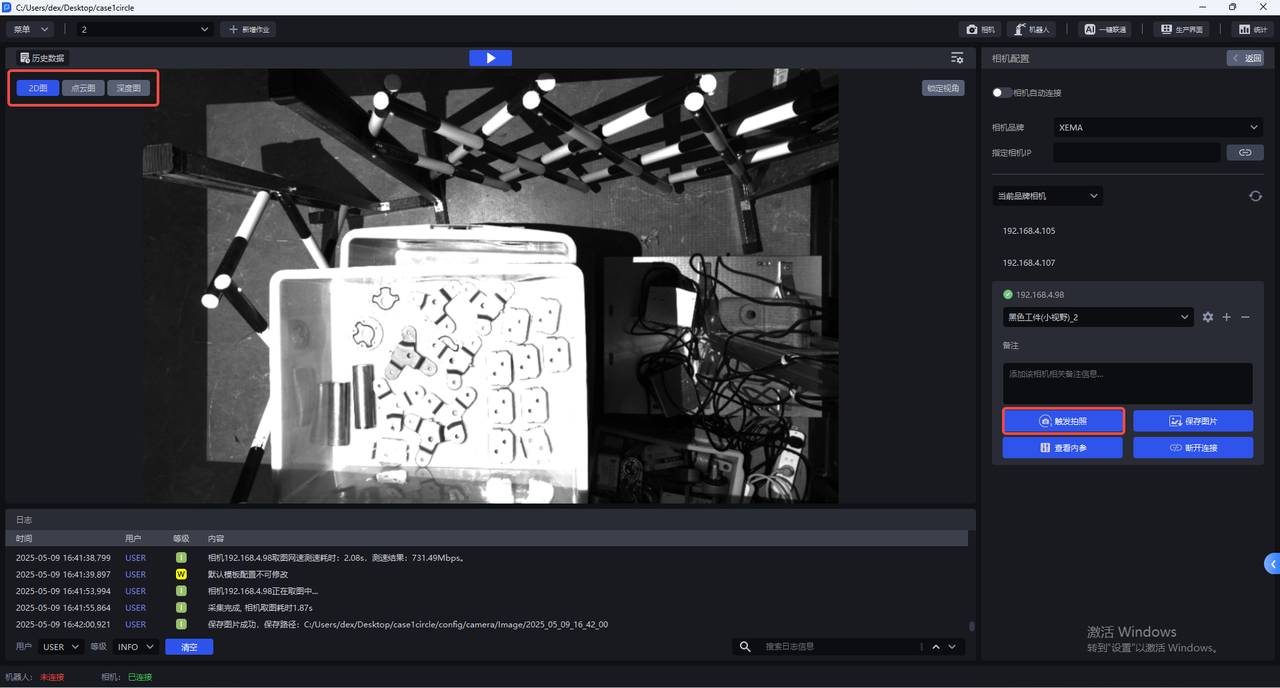
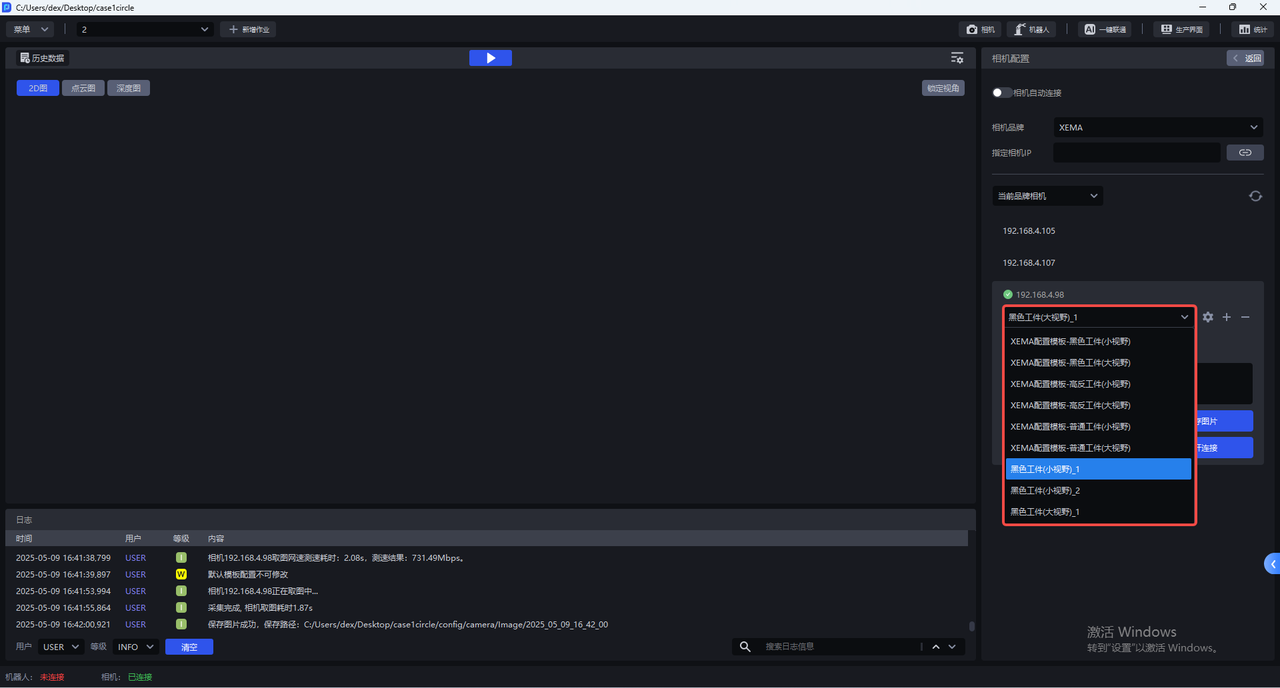
- Each Camera has multiple default configurations, and none of the default configurations can be changed. Select the corresponding default configuration and click
Captureto capture the 2D image, Point Cloud Data image, and depth image with the imaging parameters. You can view the imaging quality in the visualization window on the left.
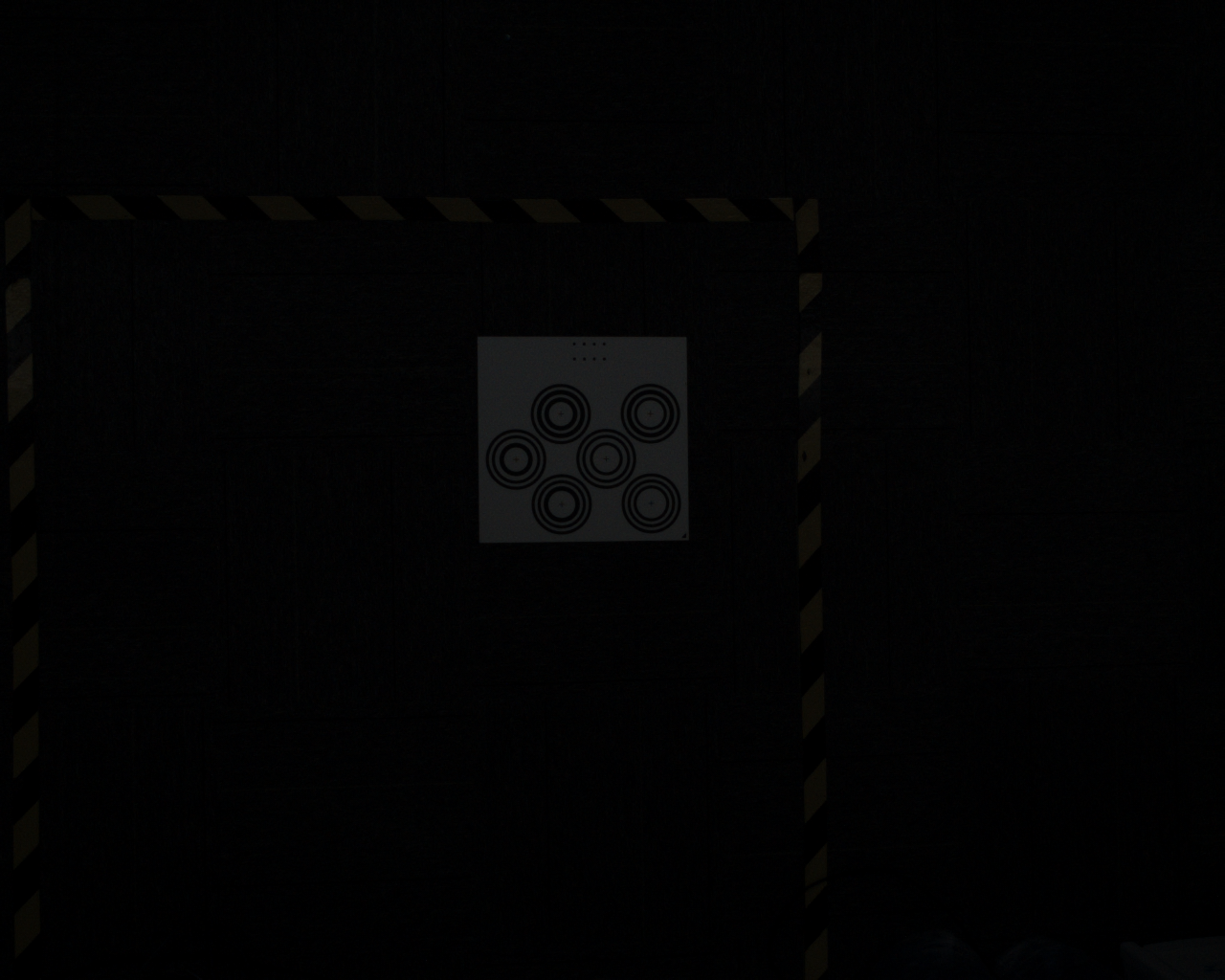
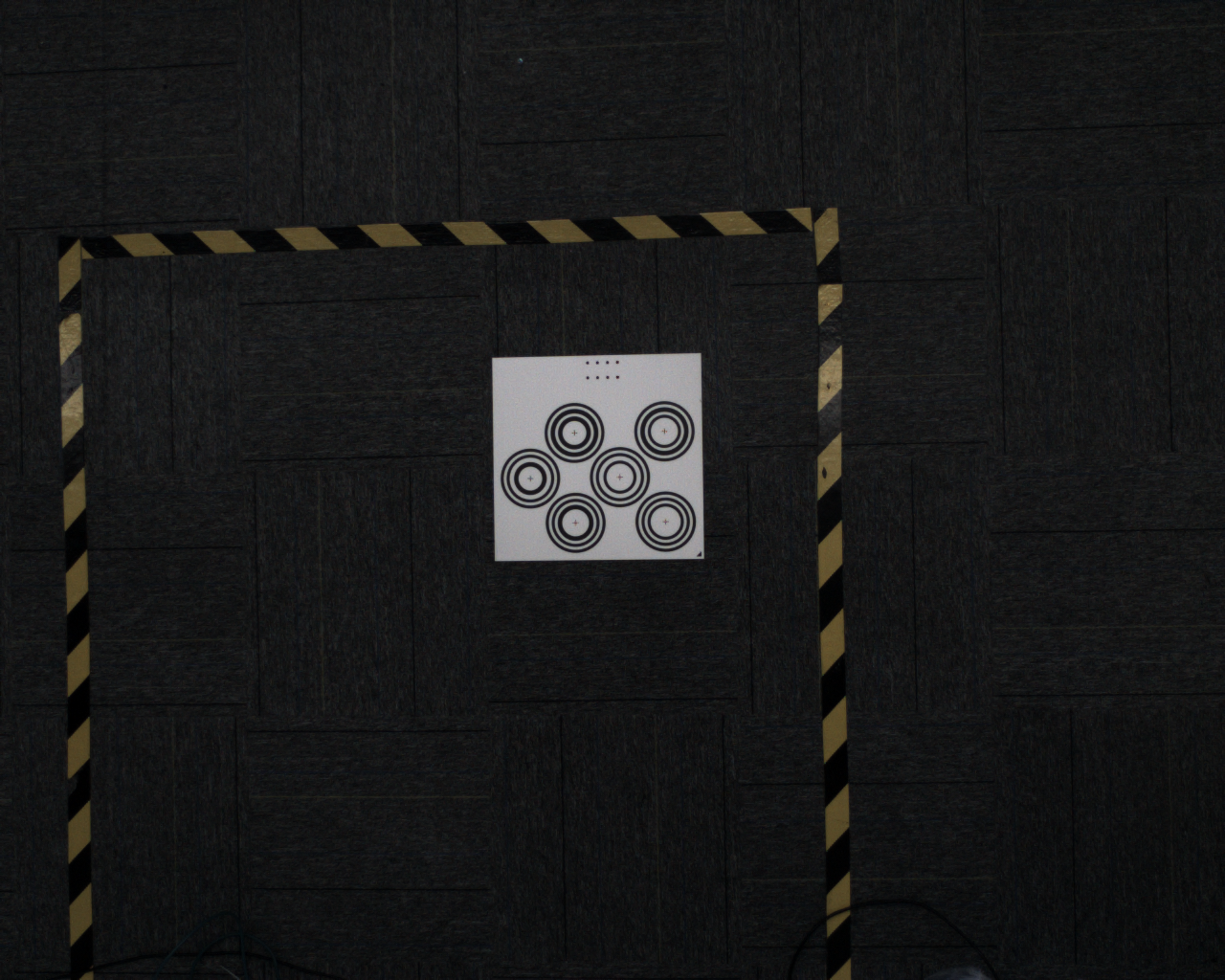
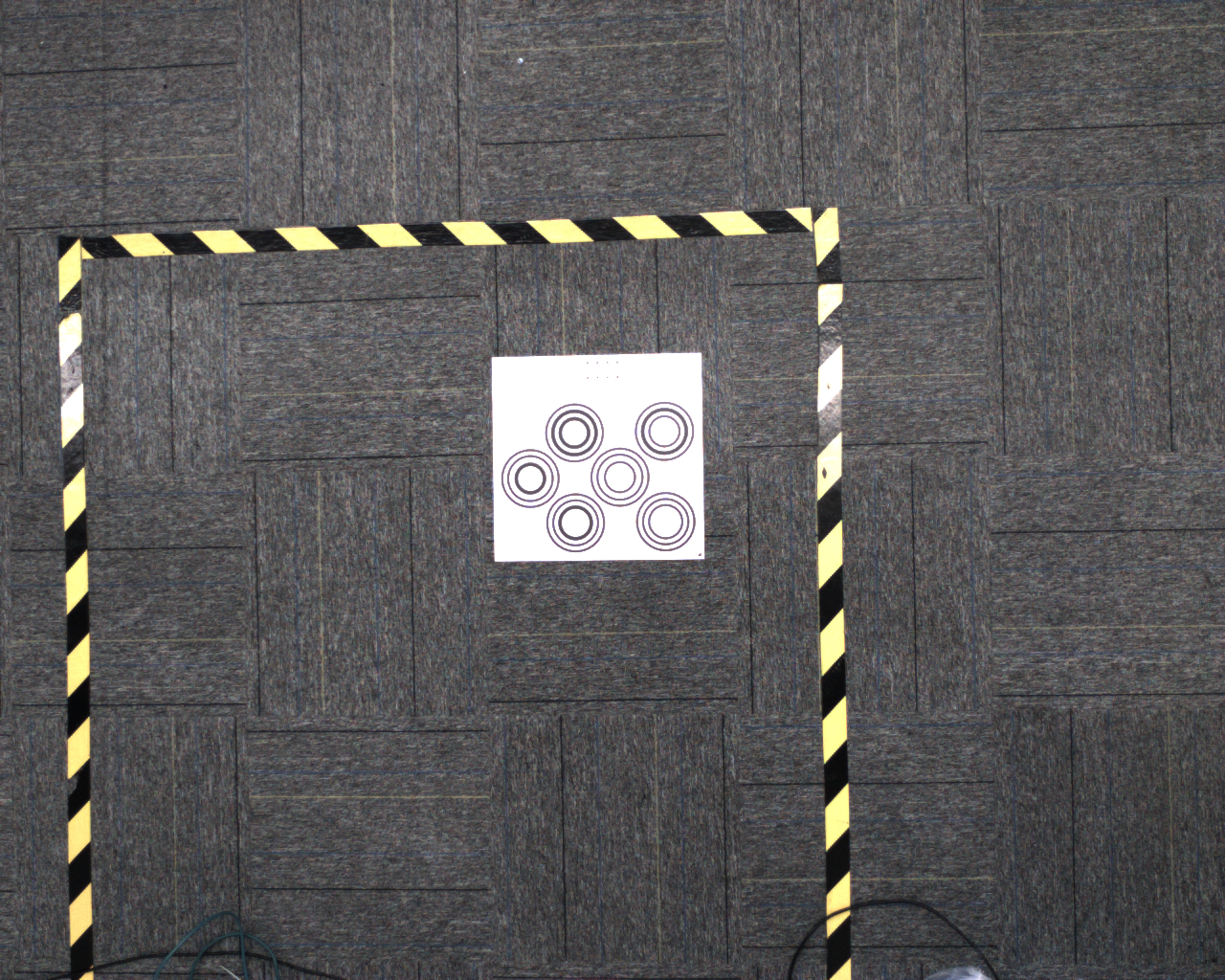
- The default Camera configurations cannot be changed. If the 2D images captured by all default configurations still cannot reach normal exposure, you can click
+to copy the current default Camera configuration, add an identical Camera configuration, and directly enter the Camera configuration interface to modify parameters.
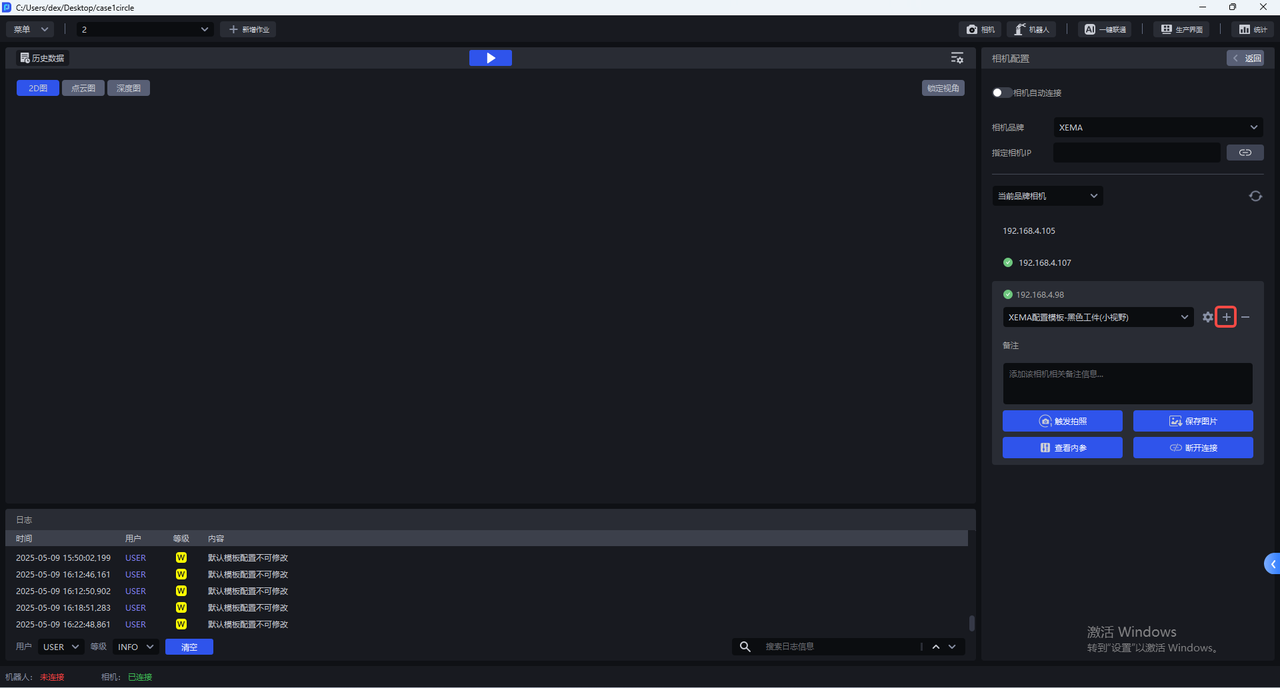
After copying the current default Camera configuration, you can switch to the newly added Camera configuration and click the settings button to enter the Camera configuration interface and modify parameters.
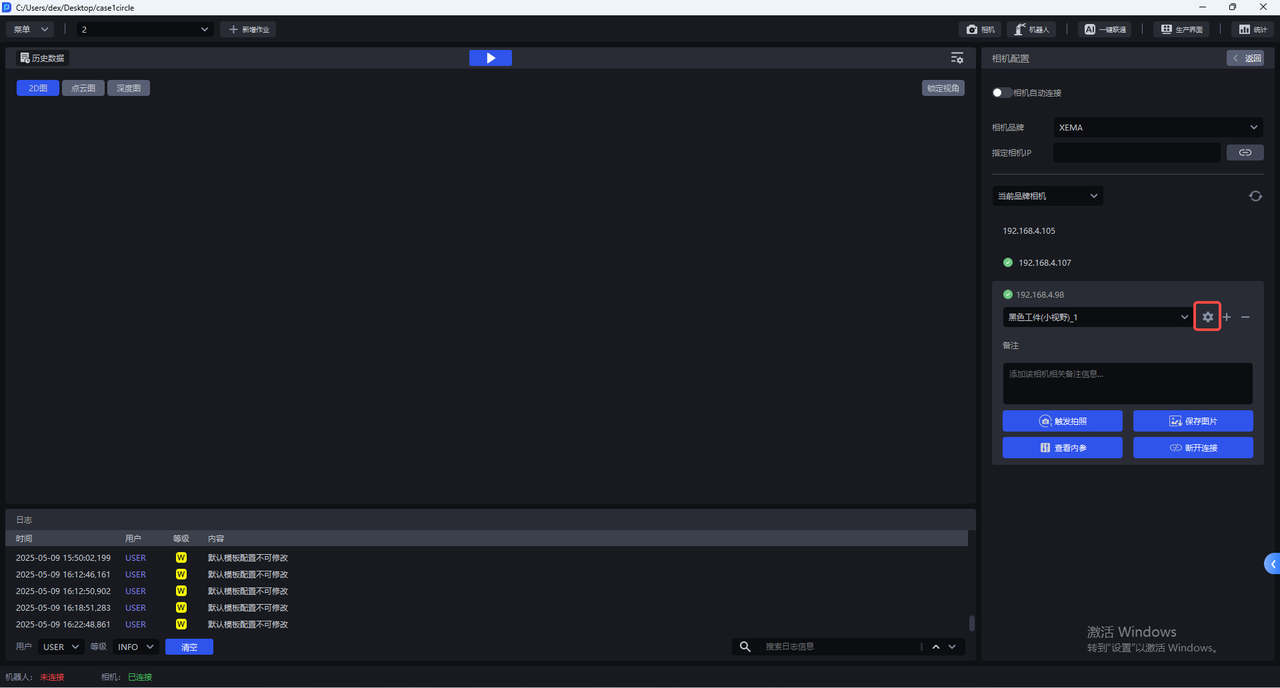
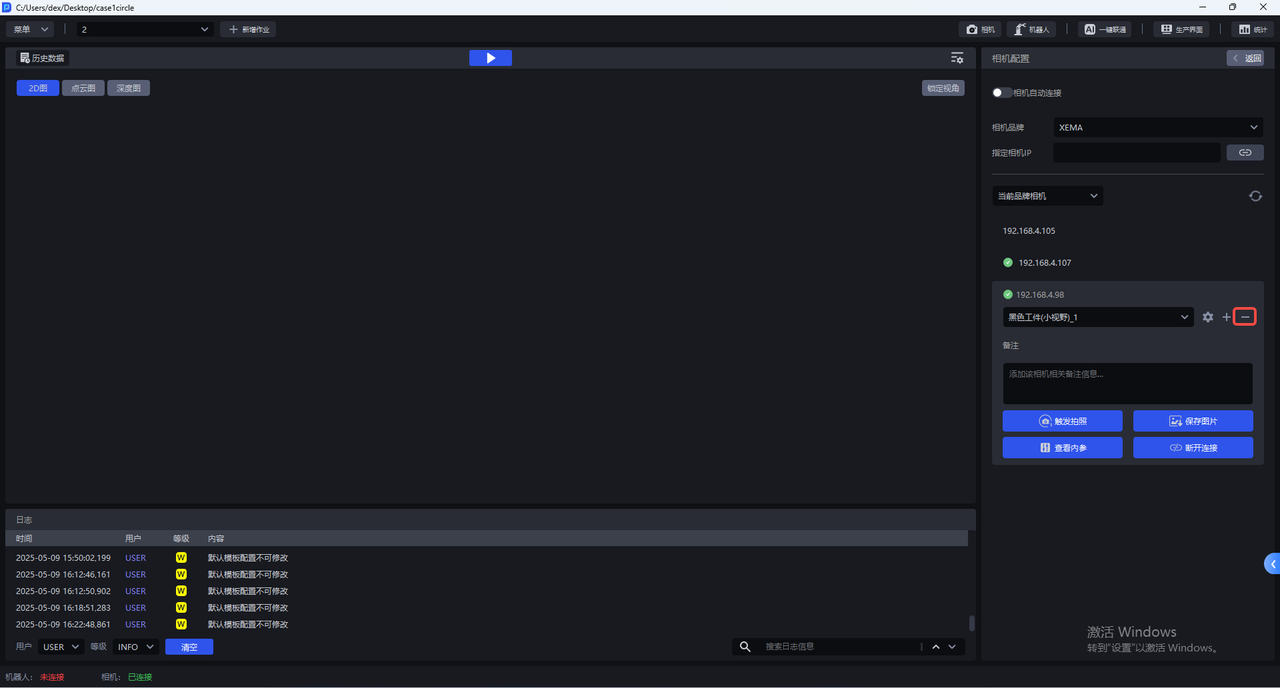
Click — to delete the newly added Camera configuration.
- Click
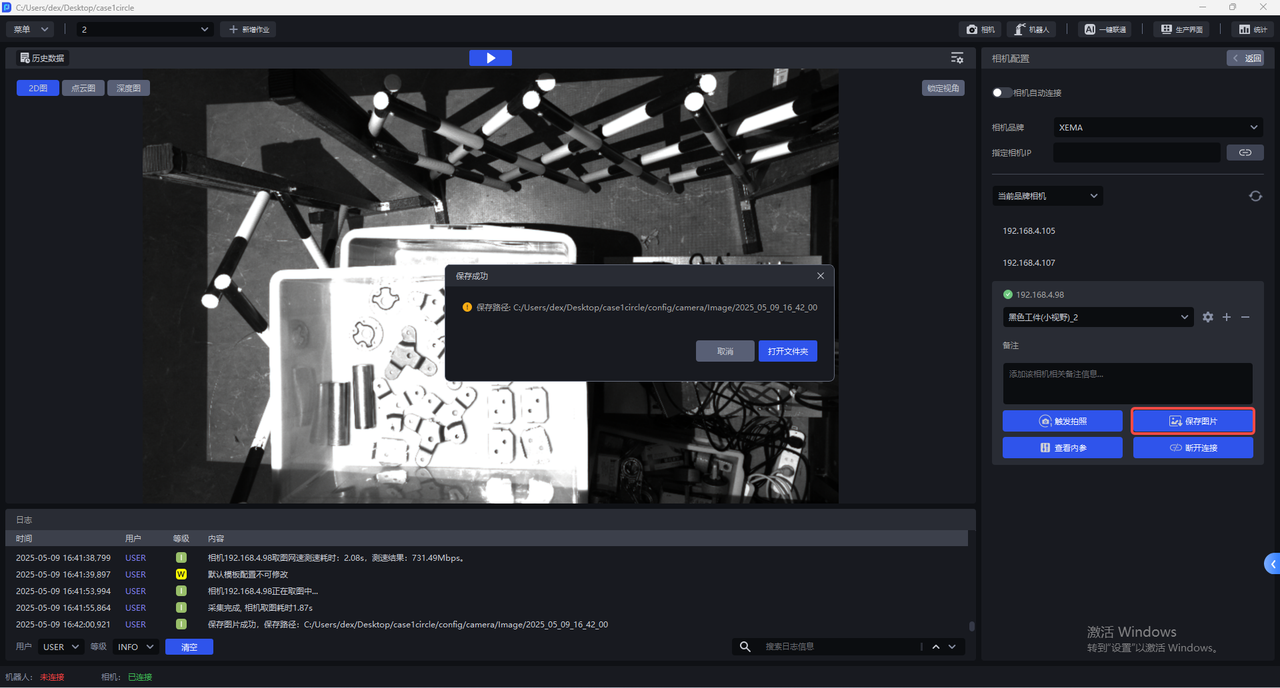
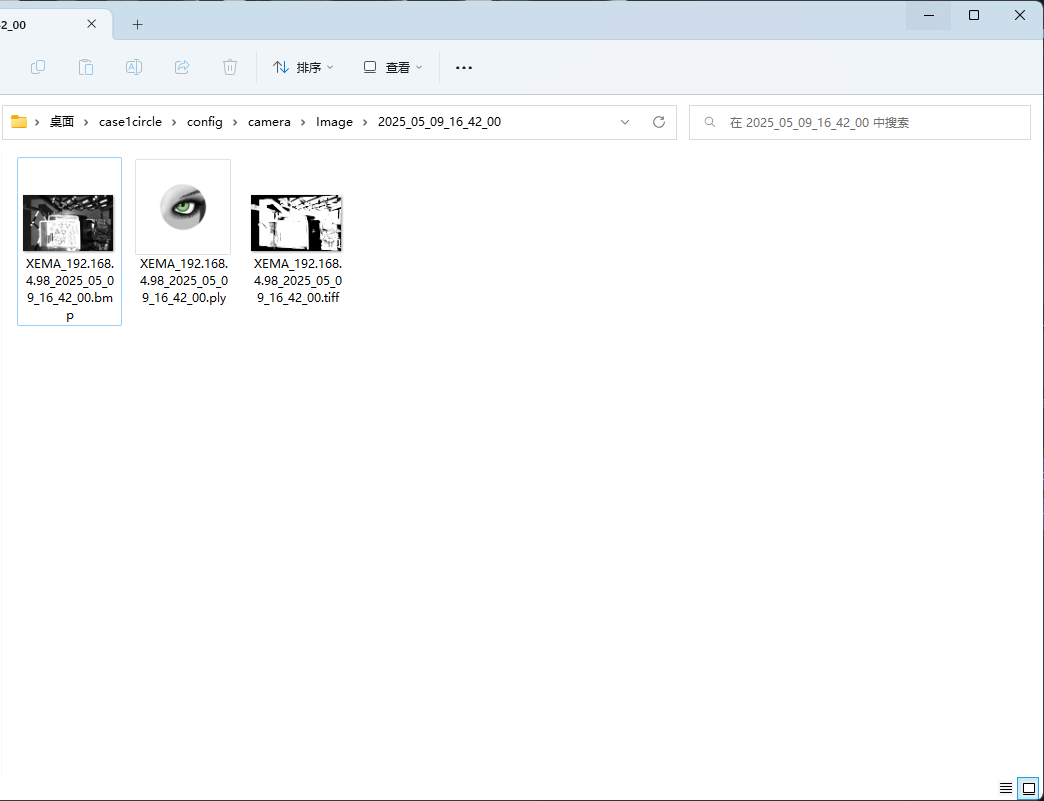
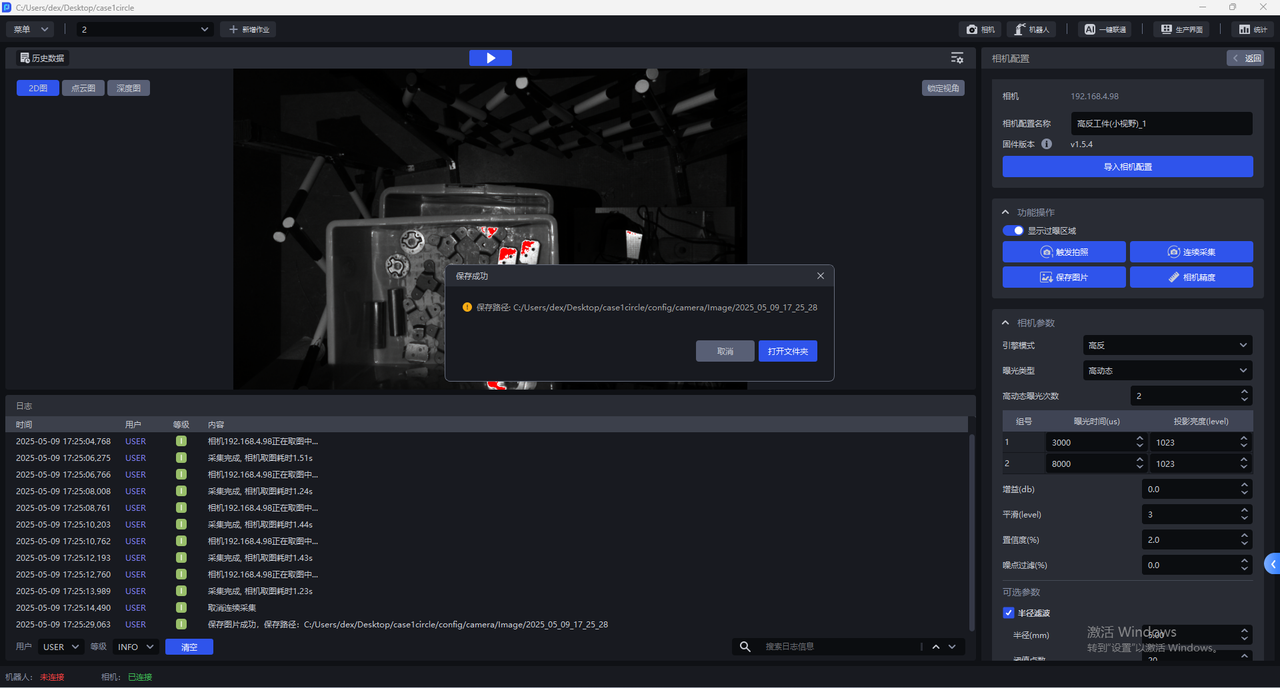
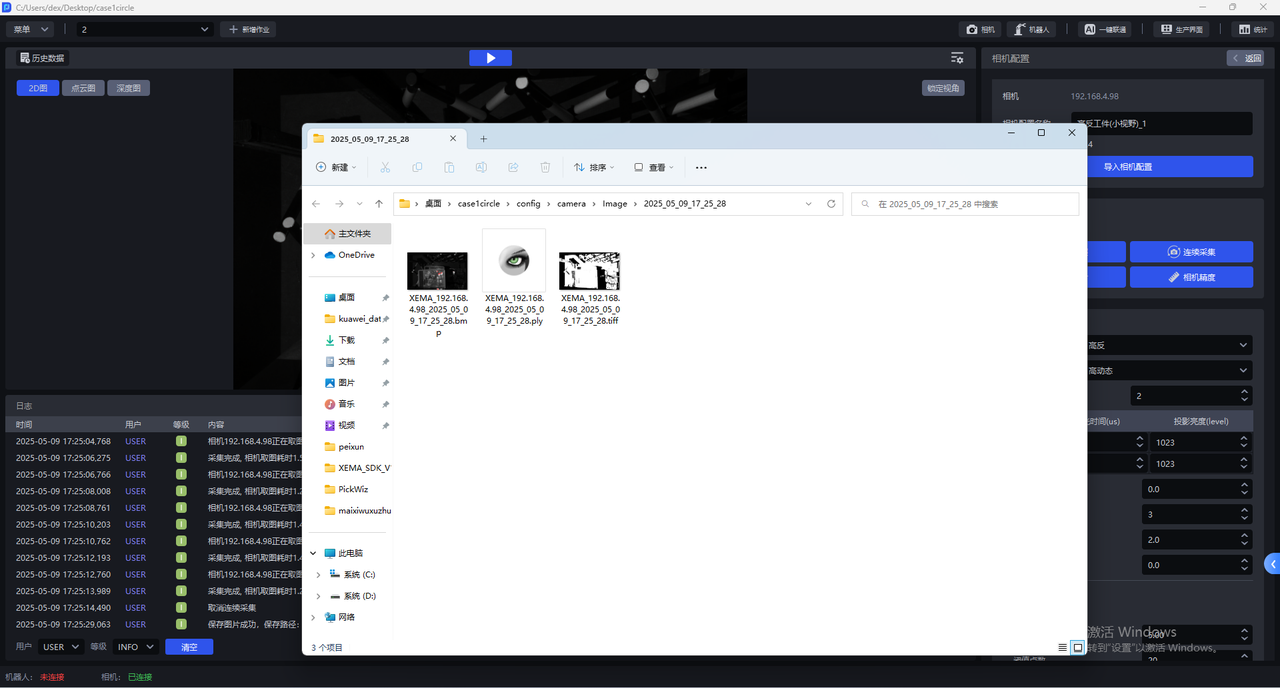
Save Imagesto save the 2D image, PCD image, and depth image captured using the current configuration to the local machine. As shown below, the save path is Projectfile/config/camera/image/capture time. The suffixbmpis the 2D image, the suffixplyis the PCD image, and the suffixtiffis the depth image.
- Click
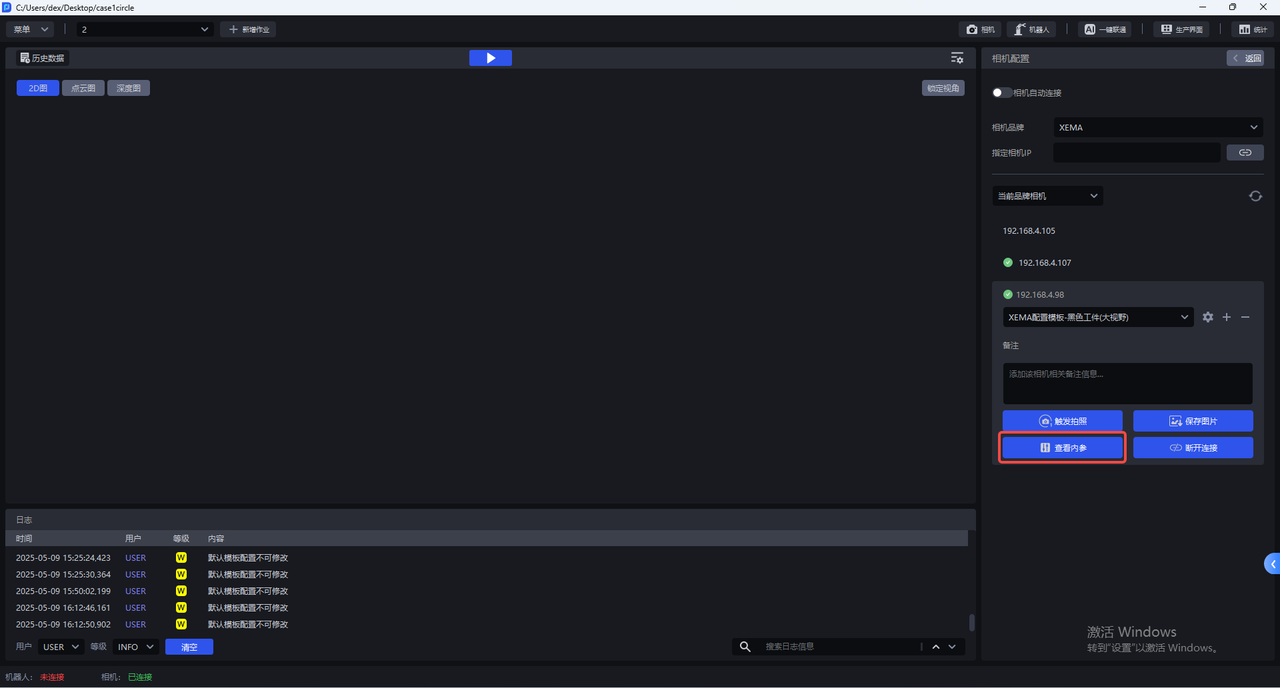
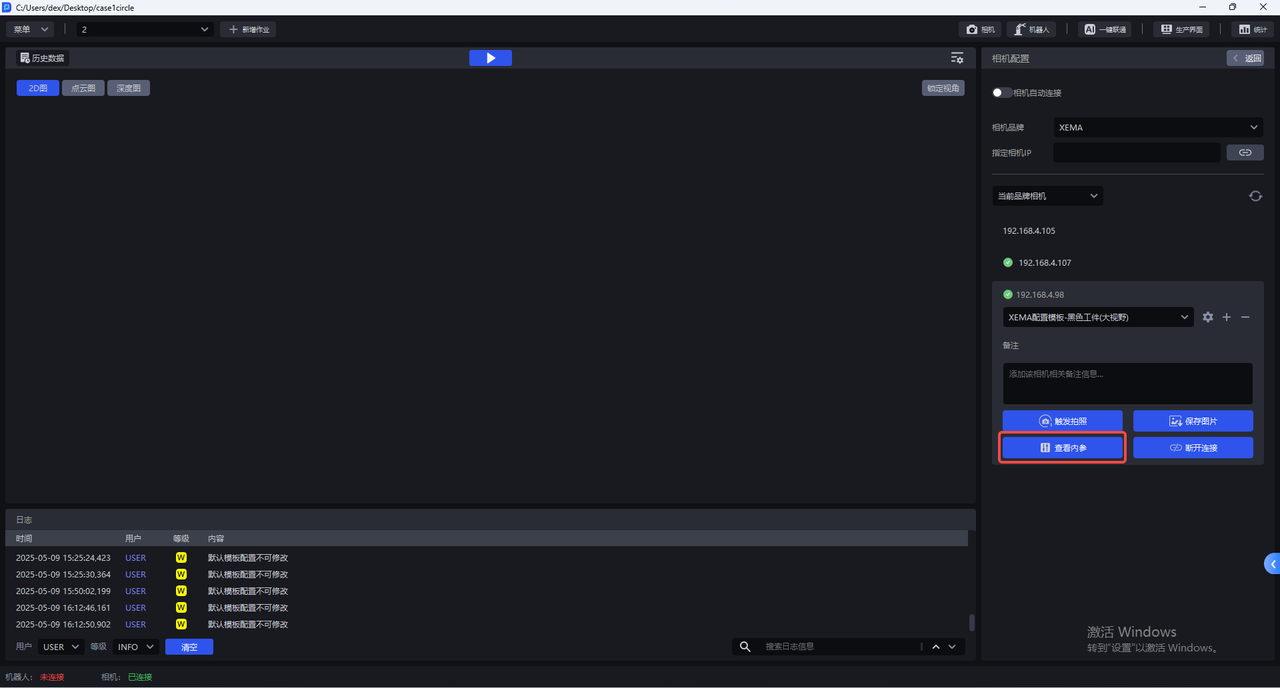
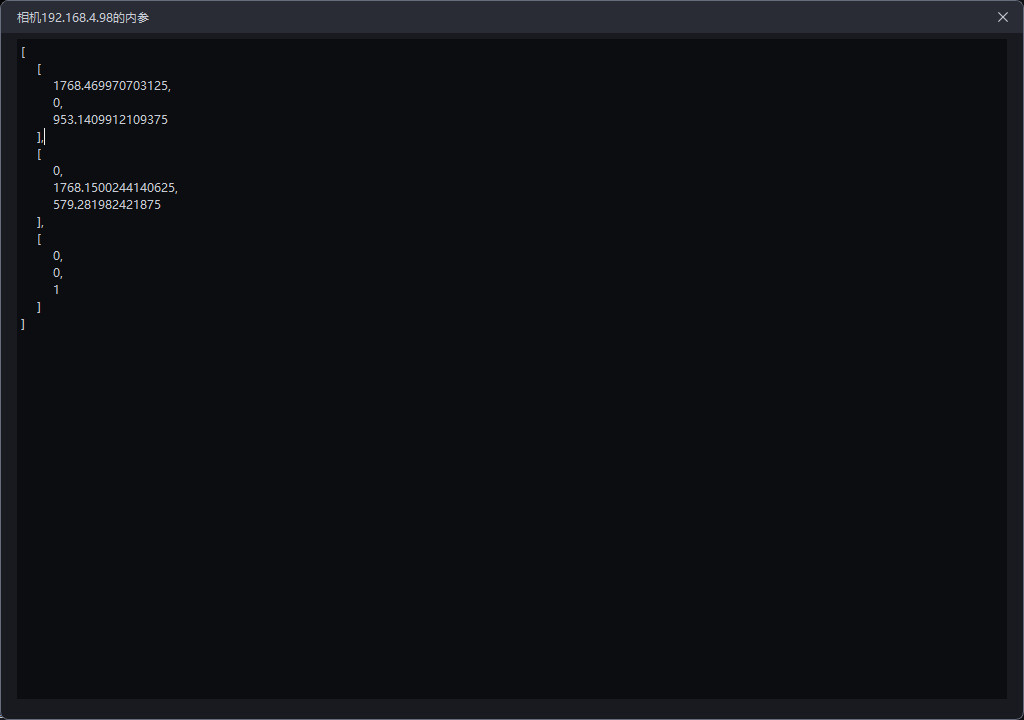
View Intrinsicto view the Camera Intrinsic Parameter, including lens focal length, principal point coordinates, distortion coefficients, etc.
- Click
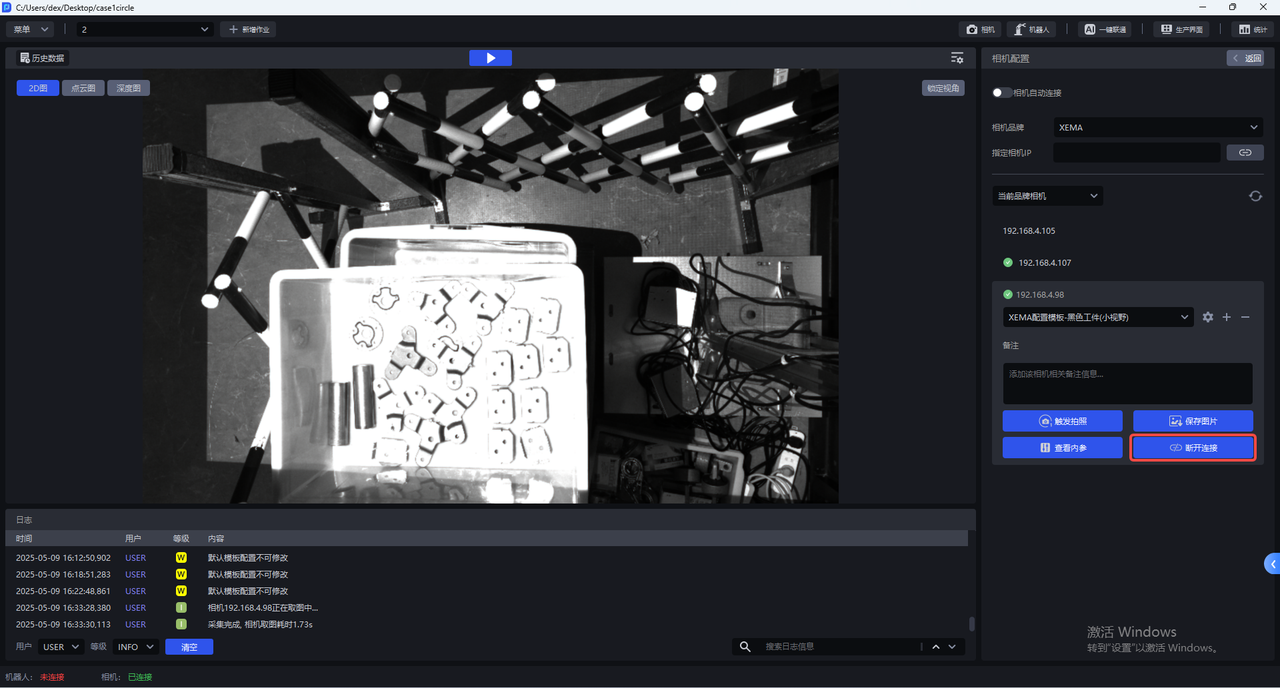
Disconnectto disconnect the Camera and select a Camera to connect again.
2.1 Import Camera Configuration
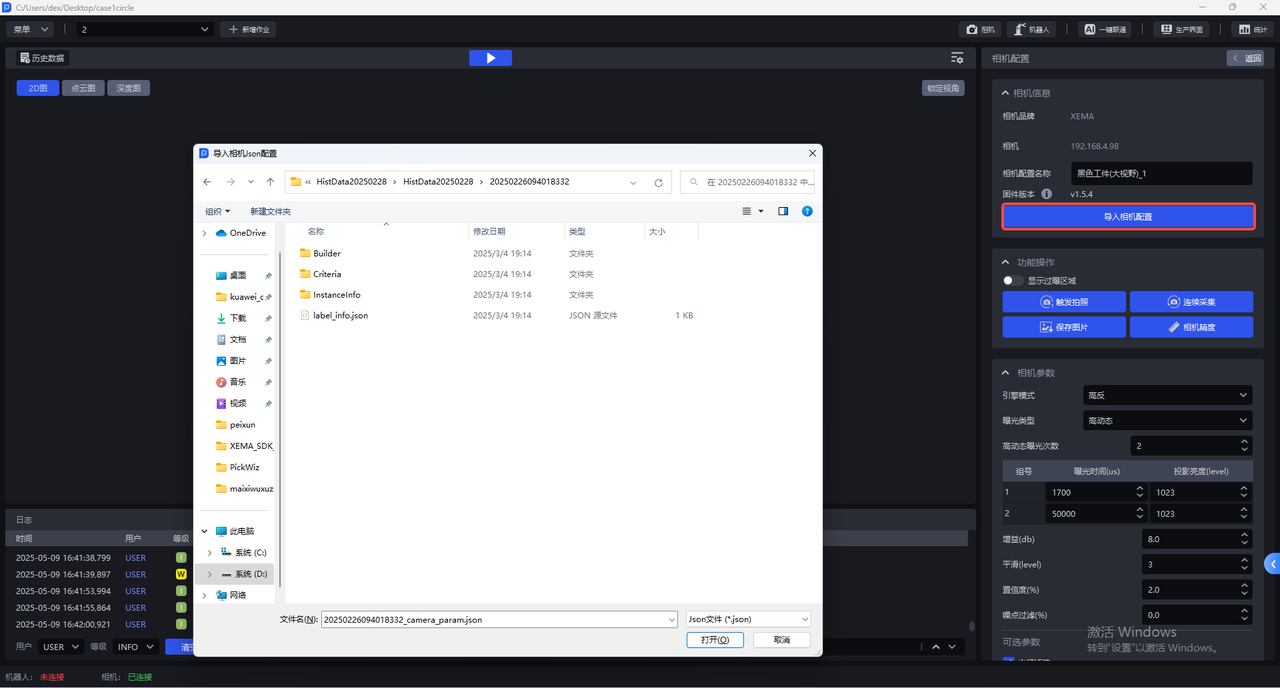
Enter the Camera configuration interface and click Import Camera Config to import an existing Camera configuration into the Camera.
2.2 Functional Operations
The Camera configuration interface provides the following functional operations:
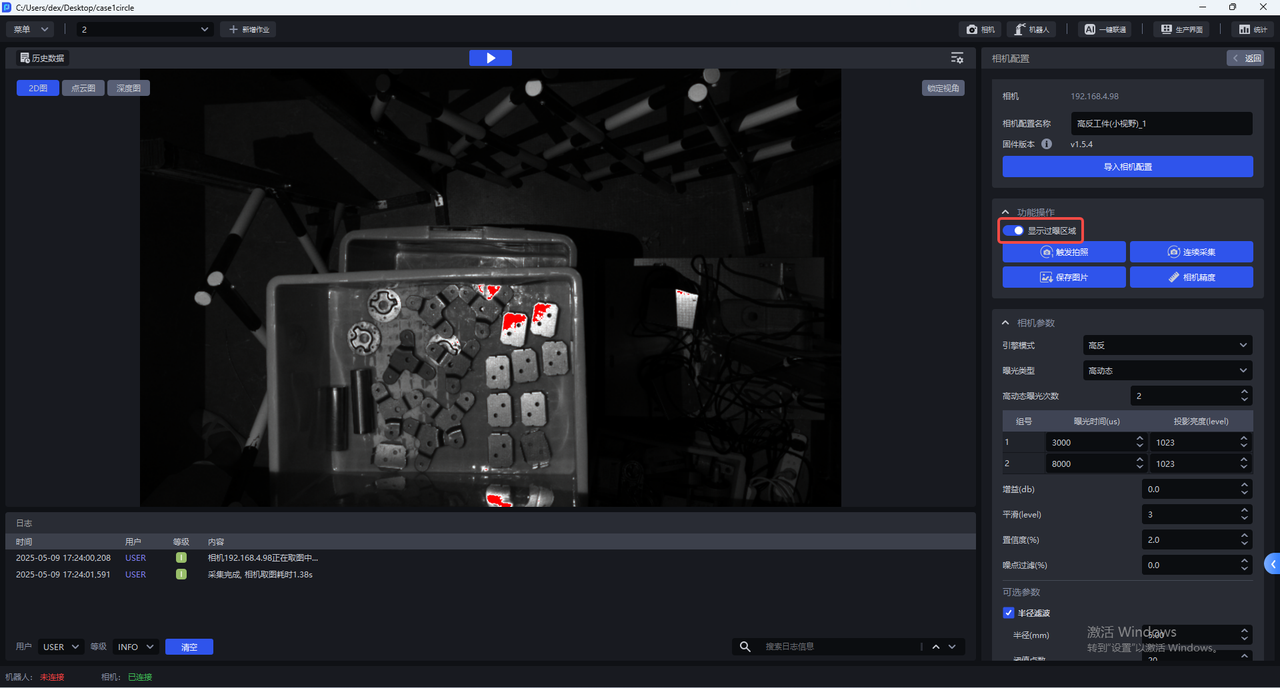
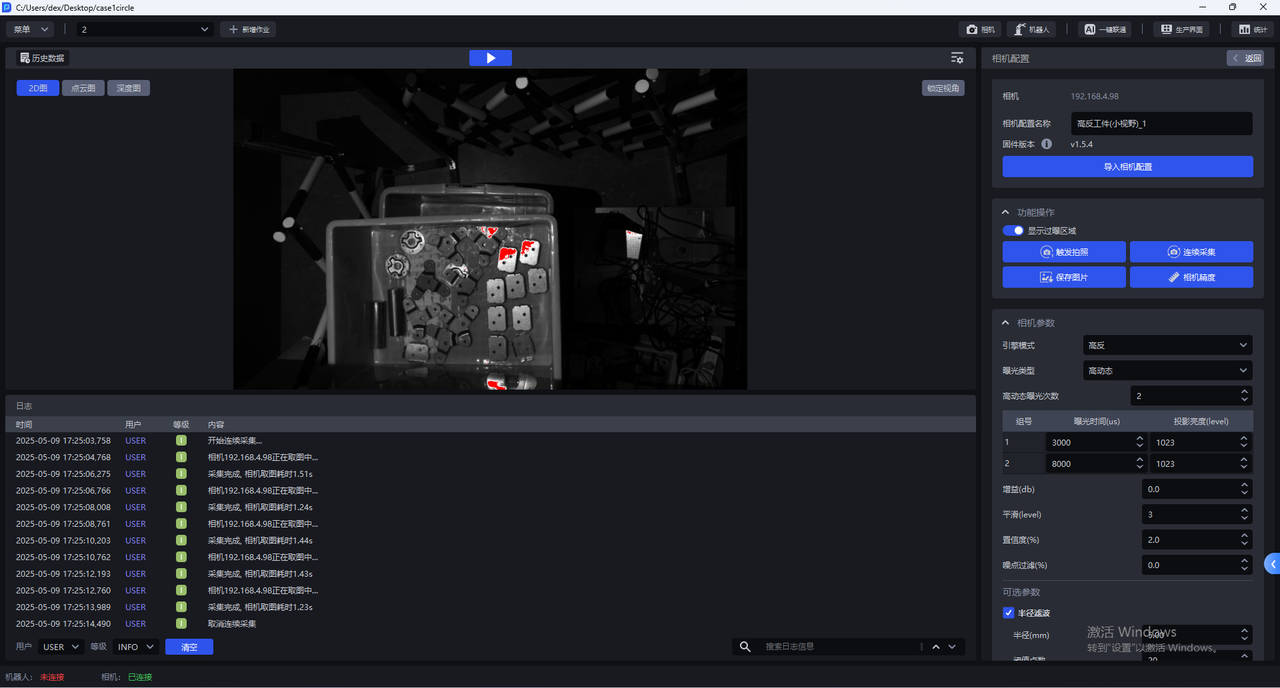
- Display overexposed areas
After turning on View Overexposed Areas, the visualization window will display the overexposed areas in the current image, as shown below.
- Trigger capture
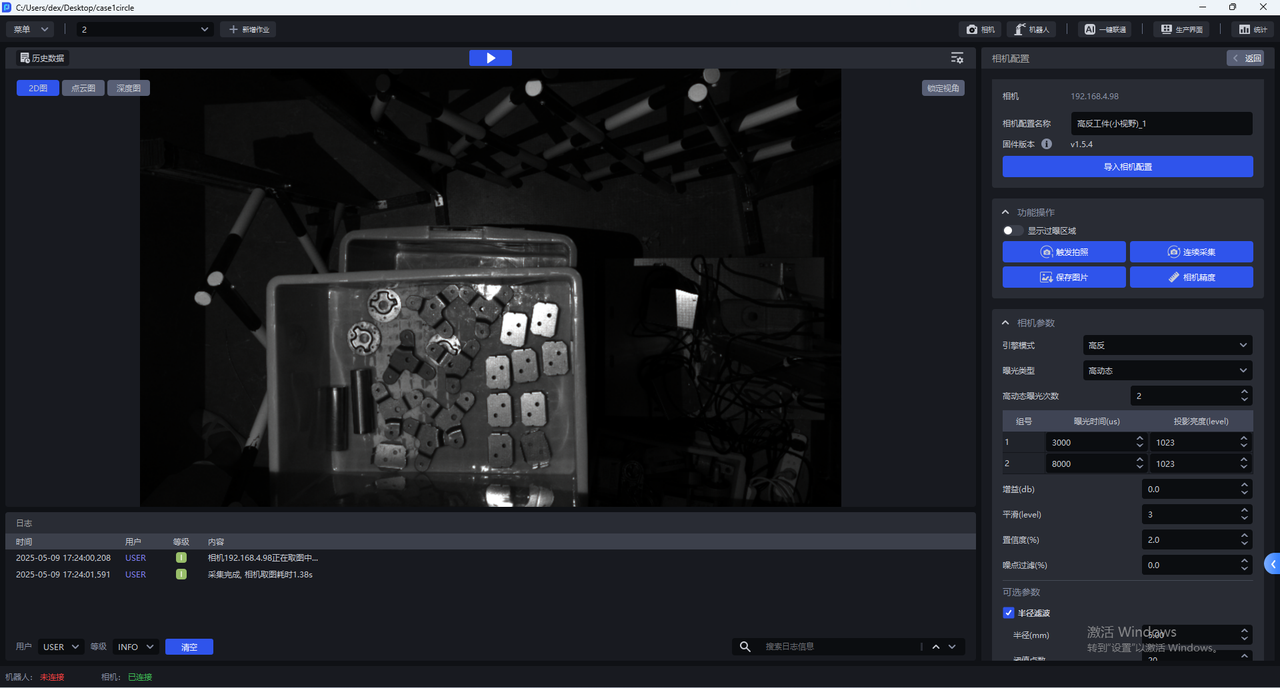
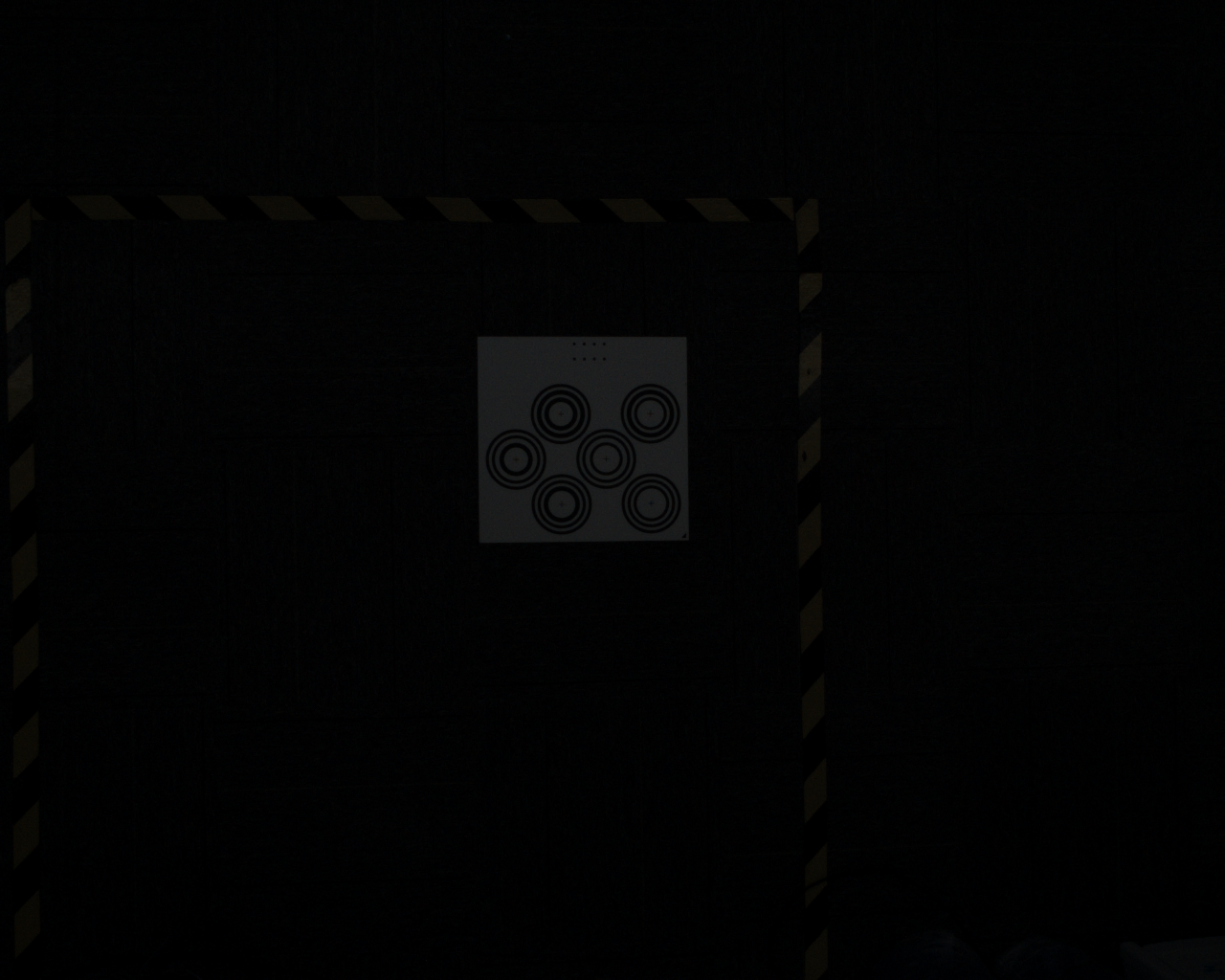
Click Capture to capture the 2D image, PCD image, and depth image using the current Camera configuration. You can view the imaging quality of the current Camera configuration in the visualization window.
- Continuous acquisition
Click Continuous Capture, and the Camera will continuously take pictures. Click Cancel Capture to stop capturing.
- Save images
Click Save Images to save the captured 2D image, PCD image, and depth image.
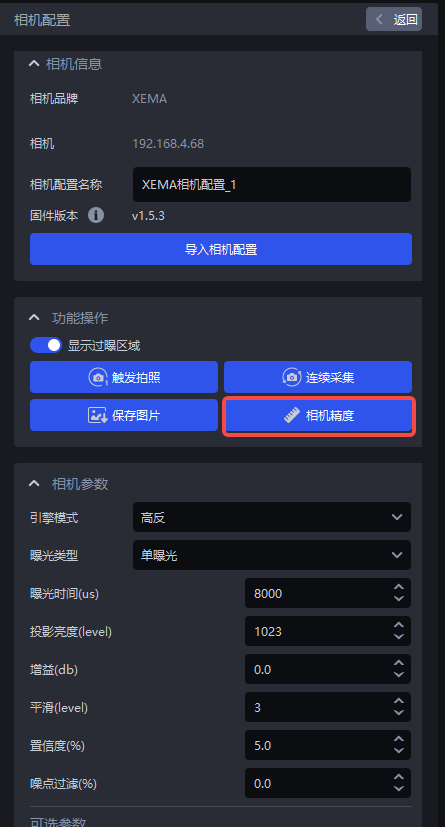
- Camera accuracy
Click Camera Accuracy to view and verify Camera accuracy.
2.3 Camera Accuracy
2.3.1 View Camera Accuracy
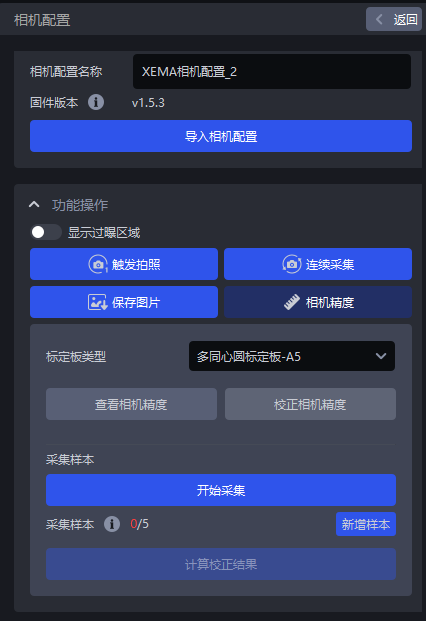
- Place the Calibration Board within the Camera field of view, and click
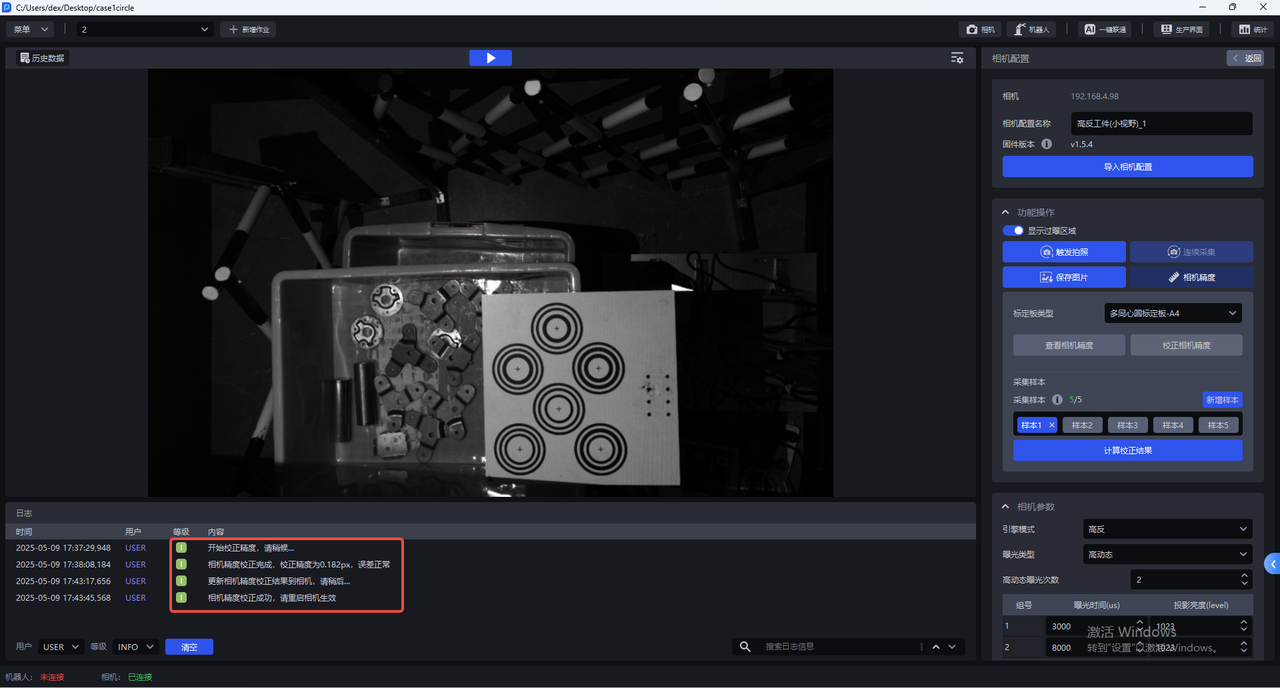
Camera Accuracyin the Camera configuration interface. The Camera accuracy interface will appear, as shown below.
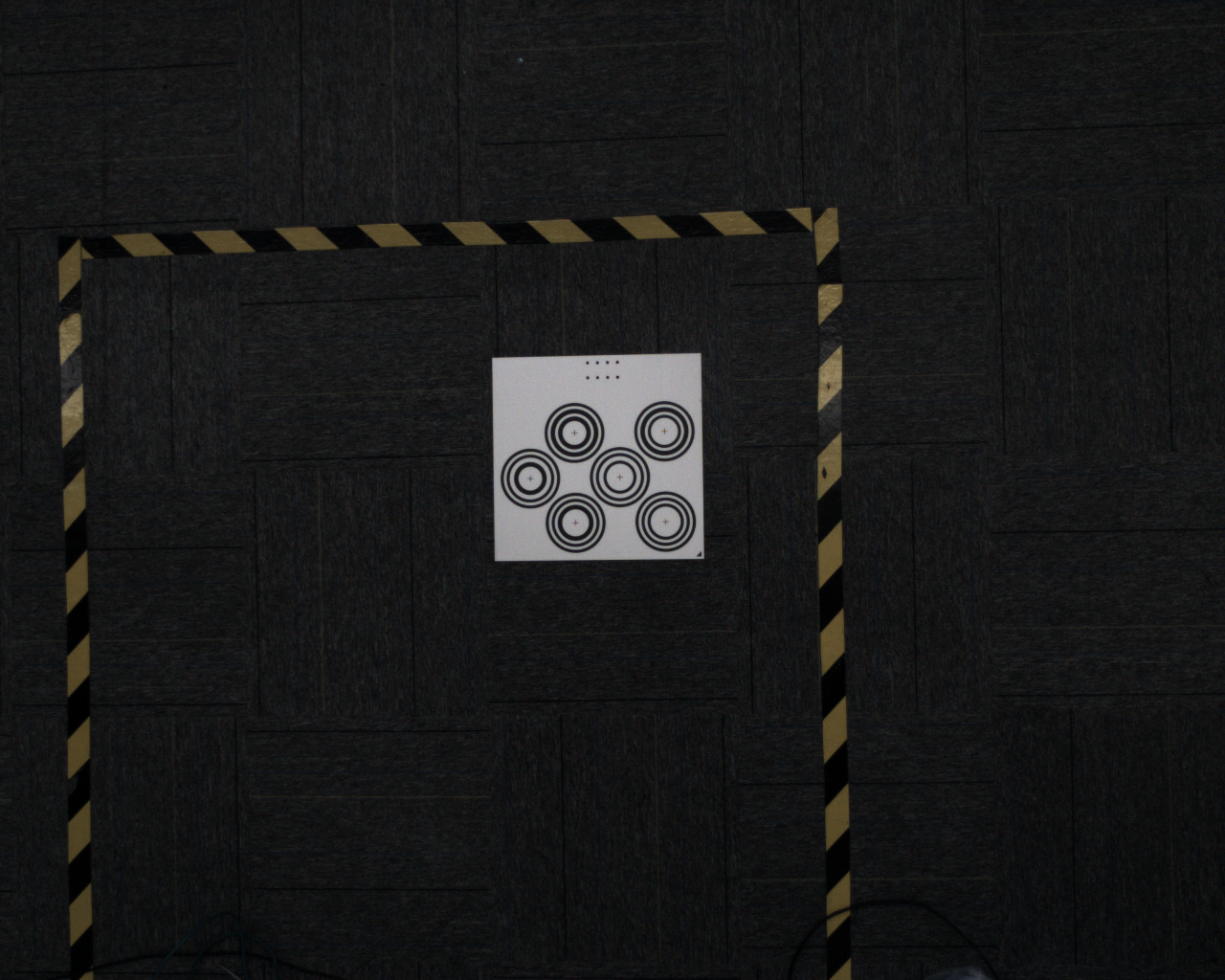
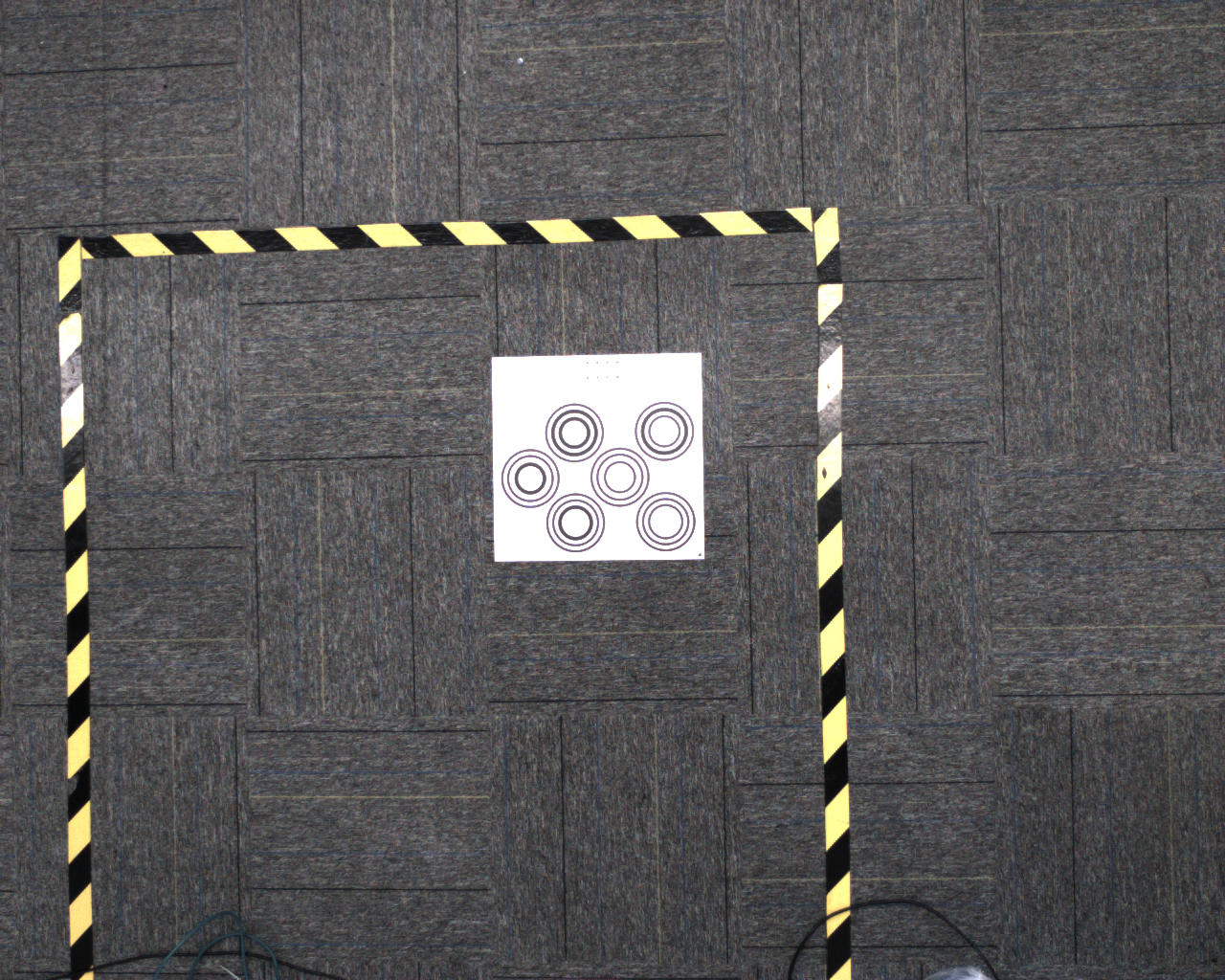
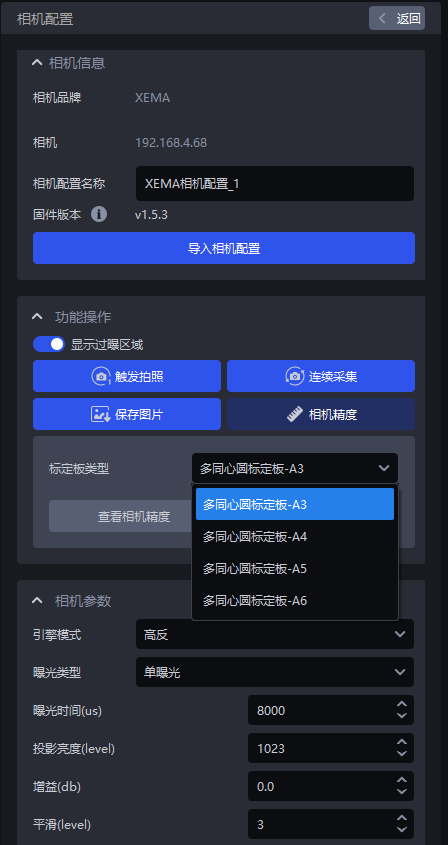
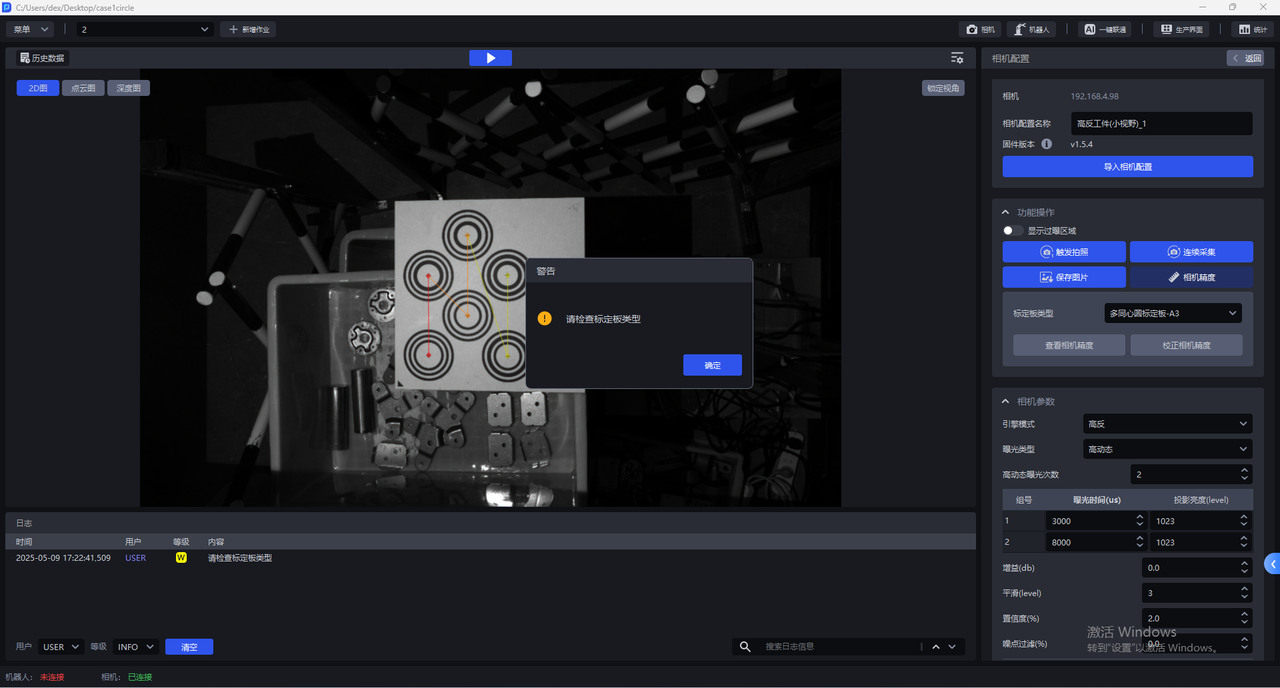
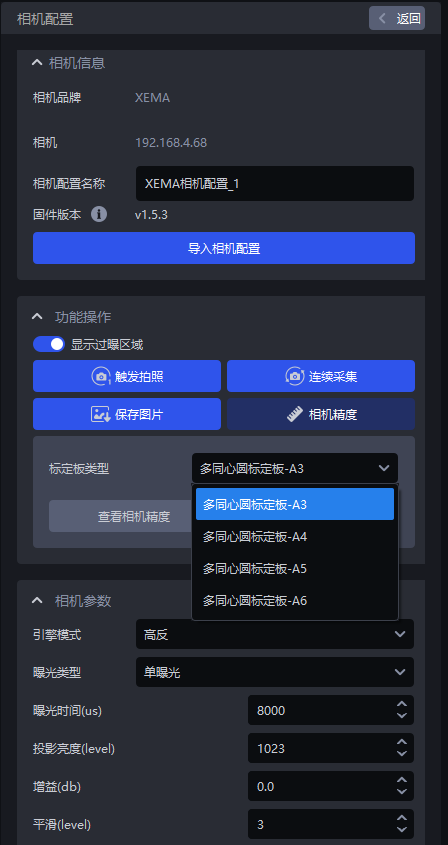
- Select the corresponding Calibration Board. If the selected Calibration Board does not match the actual one, a warning pop-up saying "Please check the Calibration Board type" will appear, as shown below. A warning pop-up appears when the Calibration Board type is A3.
- After selecting the correct Calibration Board type, click
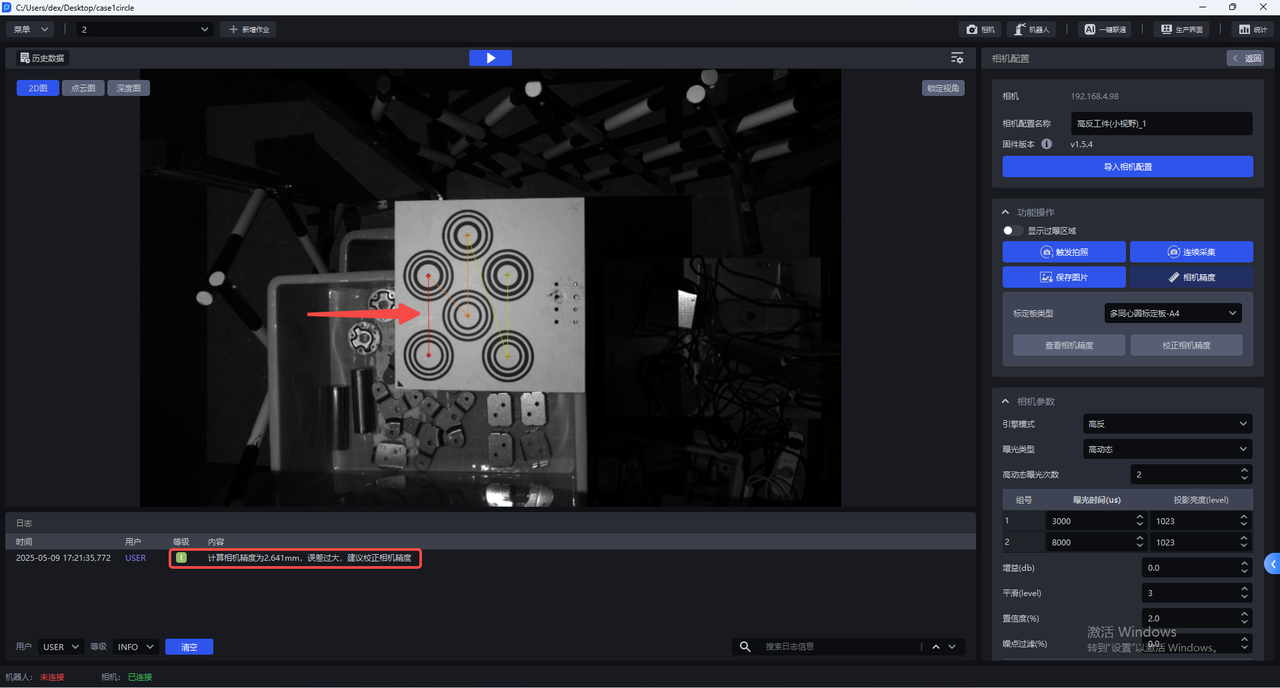
Camera Accuracy. PickWiz will automatically calculate the current Camera accuracy. If the Camera accuracy meets the requirements, directly adjust the Camera imaging parameters; if the Camera accuracy is too large, a pop-up saying "The error is too large. It is recommended to calibrate Camera accuracy" will appear.
For each Camera series, Camera accuracy <Xmm indicates that the accuracy meets the requirements.
XEMA-D:0.2mm
XEMA-S:0.2mm
XEMA-L:0.5mm
FINCH:0.8mm
SPARROW:0.2mm
KINGFISHER:0.8mm
2.3.2 Calibrate Camera Accuracy
During actual Camera use and after Extrinsic Parameter correction, it is necessary to verify whether the current Camera accuracy meets the requirements.
View the Camera accuracy. If the Camera accuracy error is abnormal, the Camera accuracy should be calibrated;
If the Point Cloud Data captured by the current Camera has large undulations, the Camera accuracy should be calibrated.
Before calibrating Camera accuracy, turn on
View Overexposed Areasto check the exposure level of the Camera imaging. If there are overexposed areas, adjust the exposure time of single exposure to ensure normal Camera imaging exposure.After calibration is completed, the Camera imaging parameters should be switched back to the original configuration.
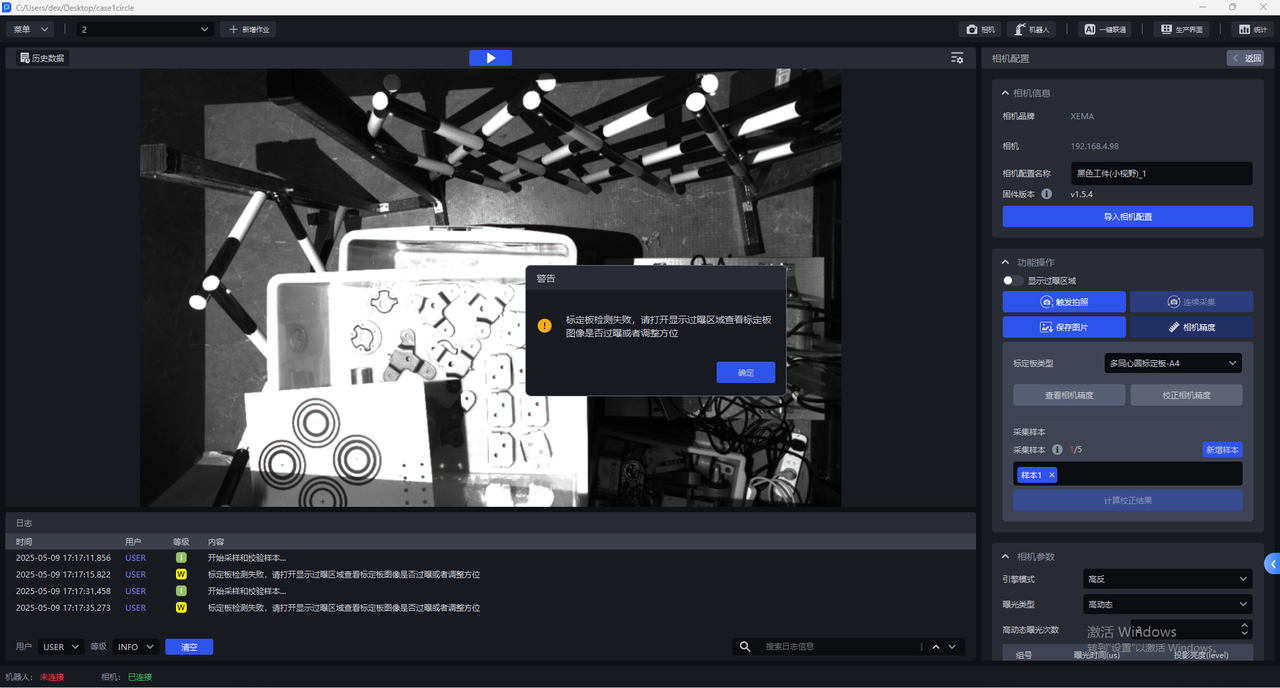
- Click
Camera Accuracyin the Camera configuration interface.
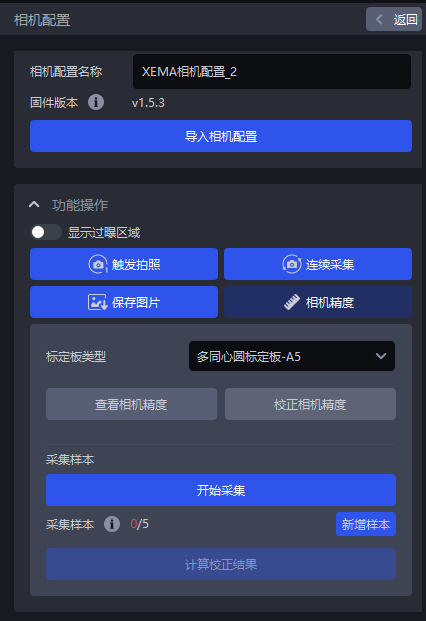
- Select the corresponding Calibration Board. If the selected Calibration Board does not match the actual one, a warning pop-up saying "Please check the Calibration Board type" will appear. As shown below, the actual Calibration Board type is A4. If A3 is selected as the Calibration Board type, a warning pop-up will appear.
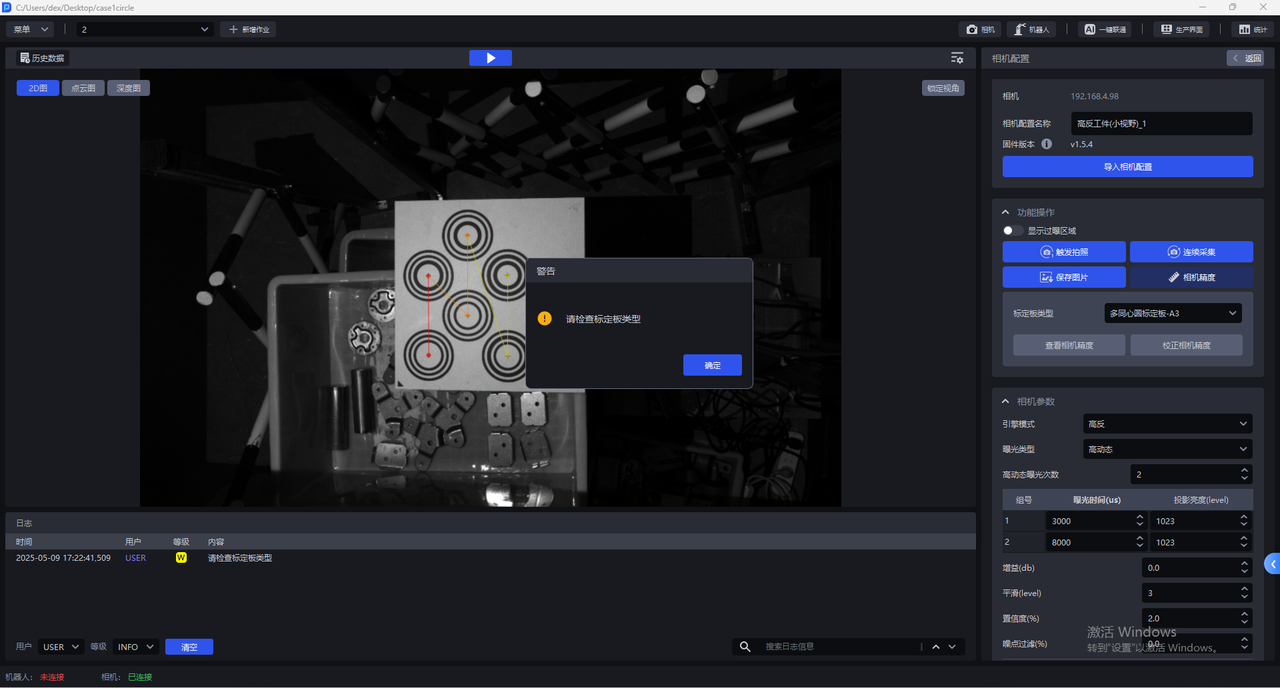
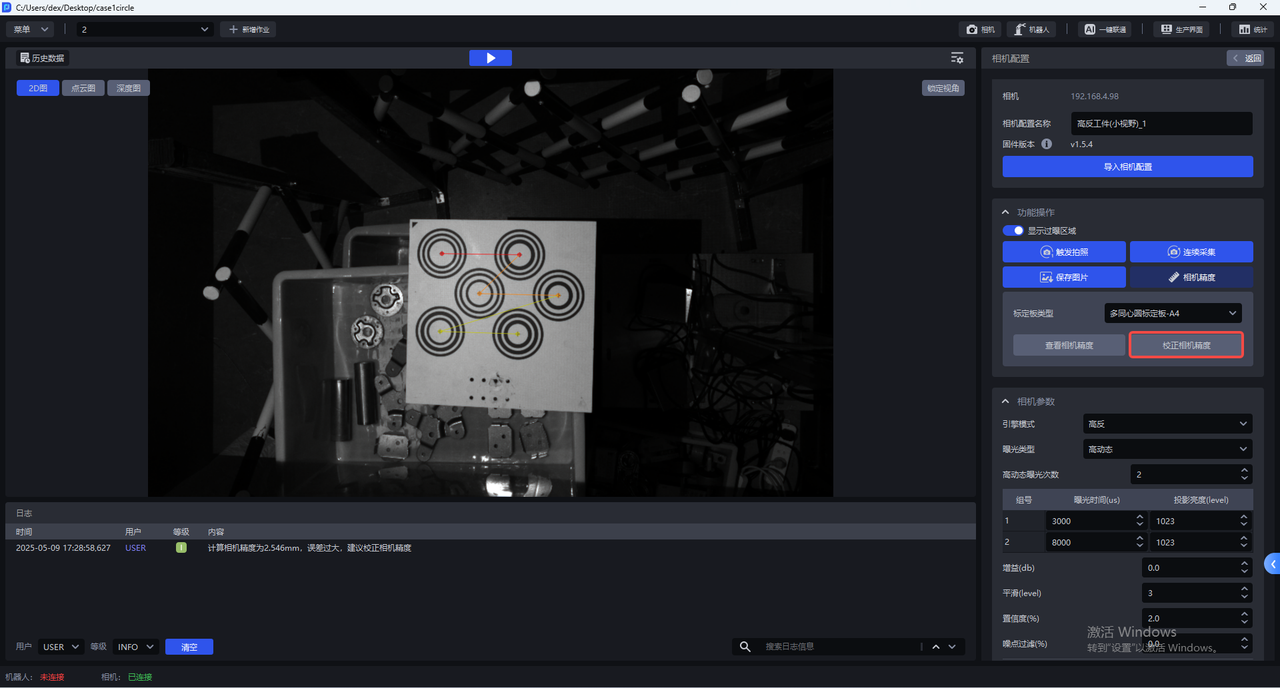
- After selecting the correct Calibration Board type, click
Fix Camera Accuracy.
- Place the Calibration Board horizontally in the center of the Camera field of view, click
Add Sample, and the Camera starts sampling and verifying samples. If the captured sample passes verification, it will be added belowCollected Samples, as shown below.
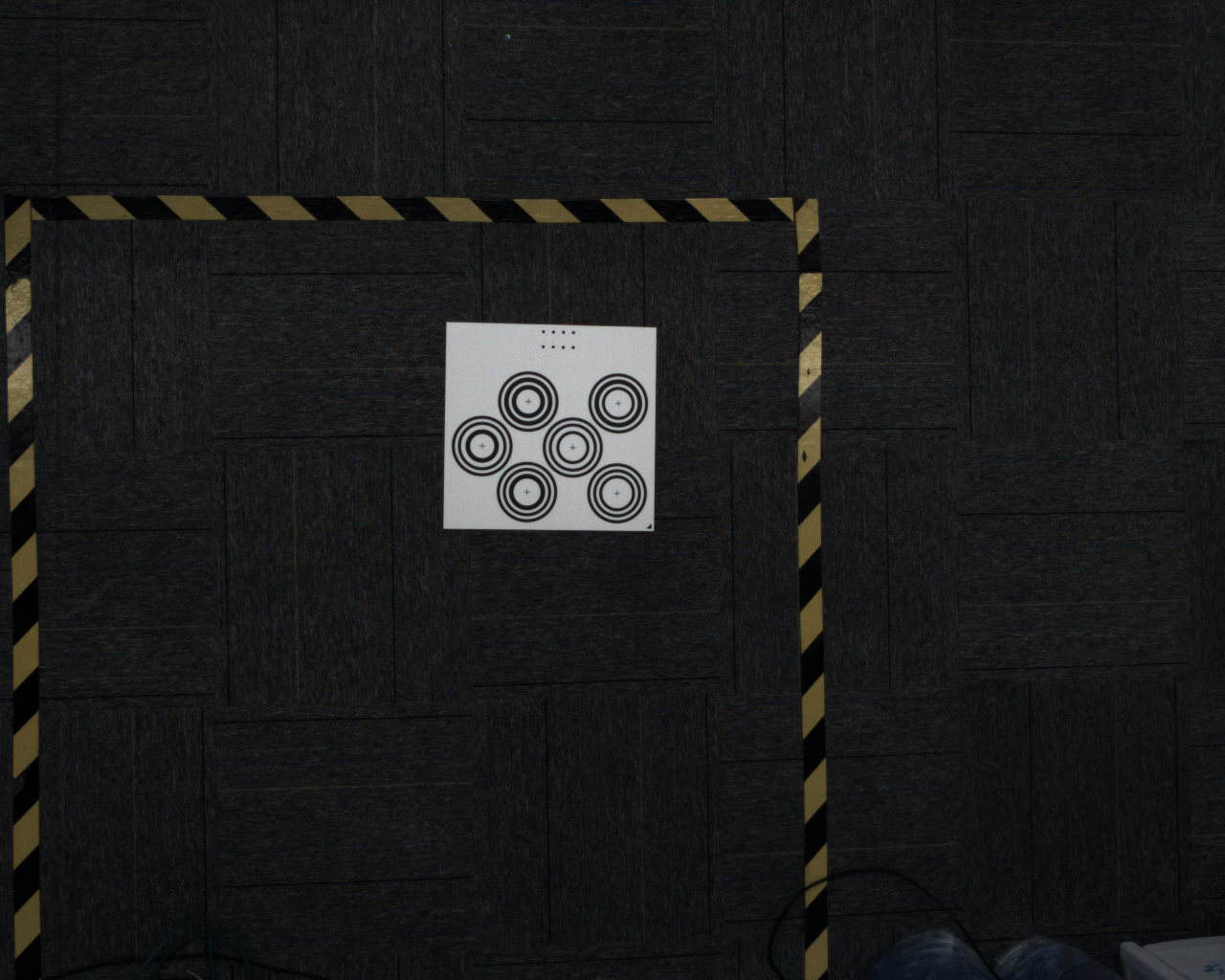
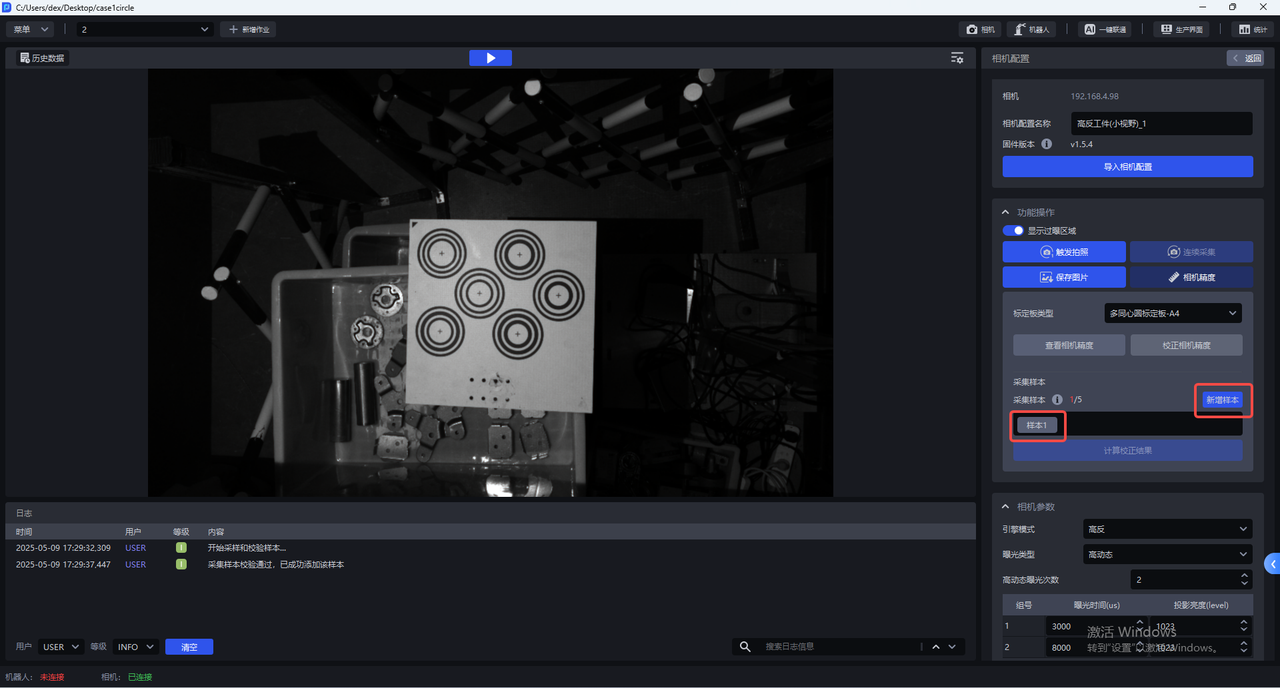
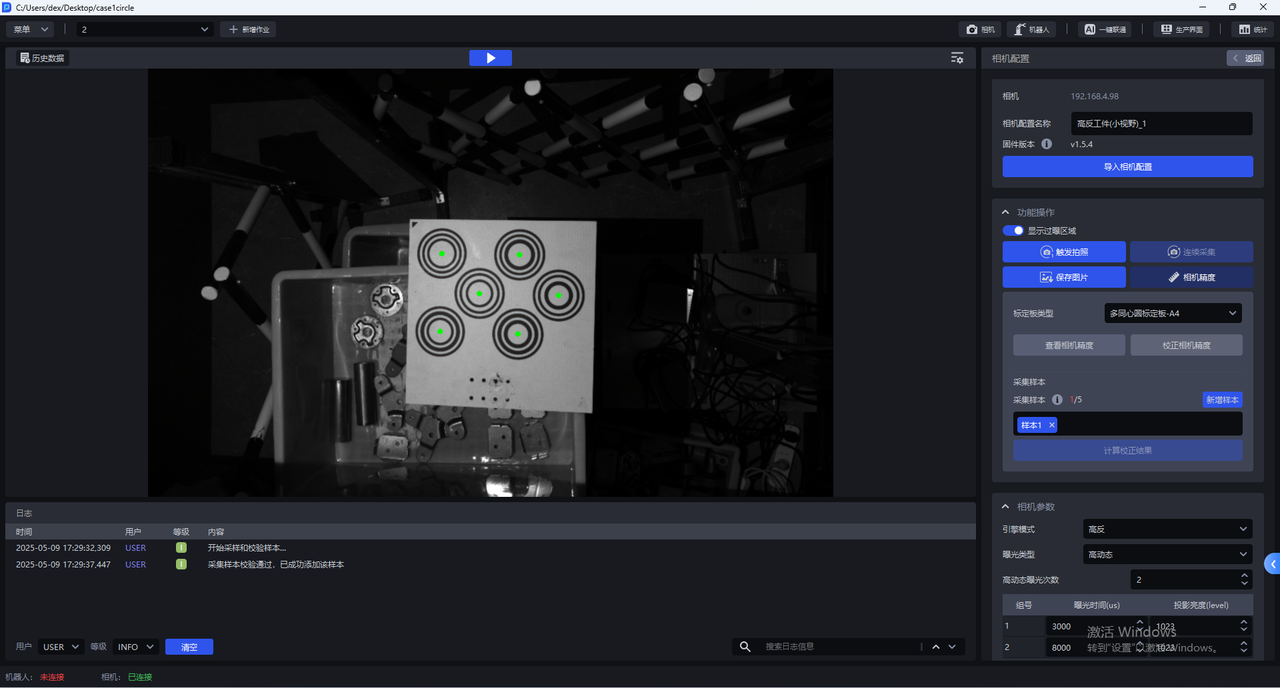
Click Sample x to view the collected sample. For samples that pass verification, the centers of all concentric circles on the Calibration Board turn green.
- Move the Calibration Board to the 4 corners within the Camera field of view and add samples.
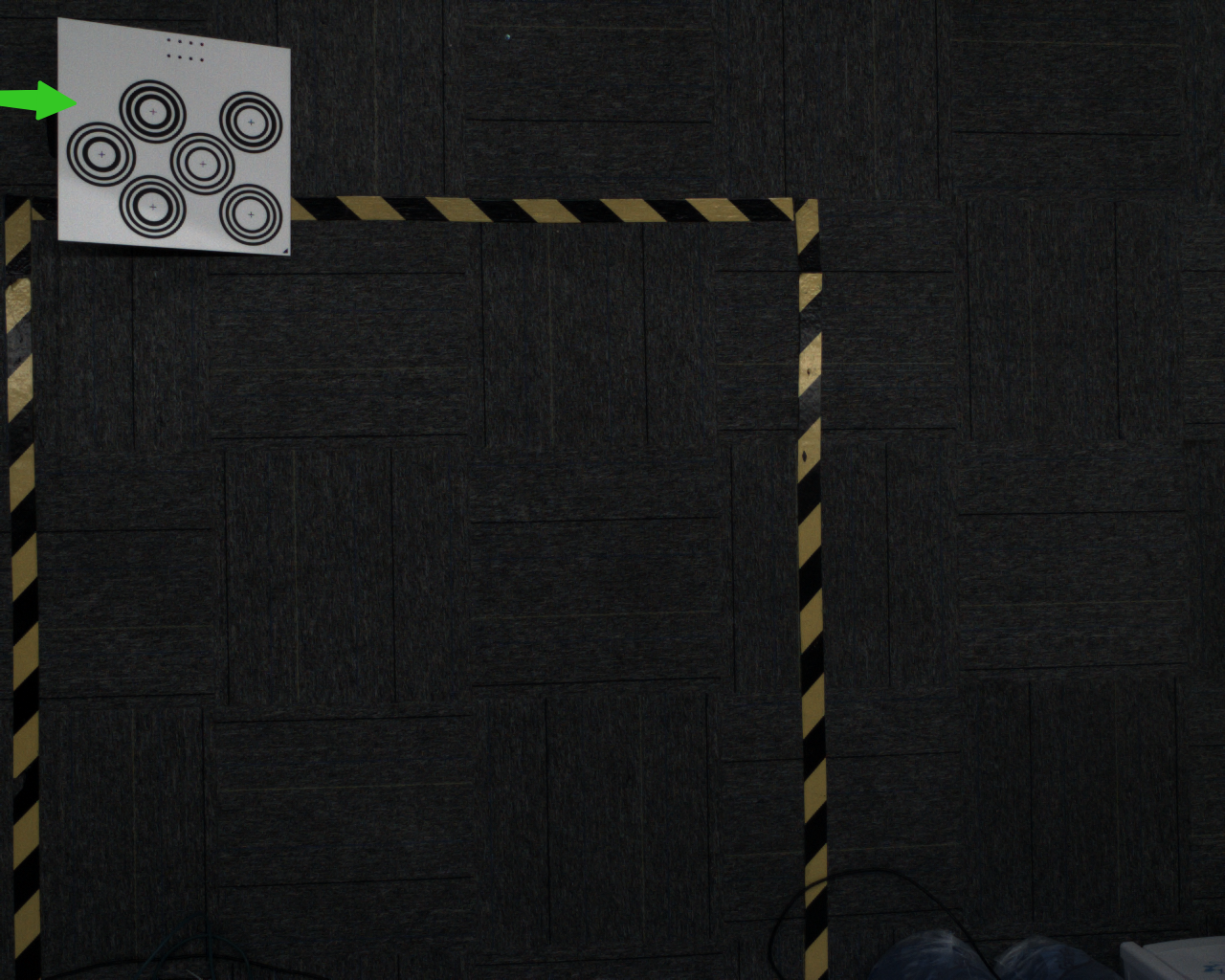
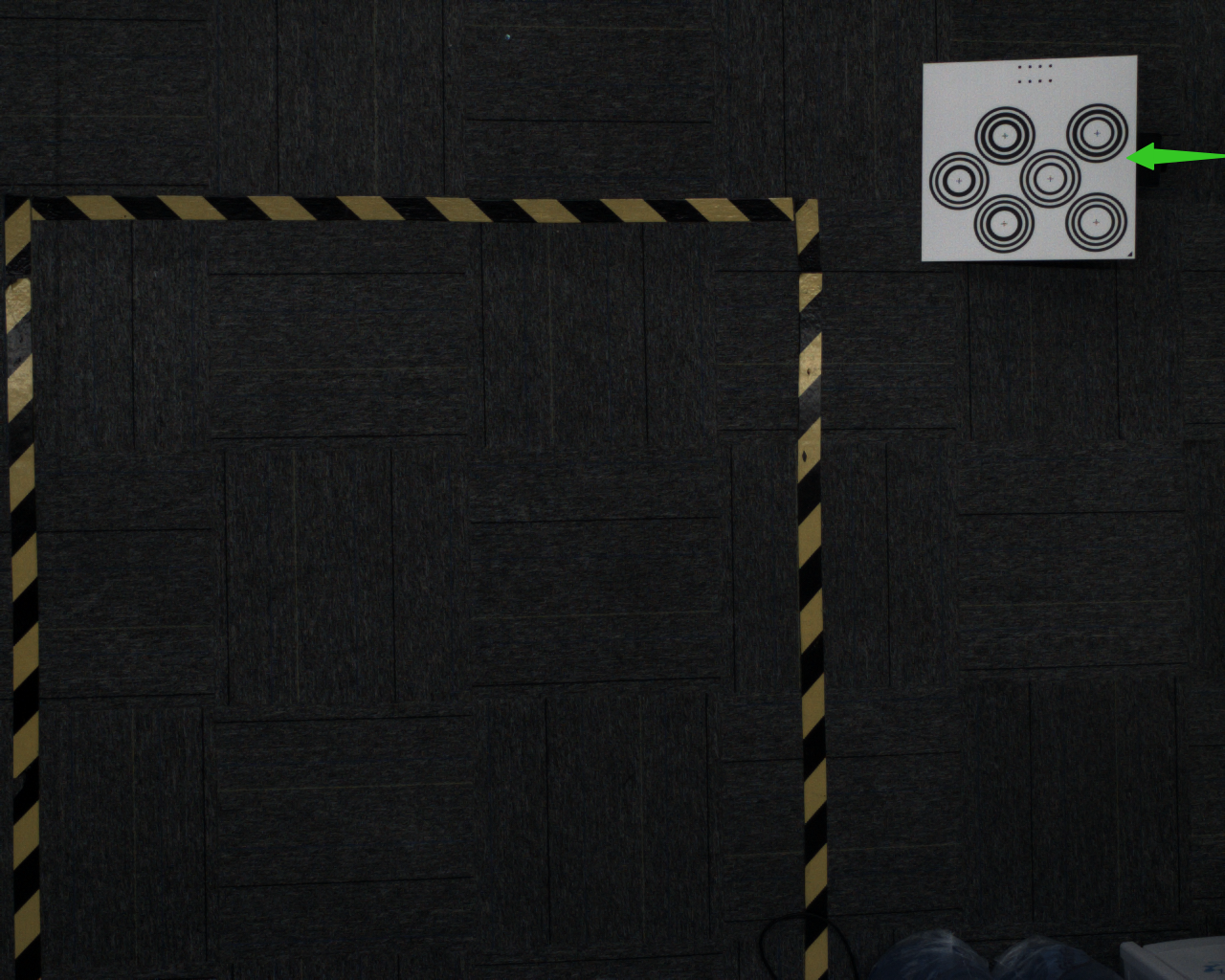
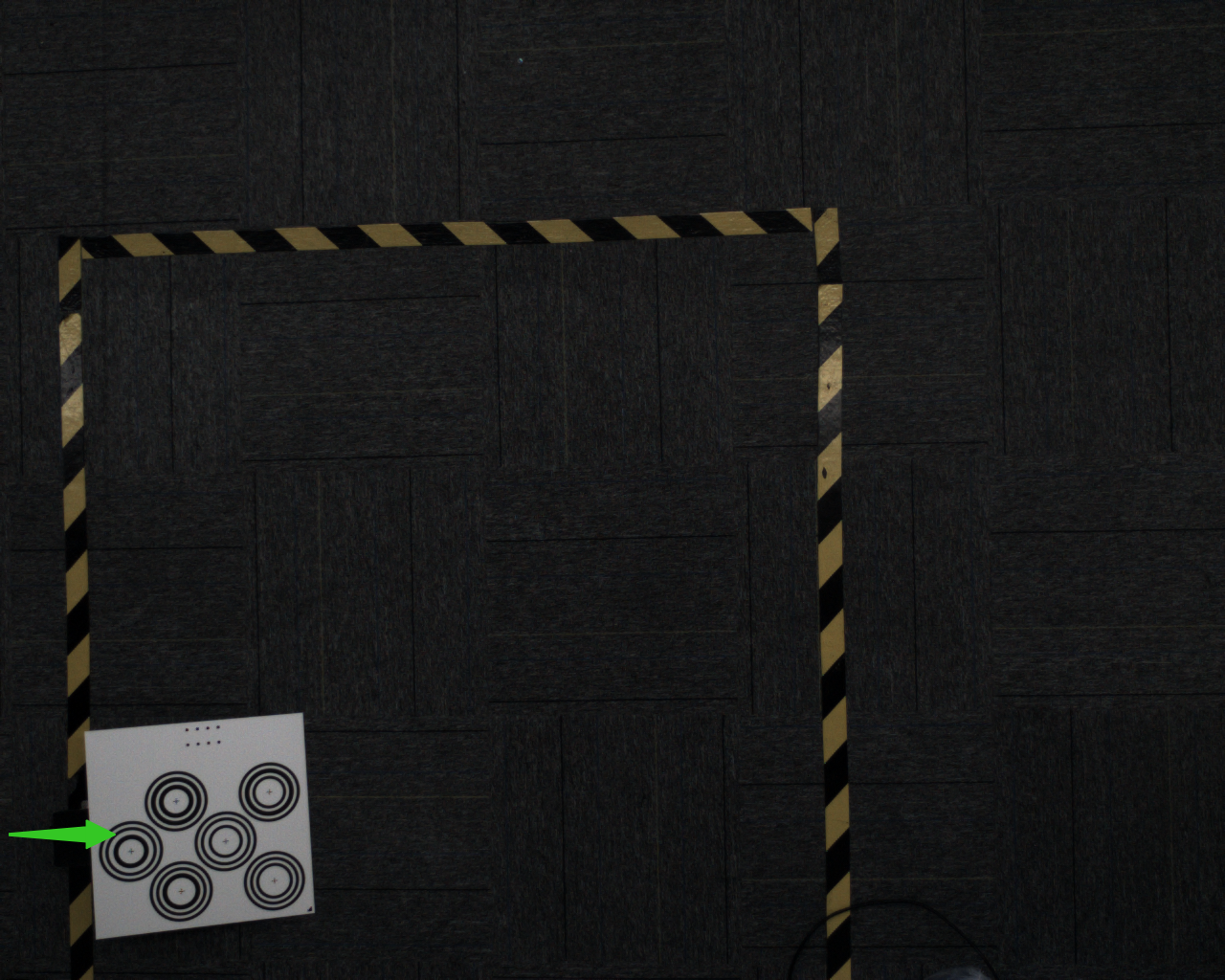
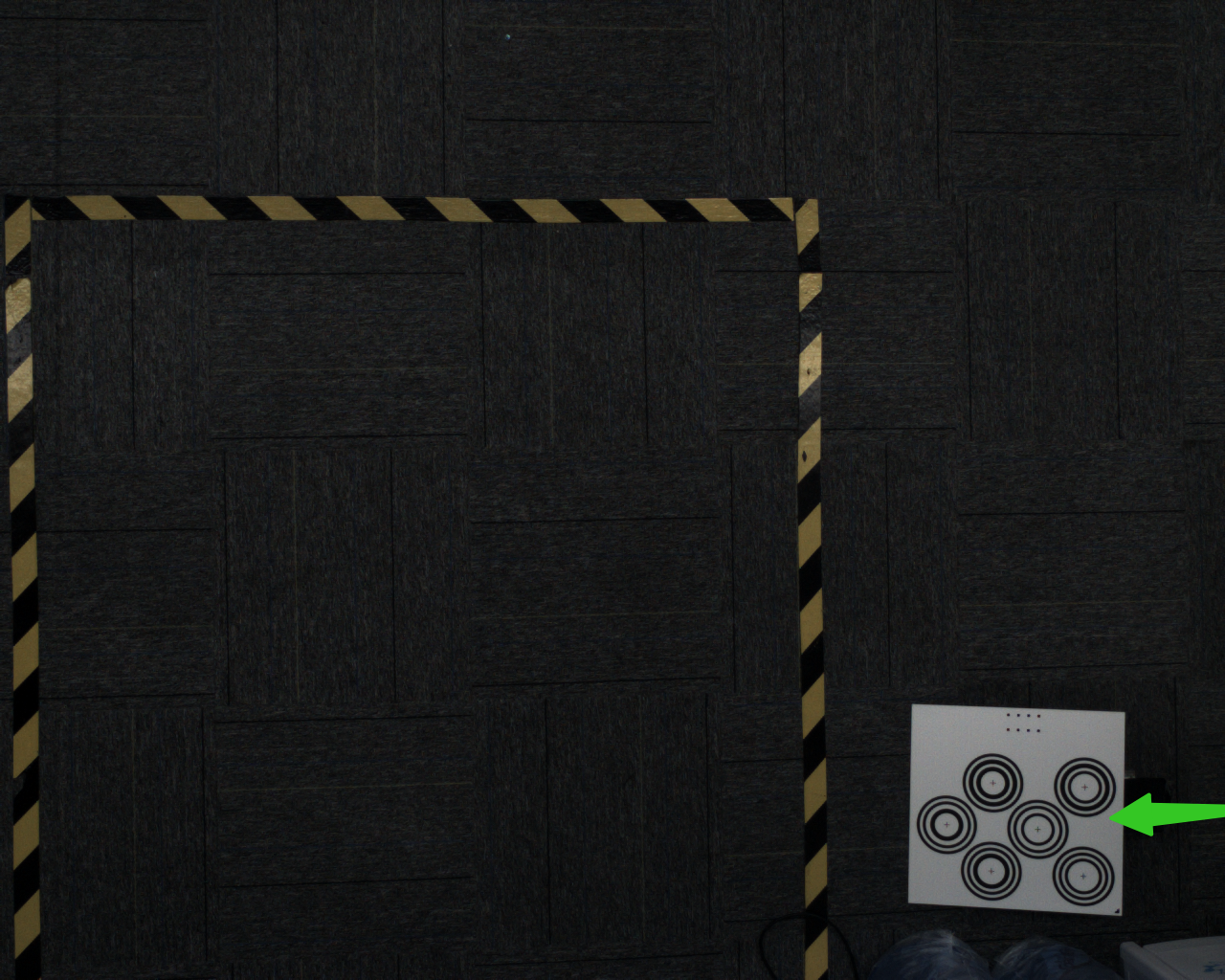
At each corner, prop up the Calibration Board at an angle. The placement angle of the Calibration Board should be 15-30°, and the tilt angle should not be too large or too small.
- After adding 5 samples, click
Calculate Result.
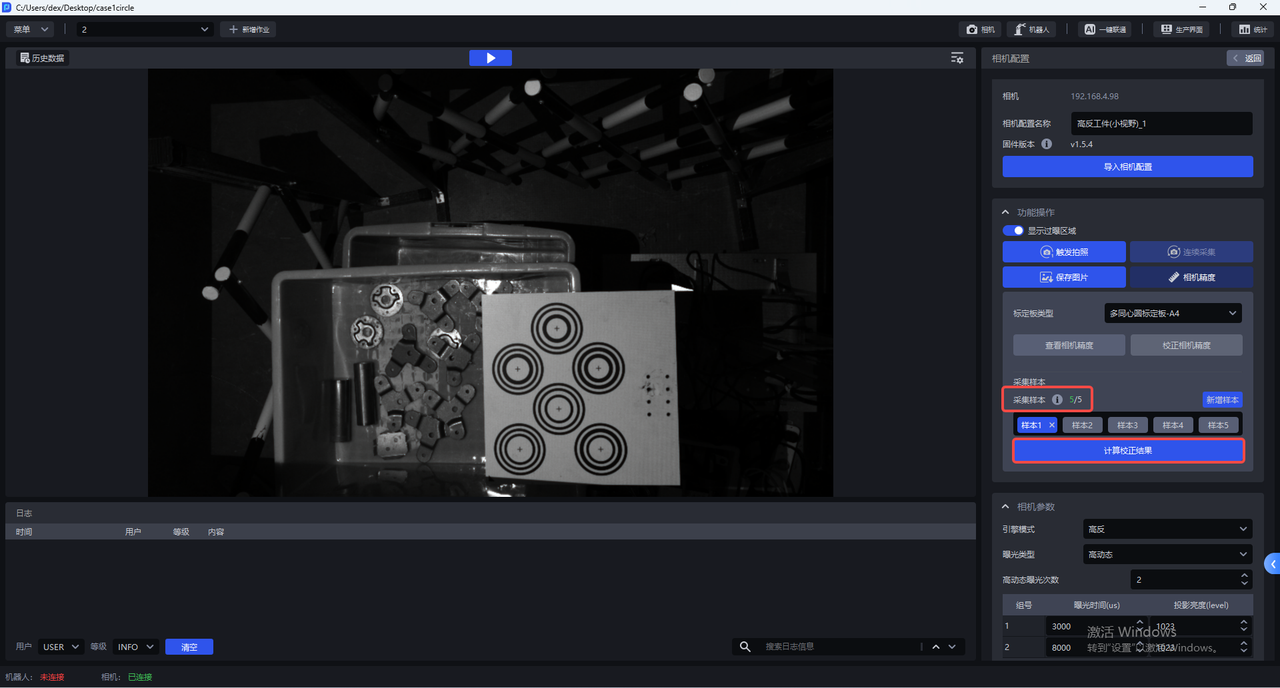
- After calibration is completed, a prompt saying "Camera accuracy calibration completed. The calibrated accuracy is x, the error is normal. Do you want to overwrite the current Camera parameter configuration" will pop up.
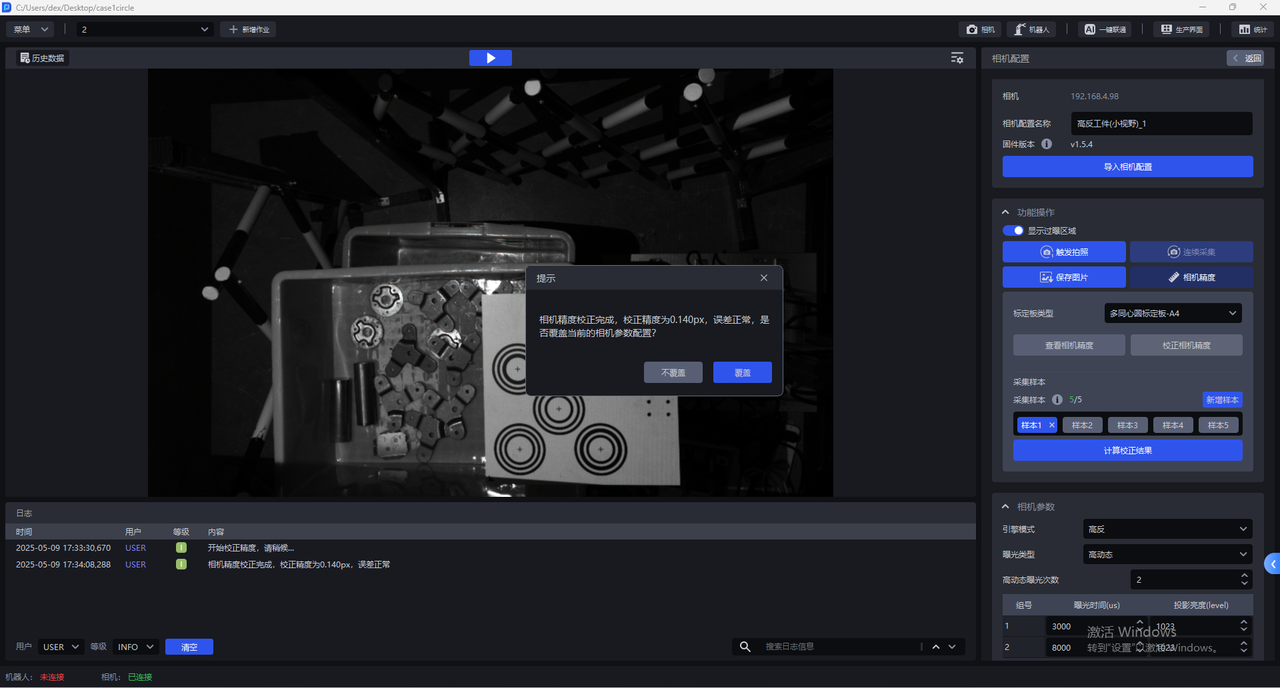
If you choose to overwrite the current Camera parameter configuration, the Camera accuracy calibration result will be updated to the Camera, and the Camera must be restarted for it to take effect.
3. Camera Parameter Adjustment
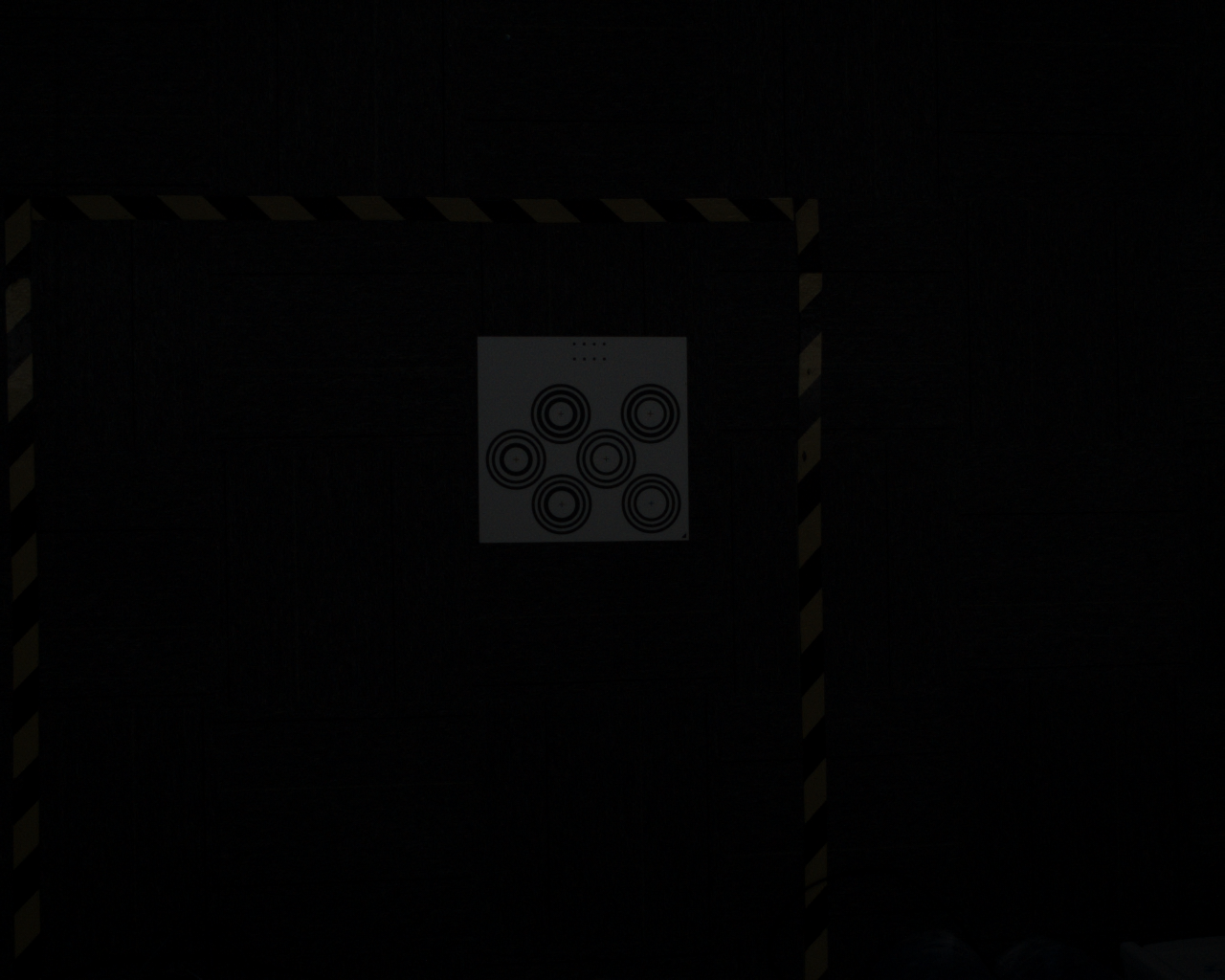
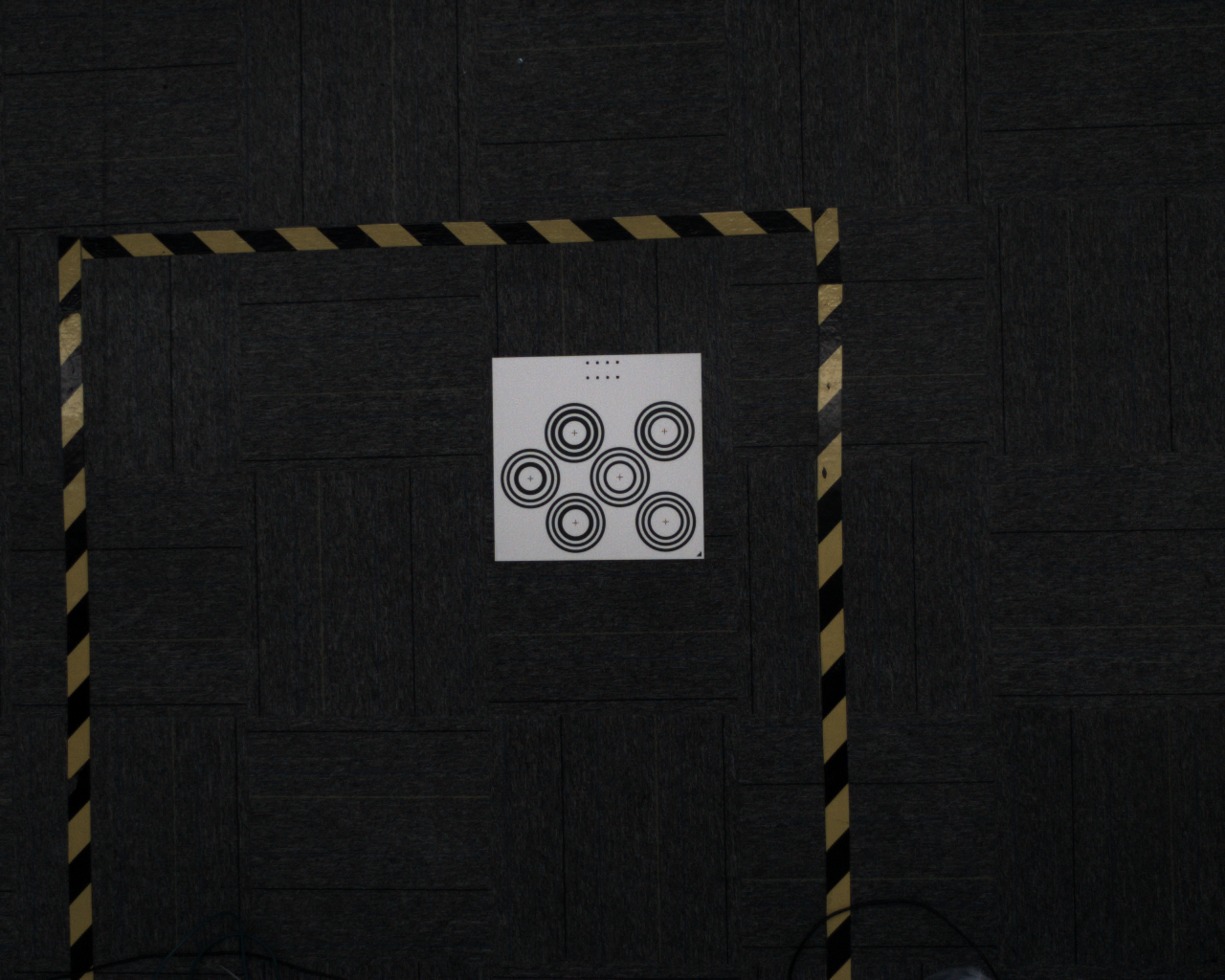
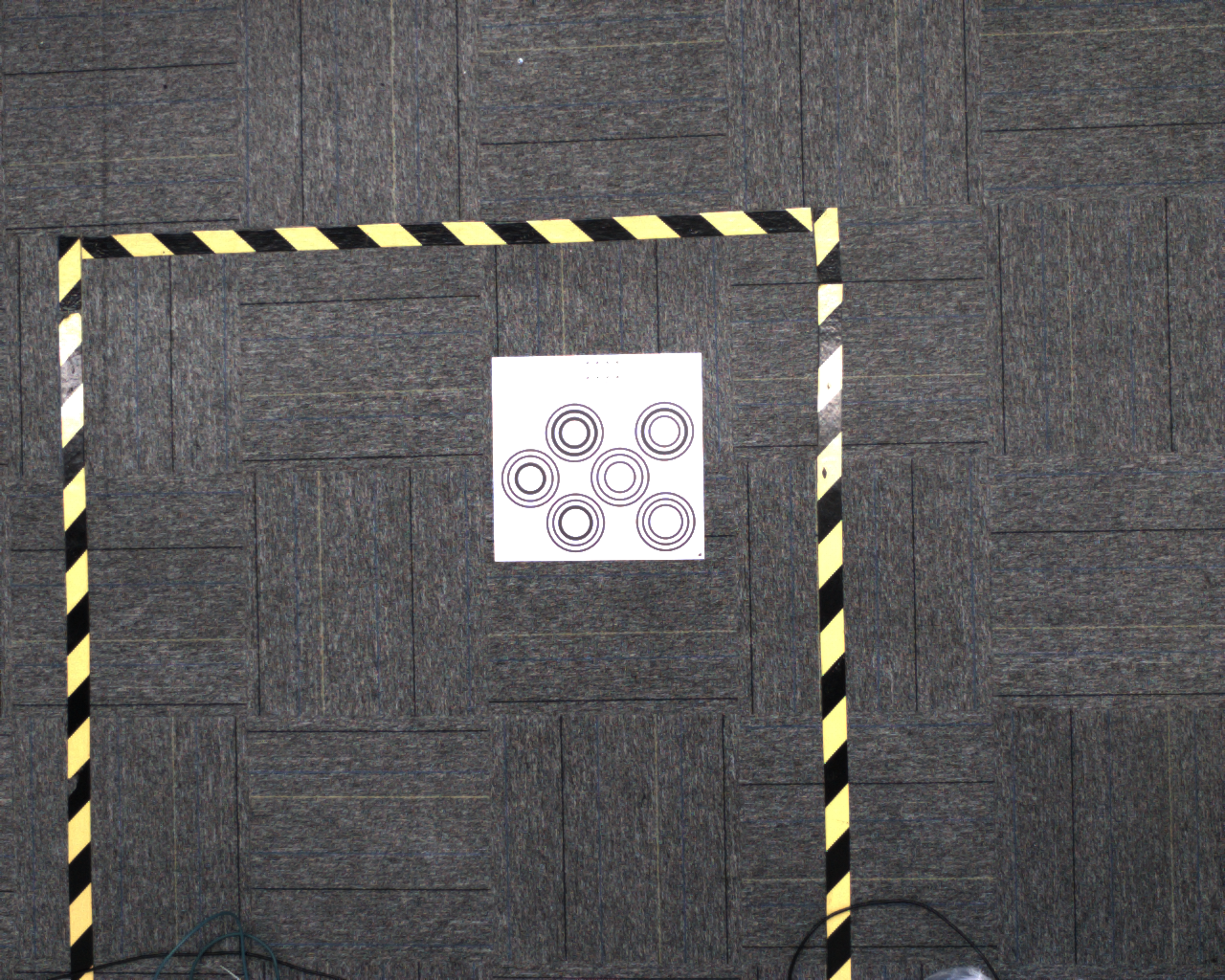
The default Camera configuration cannot adjust Camera parameters. The newly added Camera configuration requires parameter adjustment to ensure clear Camera imaging with normal exposure.
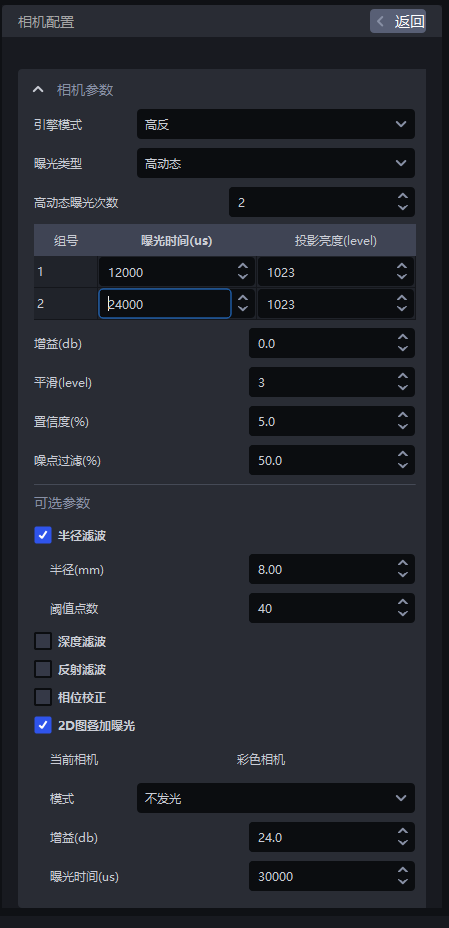
3.1 Required Parameters
3.1.1 Engine Mode
| Engine Mode | Description |
|---|---|
| General | Suitable for general Target Objects |
| High Reflective | Suitable for highly reflective Target Objects |
| Black | Suitable for black Target Objects |
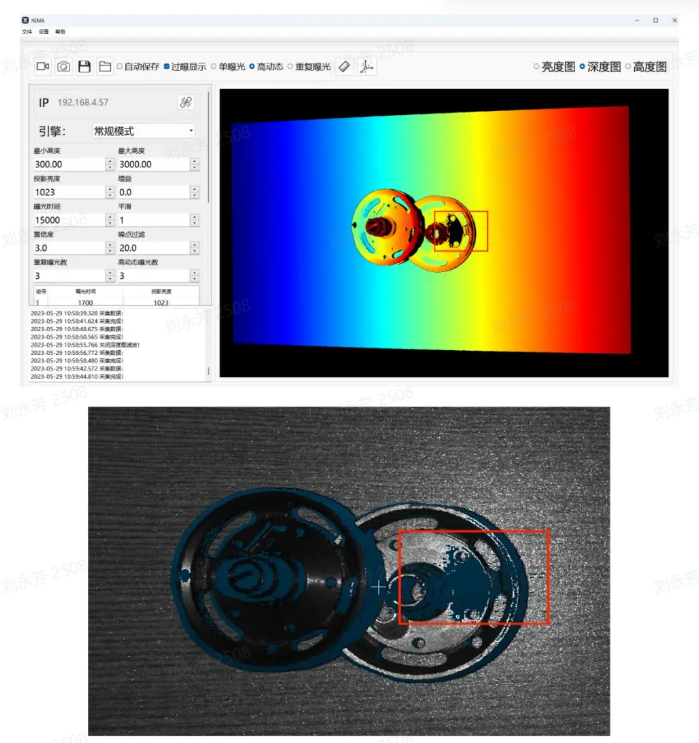
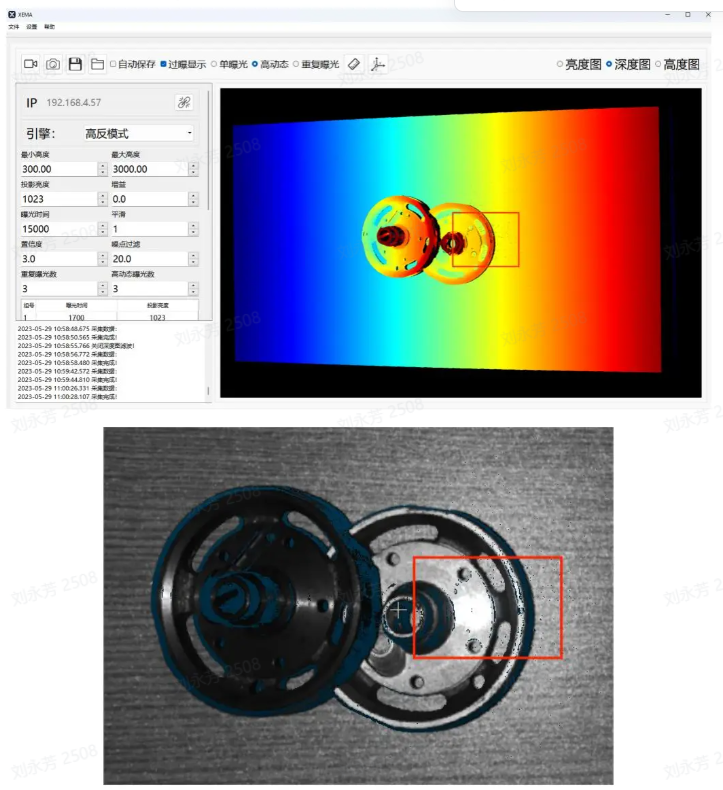
3.1.2 Exposure Type
(1) Single Exposure
Single exposure can be used for Target Objects with normal texture.
(2) HDR
For highly reflective Target Objects, the HDR function can be used for Point Cloud fusion.
High Dynamic Range Imaging (HDRI or HDR for short) is a set of technologies used to achieve a wider exposure dynamic range (a greater contrast between light and dark) than ordinary digital imaging technology.
HDR makes image layers more distinct and the contrast between light and dark more obvious (especially for reflective Target Objects).
Parameter adjustment suggestion: When using HDR, you can select the number of HDR exposures according to the specific scene and Target Object. The value range is 2~6, and the default is 2. If the 3D Point Cloud quality and 2D image quality are poor, increase the number of groups so the object is exposed multiple times to achieve the best imaging quality.
It is recommended to use fewer HDR exposures while still meeting Point Cloud quality requirements.
(3) Repeated Exposure
For black Target Objects, repeated exposure can be used to optimize the Point Cloud through multiple exposures.
This is the number of times the Camera repeats shooting. Its purpose is to improve the signal-to-noise ratio. The higher the signal-to-noise ratio, the better, because random noise will be suppressed and effective information will increase. The value range is 0~10.
3.1.3 Exposure Time
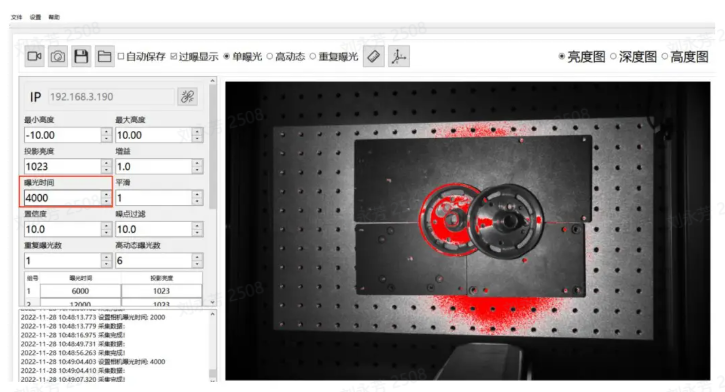
Camera exposure time: Exposure time is the time during which the shutter remains open for the reflected light from the scene to pass through the lens and reach the image sensor material. The longer the exposure time, the more light enters. If the exposure time is too long, overexposure will occur and affect the Point Cloud, so it should be adjusted according to the actual situation.
Range: 1700-100000
Exposure time and projection brightness form one group. Each HDR exposure group is one group, and an appropriate exposure time and projection brightness value should be set for each group.
Exposure time: Exposure time is the amount of time light enters the Camera while the shutter is open. The longer the exposure time, the more light enters, and the clearer the image.
If the exposure time is too long, overexposure will occur. You can turn on Overexposed, and the red part indicates the overexposed area.
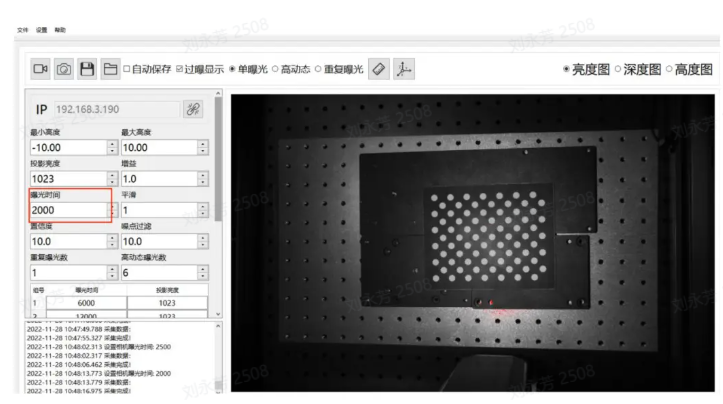
3.1.4 Projection Brightness
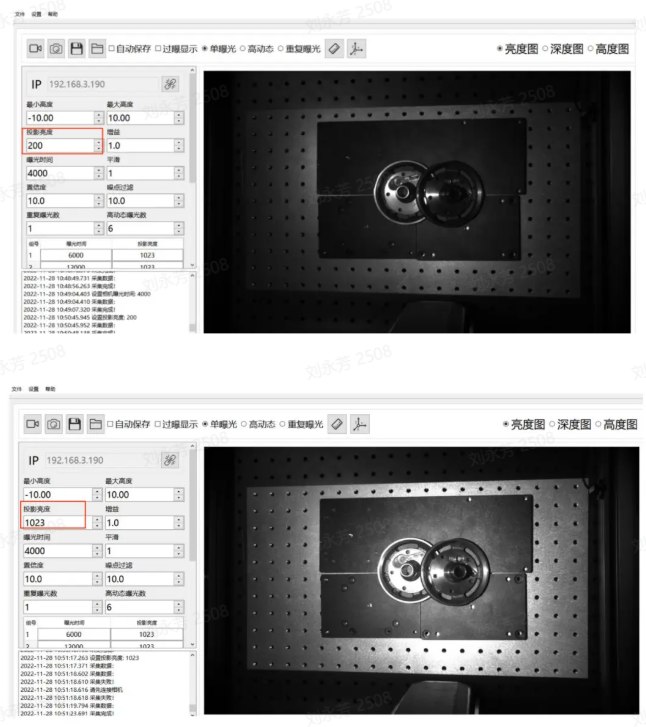
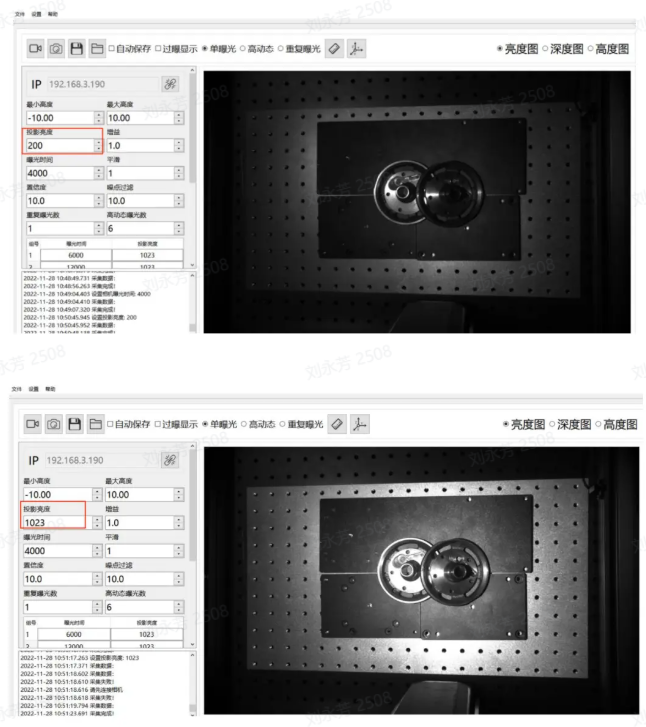
Projection brightness refers to the intensity of the projected light. The greater the light intensity, the brighter and clearer the image. Within a certain range, the human eye feels the image is clearer because of higher brightness. If this limit is exceeded, excessive brightness will make the image impossible to see clearly.
Range: 0-1023
The larger this value is, the greater the projection brightness is, which can effectively improve the signal-to-noise ratio. It is recommended to use the maximum value. Only consider reducing this value if the exposure time has been adjusted to the minimum and overexposure still occurs.
Note: It is recommended to adjust the brightness to 1023.
3.1.5 Gain
Adjusts image brightness.
Range: 0-24
The gain value of the 2D Camera can be adjusted and should be increased appropriately. As gain increases, noise also increases.
3.1.6 Smooth
Range: 0-5
Smooth the Point Cloud to remove noise.
3.1.7 Confidence
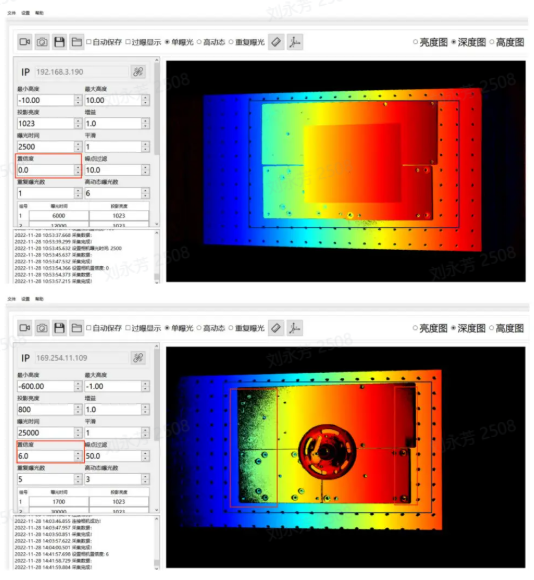
Confidence indicates the degree of reliability. It will perform an initial screening of the Point Cloud. Generally, 2-5 is sufficient, and customers can adjust it according to onsite conditions.
Lowering Confidence retains more black areas in the depth image; conversely, increasing Confidence removes black noise in the depth image.
Range: 0-100
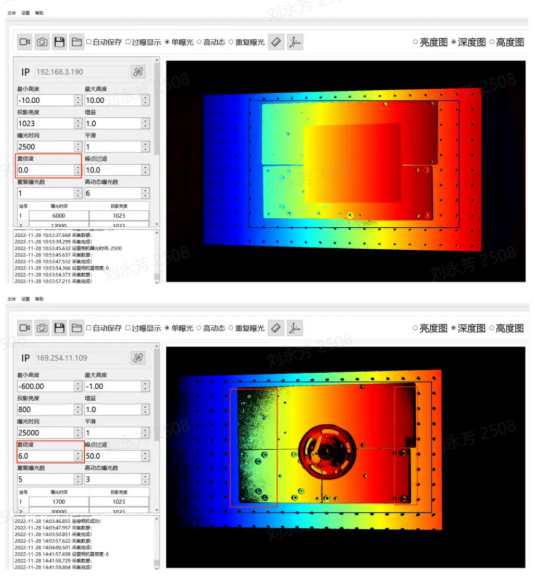
3.1.8 Noise Filter
Range 0-100
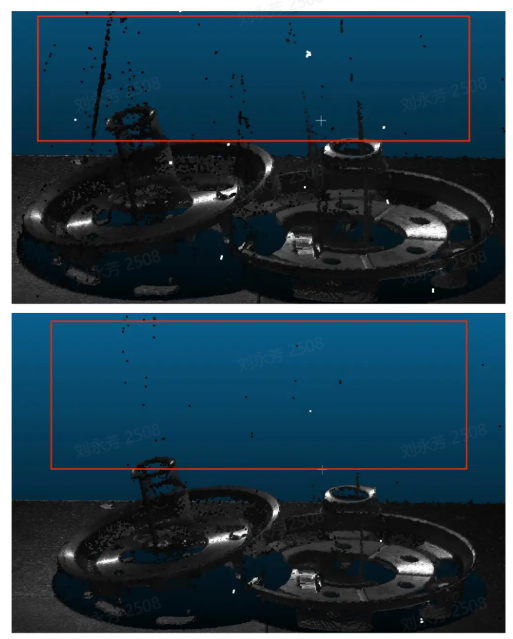
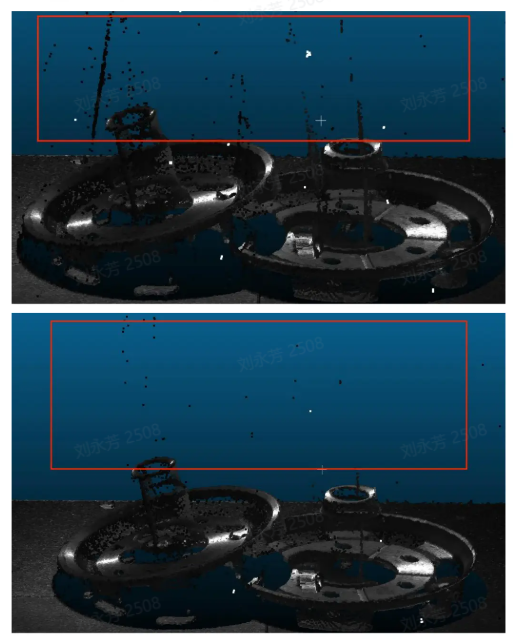
When recognizing metal, aluminum foil surfaces, reflective films, and smooth-surface objects, specular reflection causes locally excessive reflected light, resulting in the loss of the object's original information and interfering with Pickwiz recognition and image detection. Increasing the noise filtering value can eliminate the generated noise and preserve the object's original information.
3.2 Optional Parameters
3.2.1 Radius Filter
Radius value range: 0.00-99.99
Threshold value range: 0-99
For each point in the Point Cloud, determine a sphere with radius r. If the number of points inside the sphere is smaller than the threshold, it is considered a noise point and should be removed.
3.2.2 Depth Filter
Filters suspended noise points along the Z-axis direction. The larger the threshold, the more obvious the filtering effect. For a filtering method based on the depth image, a threshold of 33 is recommended at a distance of 1000mm.
Range: 0-100
3.2.3 Reflection Filter
Filters vertical-surface noise caused by mutual metal reflections. The larger the threshold, the more obvious the filtering effect.
Range: 0-100
3.2.4 Phase Correction
Phase correction is Point Cloud grayscale compensation, which is a method of correcting grayscale information in 3D Point Cloud data. The purpose of Point Cloud grayscale compensation is to eliminate differences in grayscale values and convert grayscale information in the Point Cloud into values corresponding to the actual surface reflectivity of the object. The larger the threshold, the more obvious the correction effect.
Range: 0-100
Method: First place the Calibration Board and use the plane of the Calibration Board as the reference plane, as shown below.
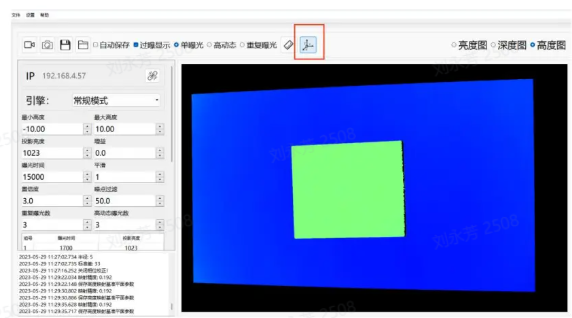
Set the maximum height to 1 and the minimum height to -1 so that only the Calibration Board part is displayed, as shown below.
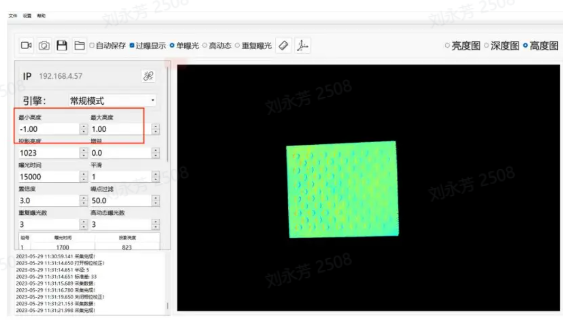
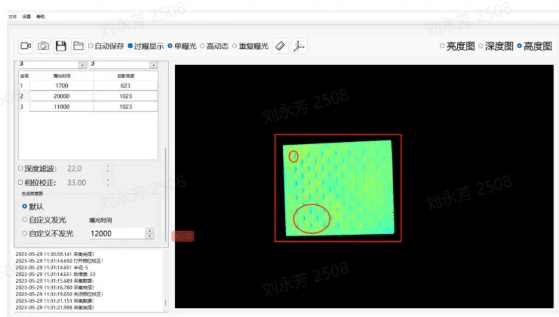
When phase correction is not enabled, the Calibration Board is shown below. In the actual Calibration Board, the entire surface is flat, and there is no height fluctuation between the circles and non-circle parts, but in the actual captured result the circles fluctuate.
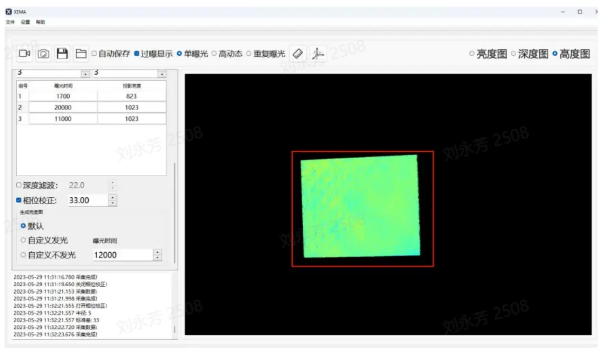
After phase correction is enabled, if the Calibration Board is found to have basically no color difference or only insignificant difference, the correction is successful.
3.2.5 2D Image Overlay Exposure
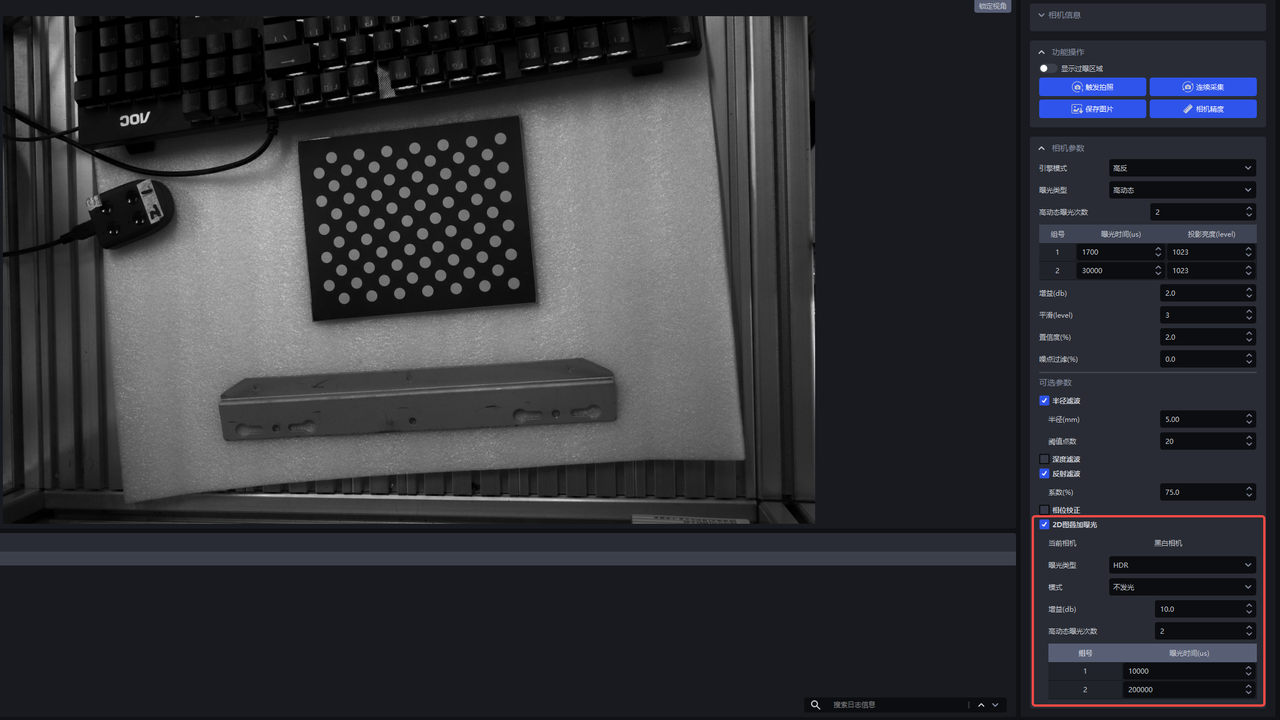
This function can separately overwrite the original 2D image after obtaining the Point Cloud. Sometimes the Point Cloud is good, but the 2D image is too dark or overexposed and does not meet requirements. In this case, 2D overlay exposure can be turned on to overwrite the original 2D image.
Exposure Type: Optional Single Exposure / HDR
Only XEMA and SPARROW Cameras (supporting both color and monochrome Cameras) now support HDR as the exposure type for 2D image overlay exposure parameters, that is, HDR mode.
Mode:
Single Exposure: optional modes are illuminated (supported only by monochrome Cameras) / non-illuminated / auto exposure
Illuminated/non-illuminated: if Illuminated is selected, Exposure Time and Gain can be adjusted manually to make the image brighter; if non-illuminated is selected, it uses the ambient light brightness, and Exposure Time and Gain can also be set manually to make the image brighter.
Auto exposure: the target brightness and maximum Exposure Time can be adjusted to make the image brighter.
HDR: optional mode is non-illuminated
- Only non-illuminated is supported: the number of HDR exposures and HDR exposure time can be adjusted to make the image brighter.
4. Typical Cases
This section uses ordinary objects, black objects, and metal mirror-reflective Target Objects as examples to explain how to capture a clear and complete Point Cloud. The parameters are not absolute and can be fine-tuned according to the working environment.
4.1 Ordinary Objects
When shooting ordinary objects, without overexposure we should increase projection brightness and Exposure Time as much as possible to achieve the best shooting effect. First set the projection brightness to the maximum 1023, the Exposure Time to the minimum 20000, and Confidence to 10 to retain depth information. At this time, no overexposure is found in the brightness image. However, the black area marked in the height map is not displayed (the cat ear position in the captured image).
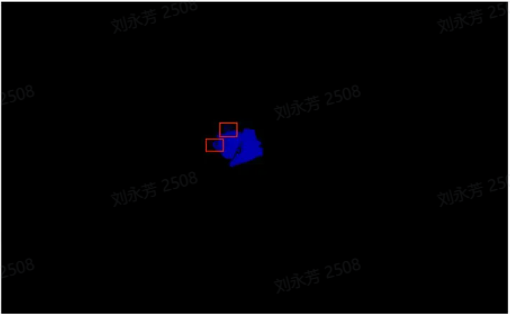
At this time, the number of repeated exposures can be increased to add effective information. For example, set it to 6. If the brightness image is slightly dark at this time, the Exposure Time can be increased appropriately, such as from 20000 to 22000 here. Increasing it further will cause overexposure, so be careful.
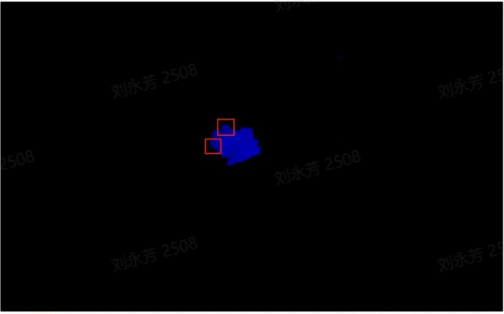
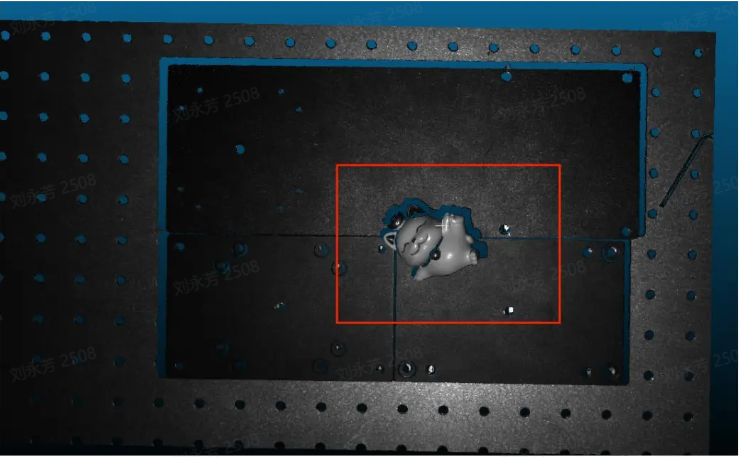
The final effect is shown below:
4.2 Black Objects (Repeated Exposure)
When shooting black objects, such as a pure black sponge, first set the projection brightness to the maximum 1023 and the Exposure Time to 35000. If the image is not bright enough, the Exposure Time can also be increased without overexposure. As shown below.
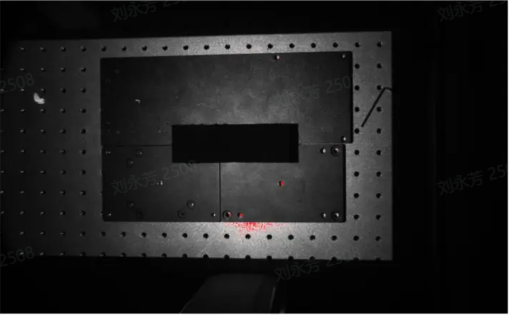
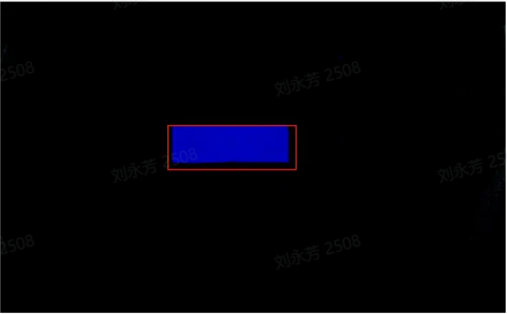
However, it is found that there is a lot of random noise in the sponge on the height map. At this time, increase the number of repeated exposures to 5 in order to improve the signal-to-noise ratio, so that random noise will be suppressed and effective information will increase. As shown below:
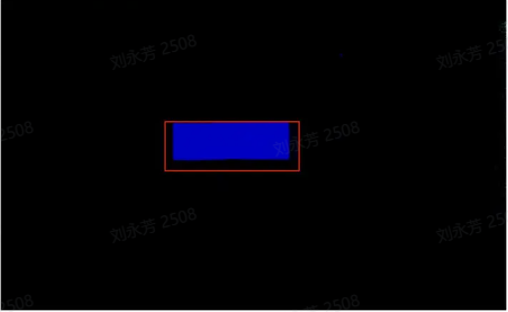
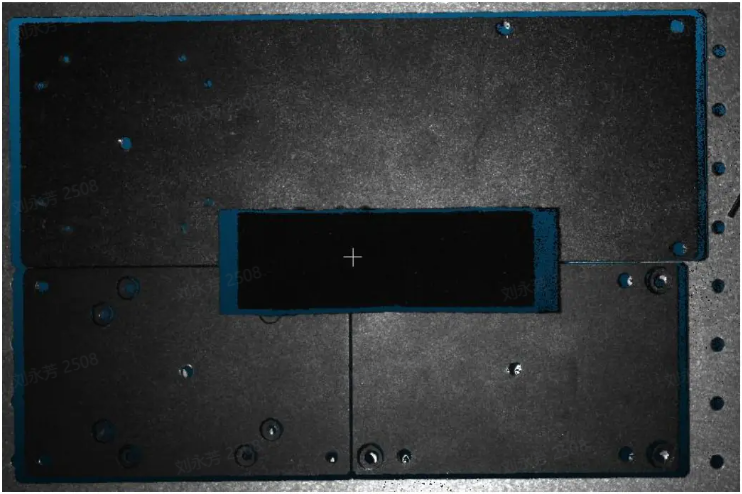
Final Point Cloud result:
Recommended parameters (for indoor illumination conditions, for reference only, can be fine-tuned): use repeated exposure.
Projection brightness: 1023, Exposure Time: 35000, repeated exposures: 5
Confidence: 0, noise filtering: 0
4.3 Metal Mirror-Reflective Target Objects (HDR)
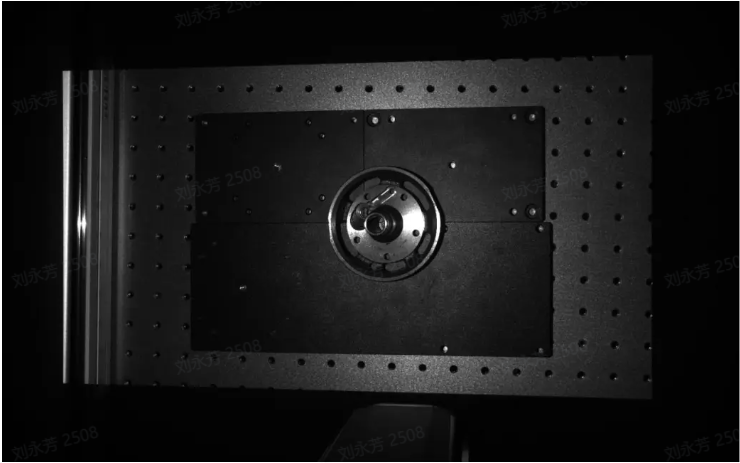
When detecting metal, aluminum foil surfaces, reflective films, and smooth-surface objects, specular reflection can cause locally excessive reflected light, resulting in the loss of the object's original information. In the actual operating environment, the number of exposures can be selected according to the object's layers. As shown below, there are a Target Object, a black plate, and a perforated platform, so the number of exposures can be selected as 3.
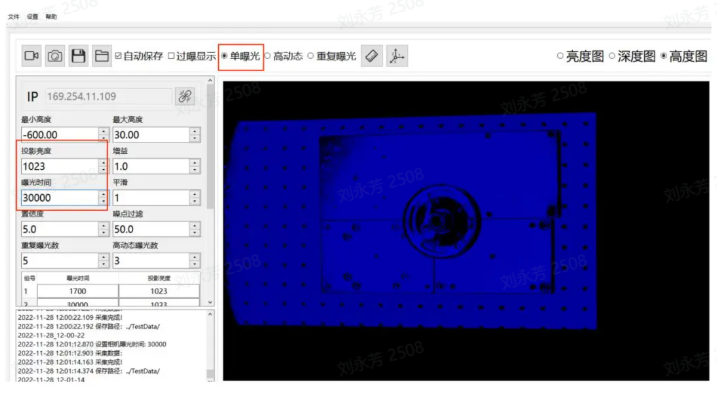
Step 1: First set the projection brightness to the maximum 1023 and the Exposure Time to 30000, with the purpose of obtaining the depth information in the darkest areas (Confidence is 5, noise filtering is 50). This can be used as one group of exposure data under HDR. Without HDR enabled, in the height map, as shown below, you can see the depth information of the outermost black plate.
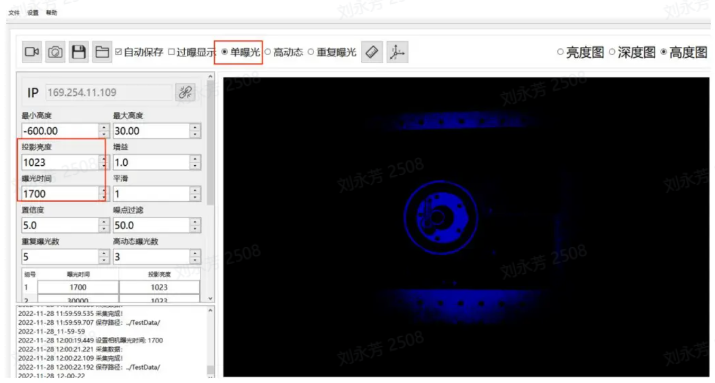
Step 2: To obtain the depth information in the brightest areas, display the depth information of the missing part of the Target Object (the brightest part) from Step 1. For example, keep the projection brightness at 1023 and set the Exposure Time to 1700 (Confidence is 5, noise filtering is 50), as one group of exposure data under HDR. Without HDR enabled, in the height map, as shown below, the previously missing information of the Target Object (the brightest part) is successfully displayed.
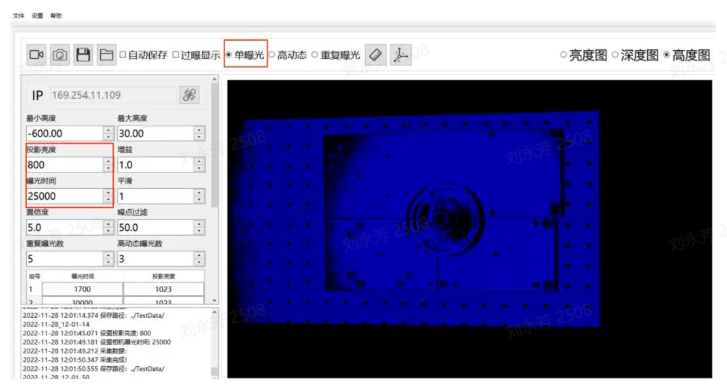
Step 3: Set the projection brightness to an intermediate value between Step 1 and Step 2, which is 800, and the Exposure Time to 25000 (Confidence is 5, noise filtering is 50). This can be used as one group of exposure data under HDR. Without HDR enabled, in the height map, it is shown below.
Step 4: Enable HDR and set the number of exposures to 3. Group 1 data: 1700,1023; Group 2 data: 30000,1023; Group 3 data: 25000,800. Confidence 5, noise filtering 50.
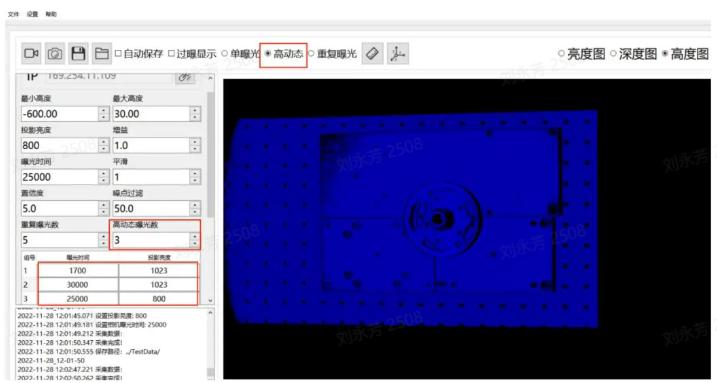
As shown below, a clear and complete PCD image without missing parts can be obtained.
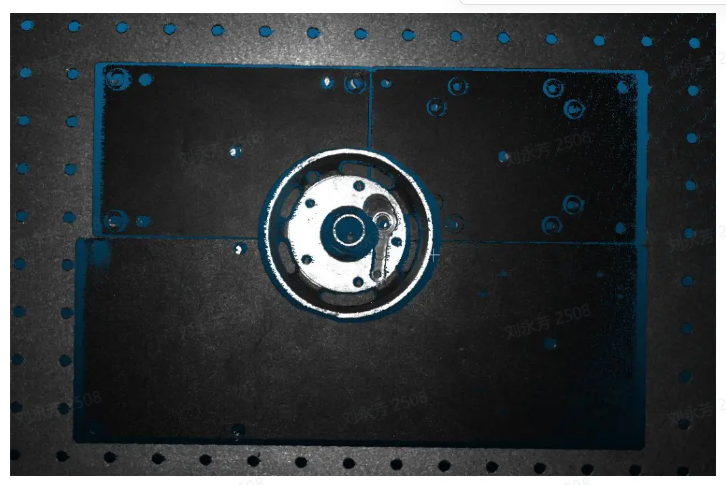
Recommended parameters (for indoor illumination conditions, for reference only, can be fine-tuned)
Use HDR for Engine Mode, number of HDR exposures: 3, noise filtering: 50, Confidence: 5,
Exposure Time and projection brightness: 1、Exposure Time: 1700 Projection brightness: 1023 2、Exposure Time: 30000 Projection brightness: 1023 3、Exposure Time: 25000 Projection brightness: 800