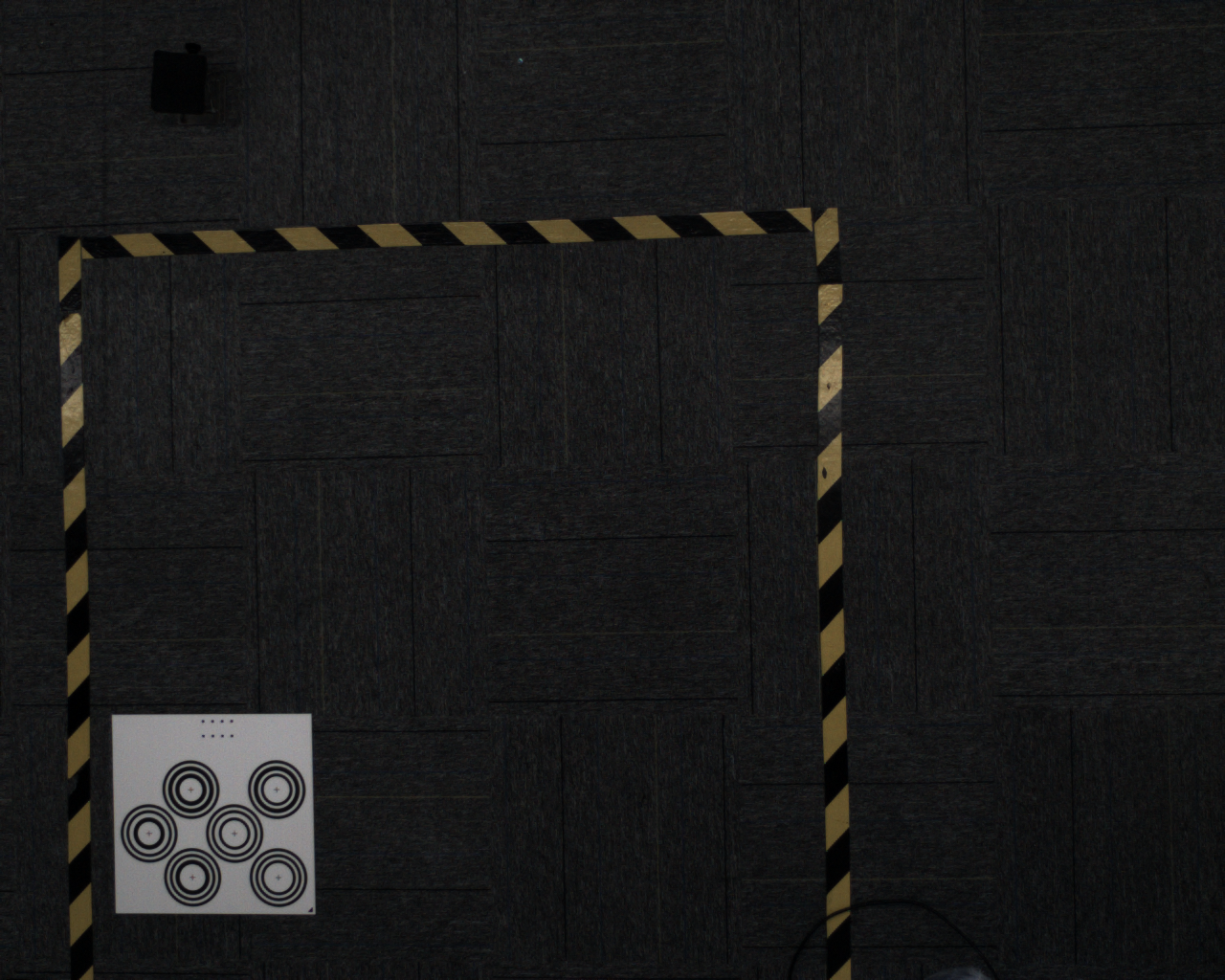
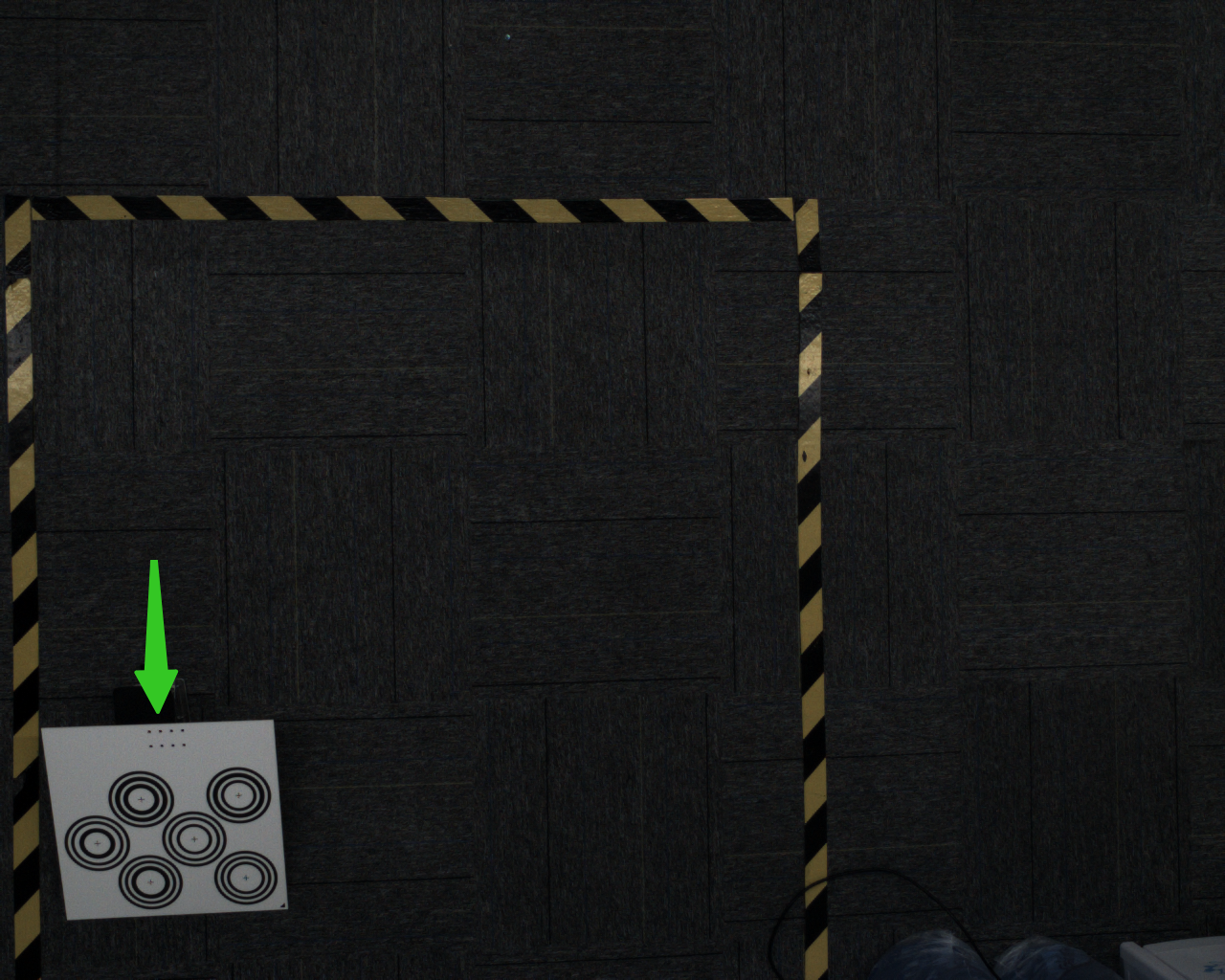
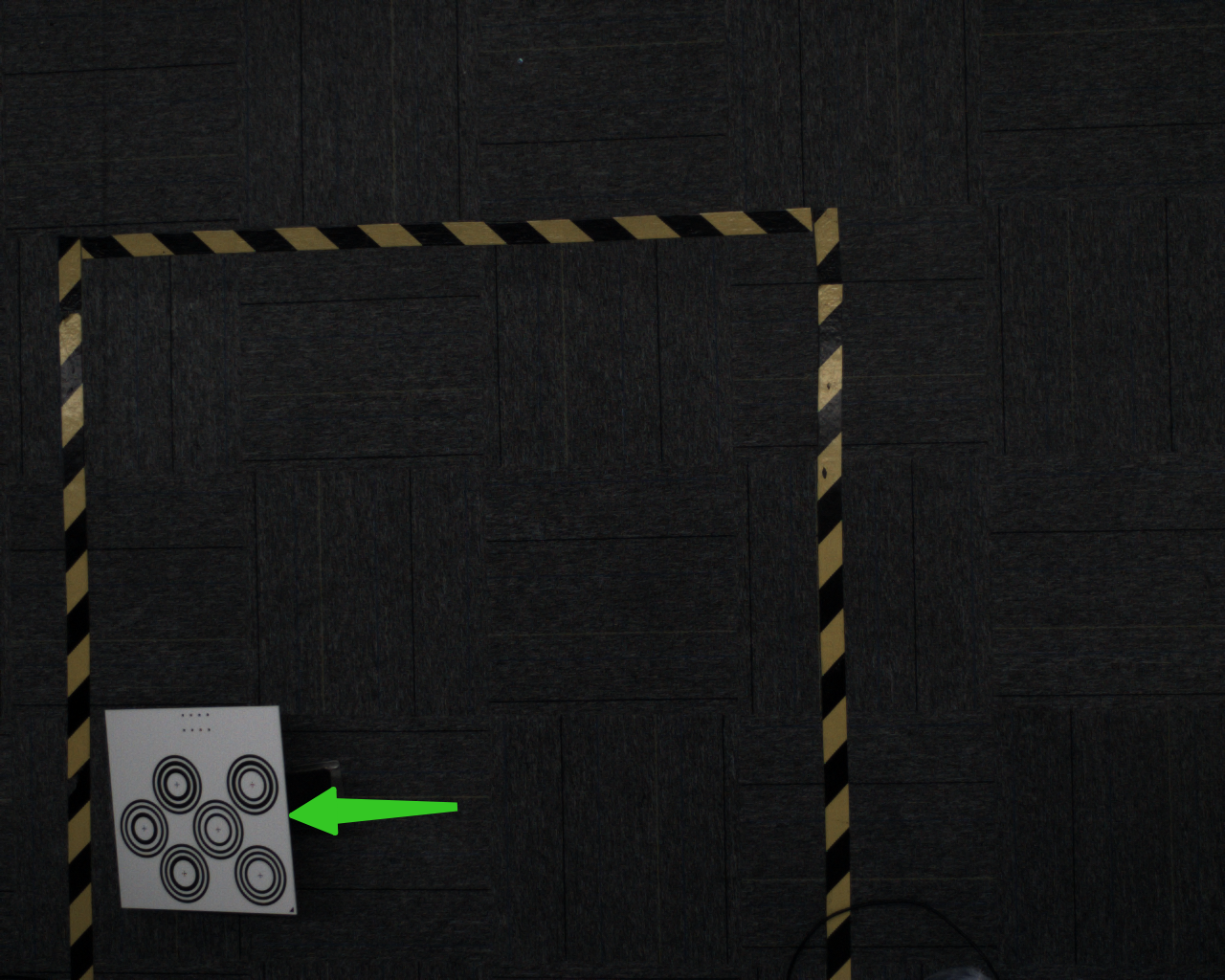
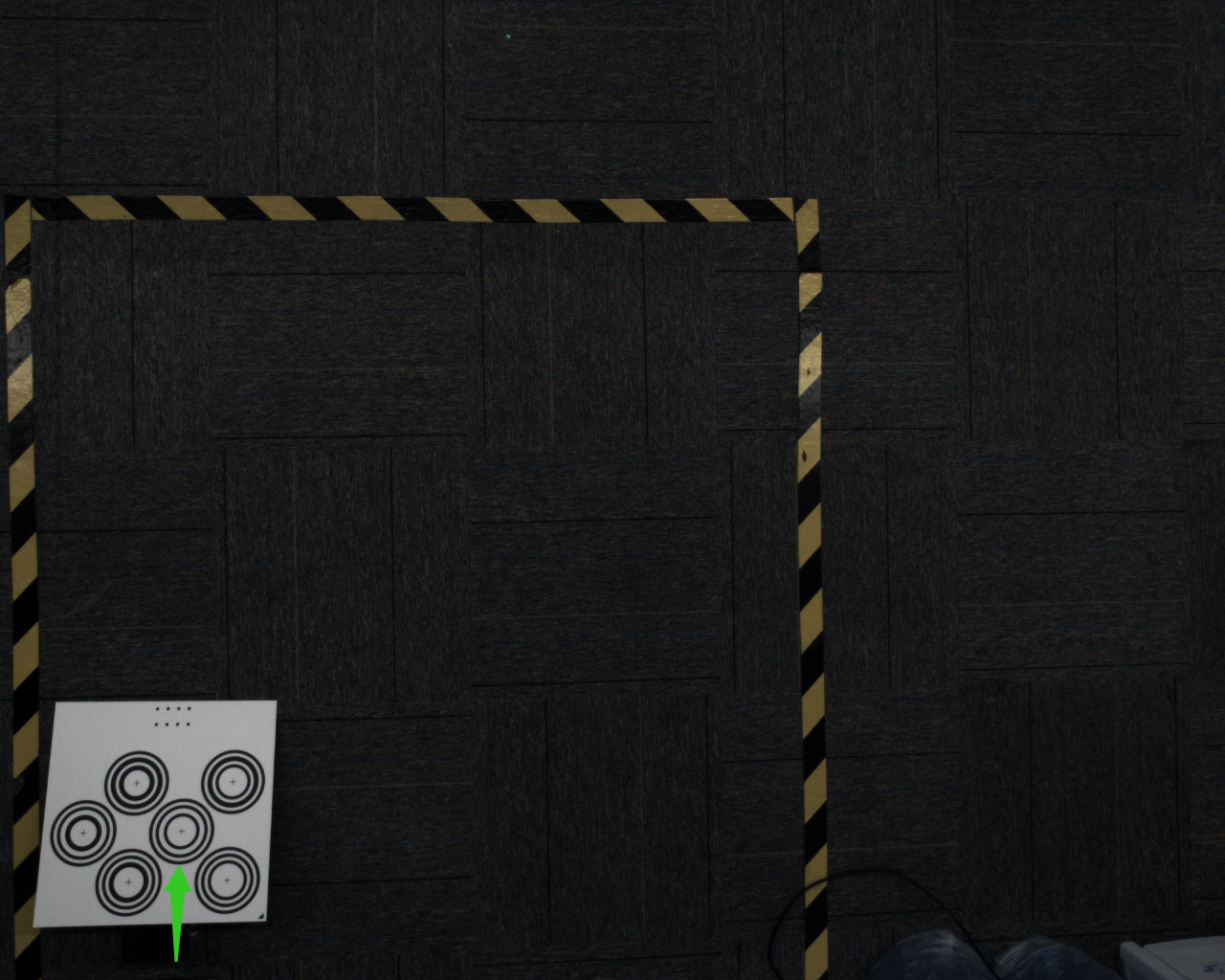
Stereo Camera Extrinsic Parameter Calibration Specification
Precautions:
Stereo cameras often require extrinsic parameter calibration due to long-term use and transportation interference on-site. We select 25 images for calibration. Too few images may lead to inaccurate calibration parameters. This document provides guidance for both camera calibration and extrinsic parameter calibration.
Calibration board size must strictly match the corresponding model for different cameras (matching models will be provided later), otherwise recognition rate will be affected
Ensure uniform brightness when capturing calibration board images, no overexposure or underexposure
No obvious defocusing during calibration. Calibration must be performed within the operating distance
Aperture and focal length of the camera must not change during calibration. Neither the camera nor the calibration board should shake. The video example shows a shaking calibration board - fix it before calibration:
Error Cases and Correct Methods
Error 1 and Correct Method:
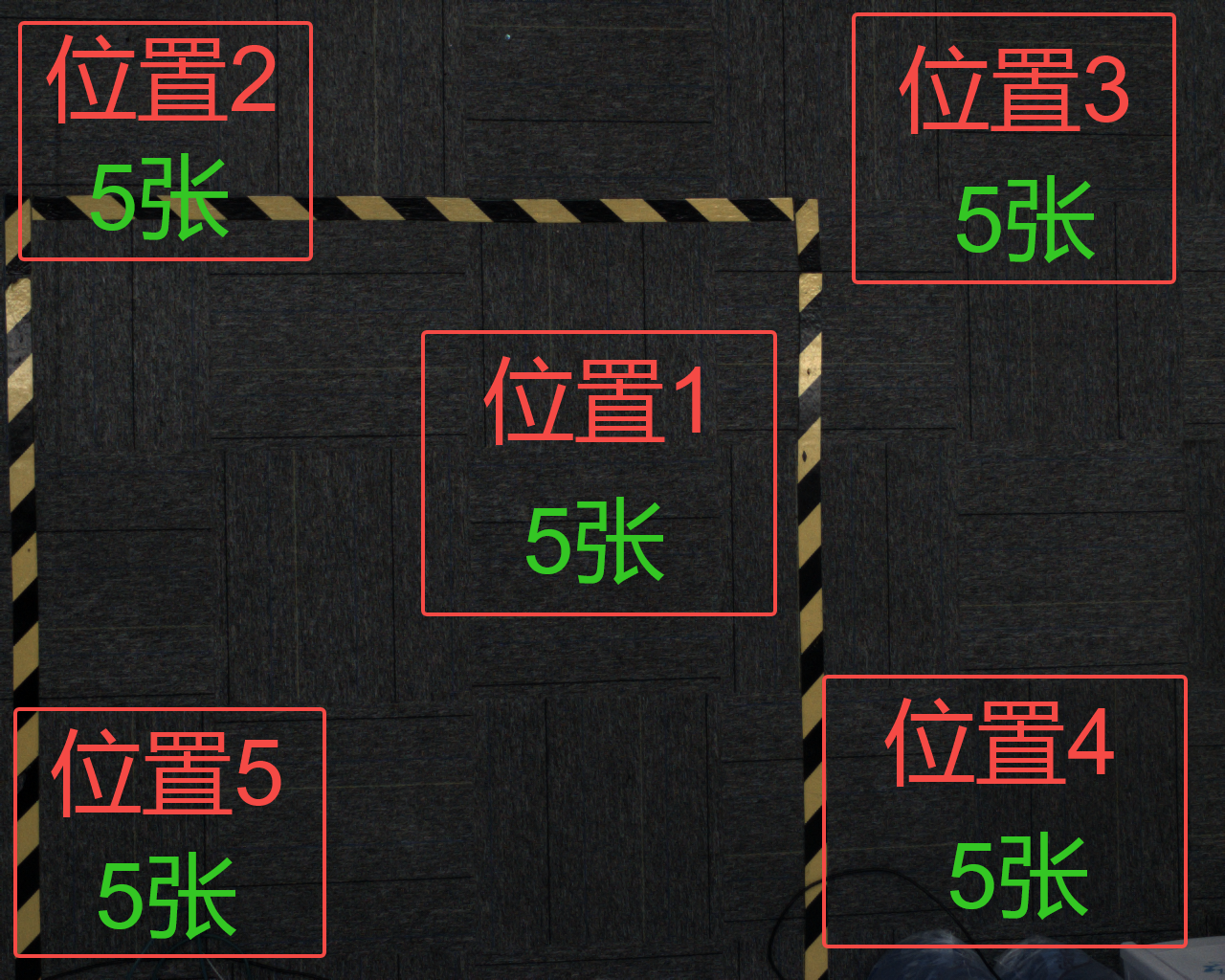
The calibration board placement positions are shown in the schematic: 5 positions total, 5 images per position, 25 images total. The 5 images per position consist of: 1 flat image + 4 images with each edge raised
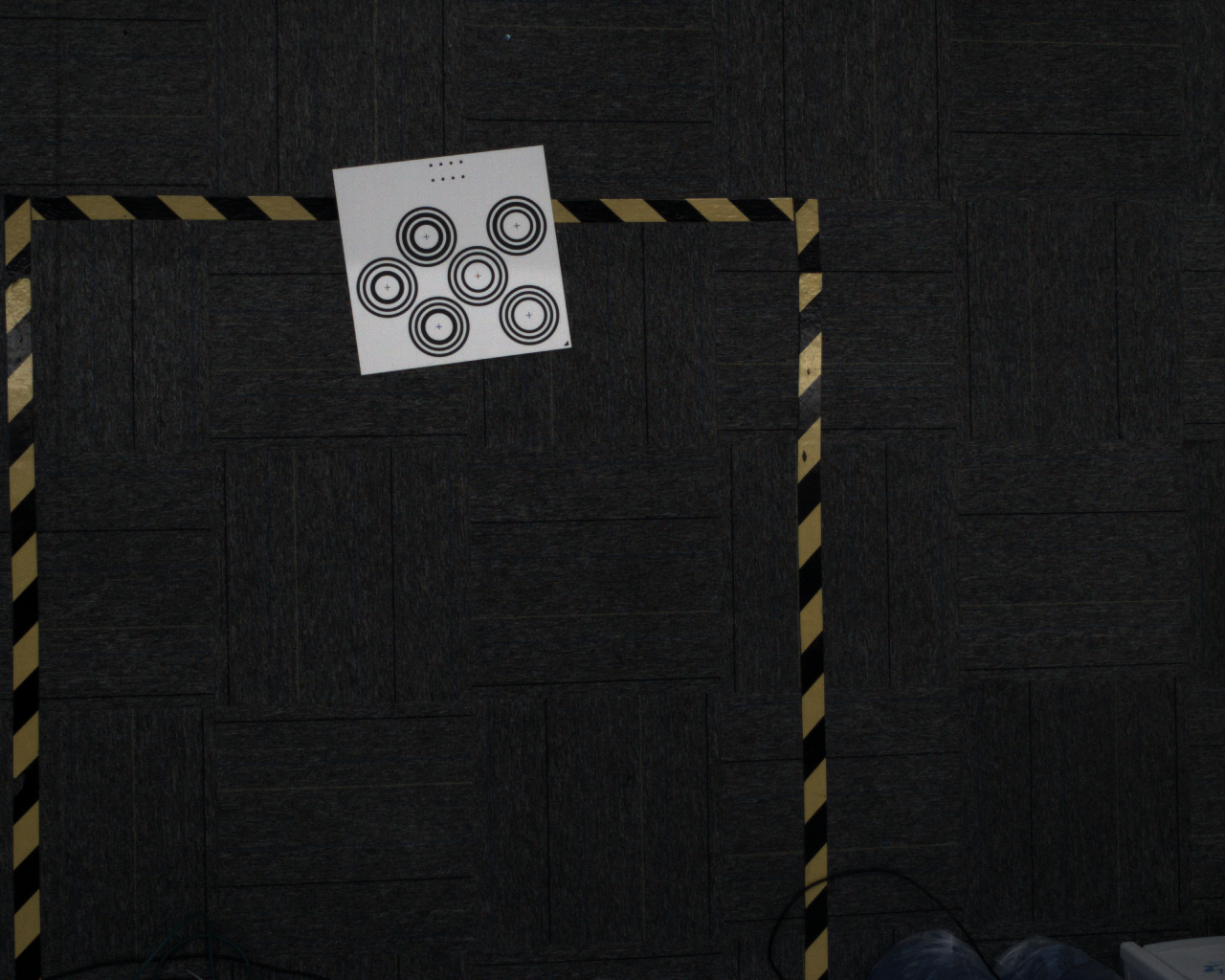
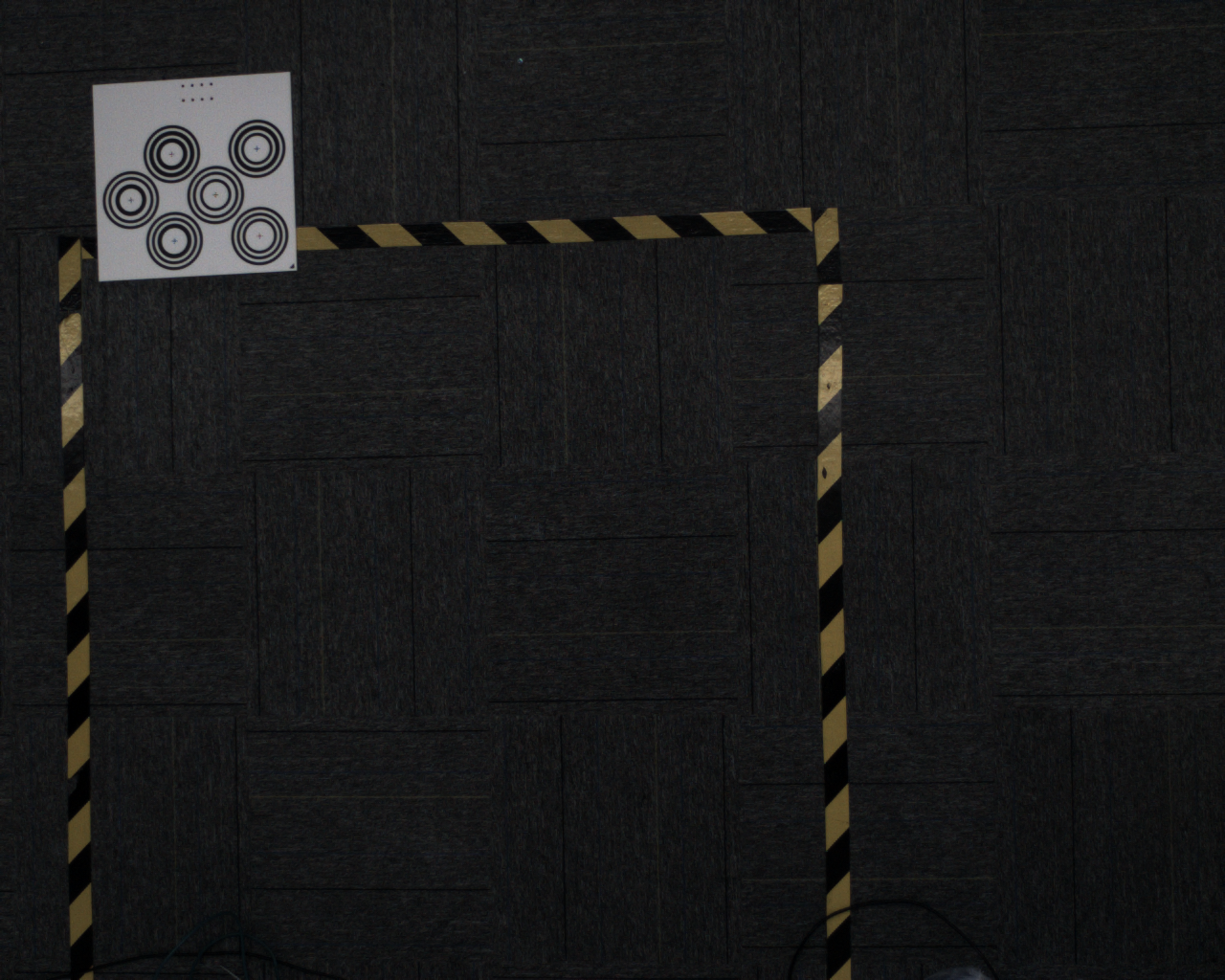
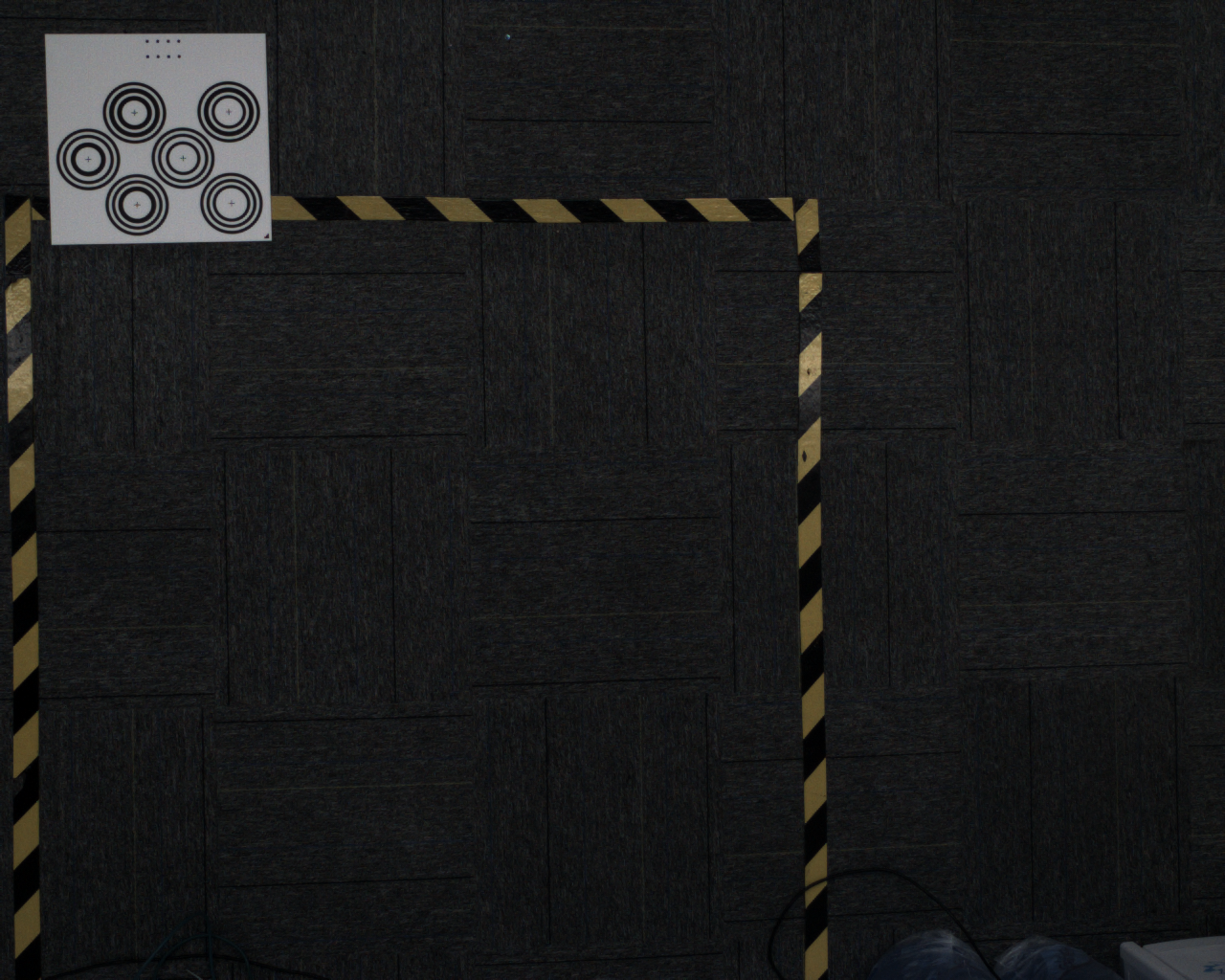
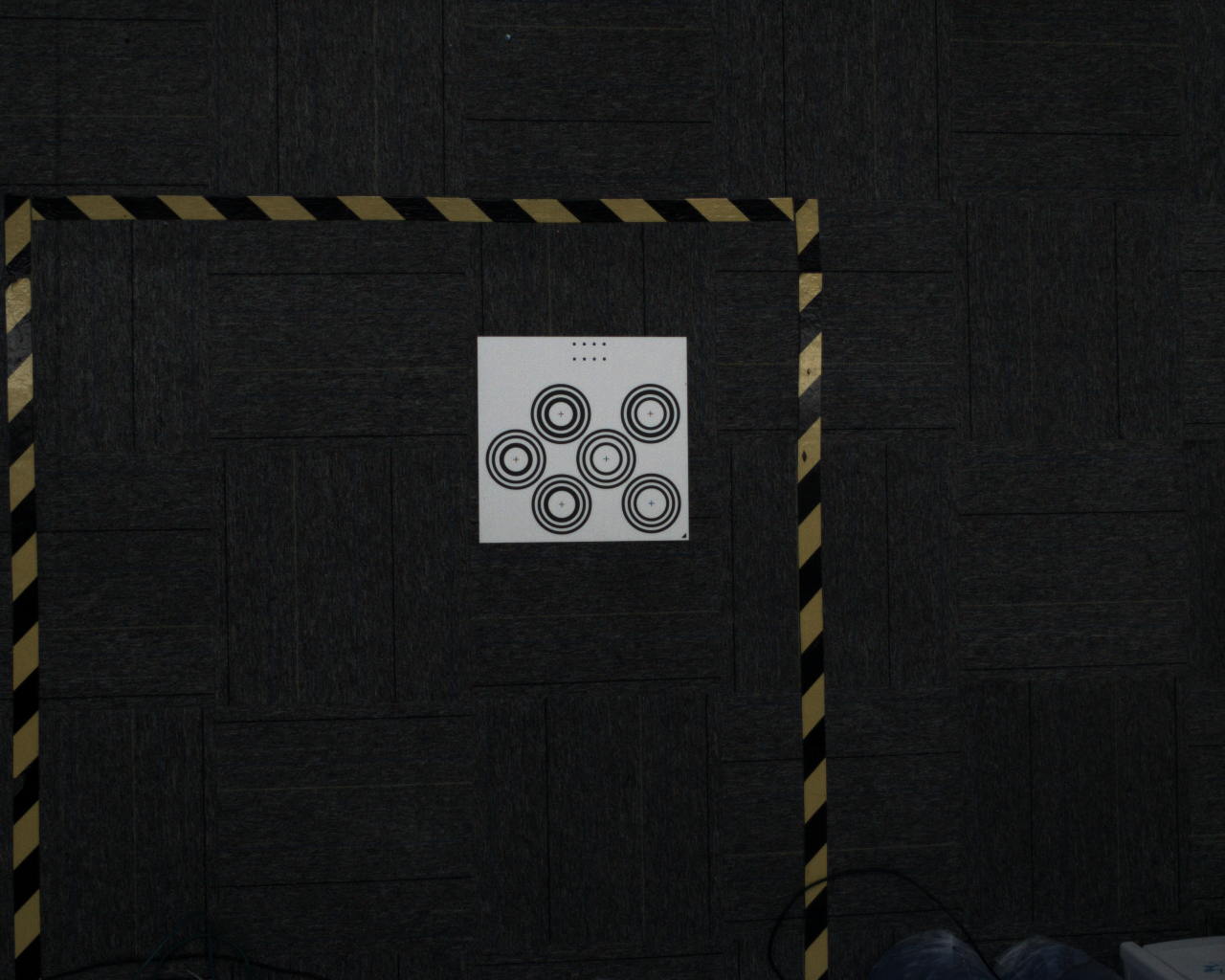
The following image shows incorrect placement position. Although it's within the field of view, it's too close to the center, not covering the edge areas, which affects calibration accuracy
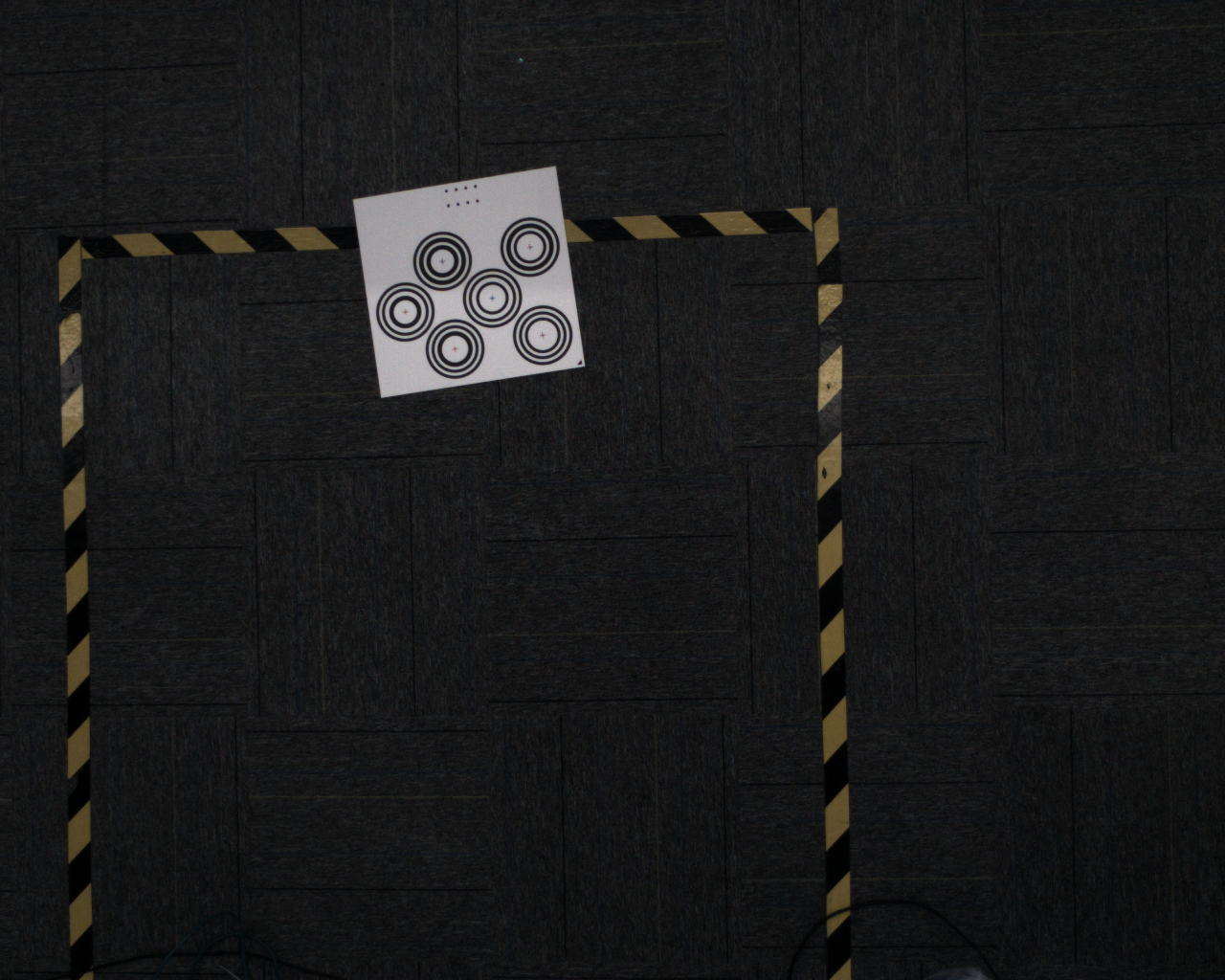
Correct placement is shown below: close to the edge but not exceeding the field of view of left and right cameras
Error 2 and Correct Method:
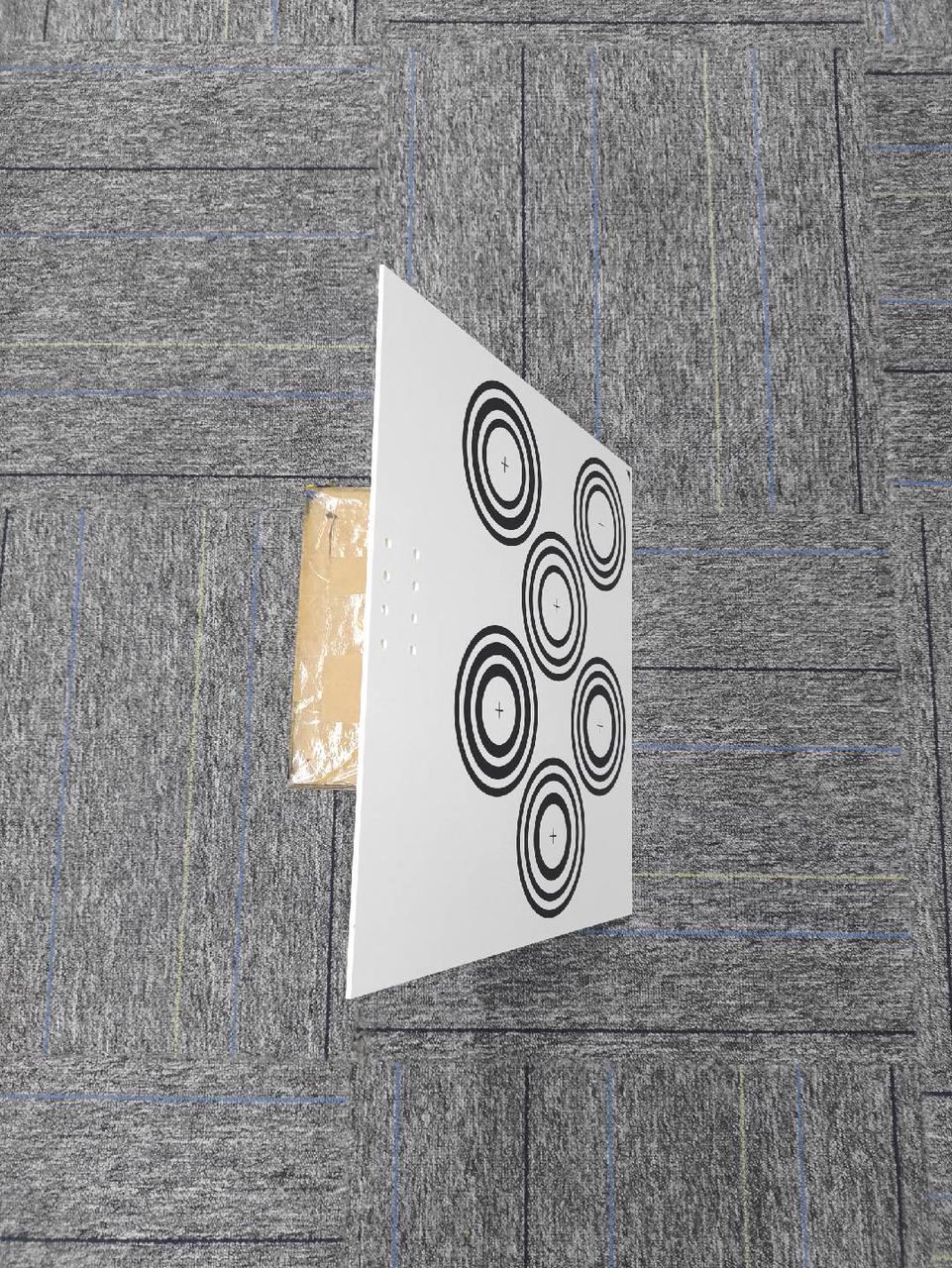
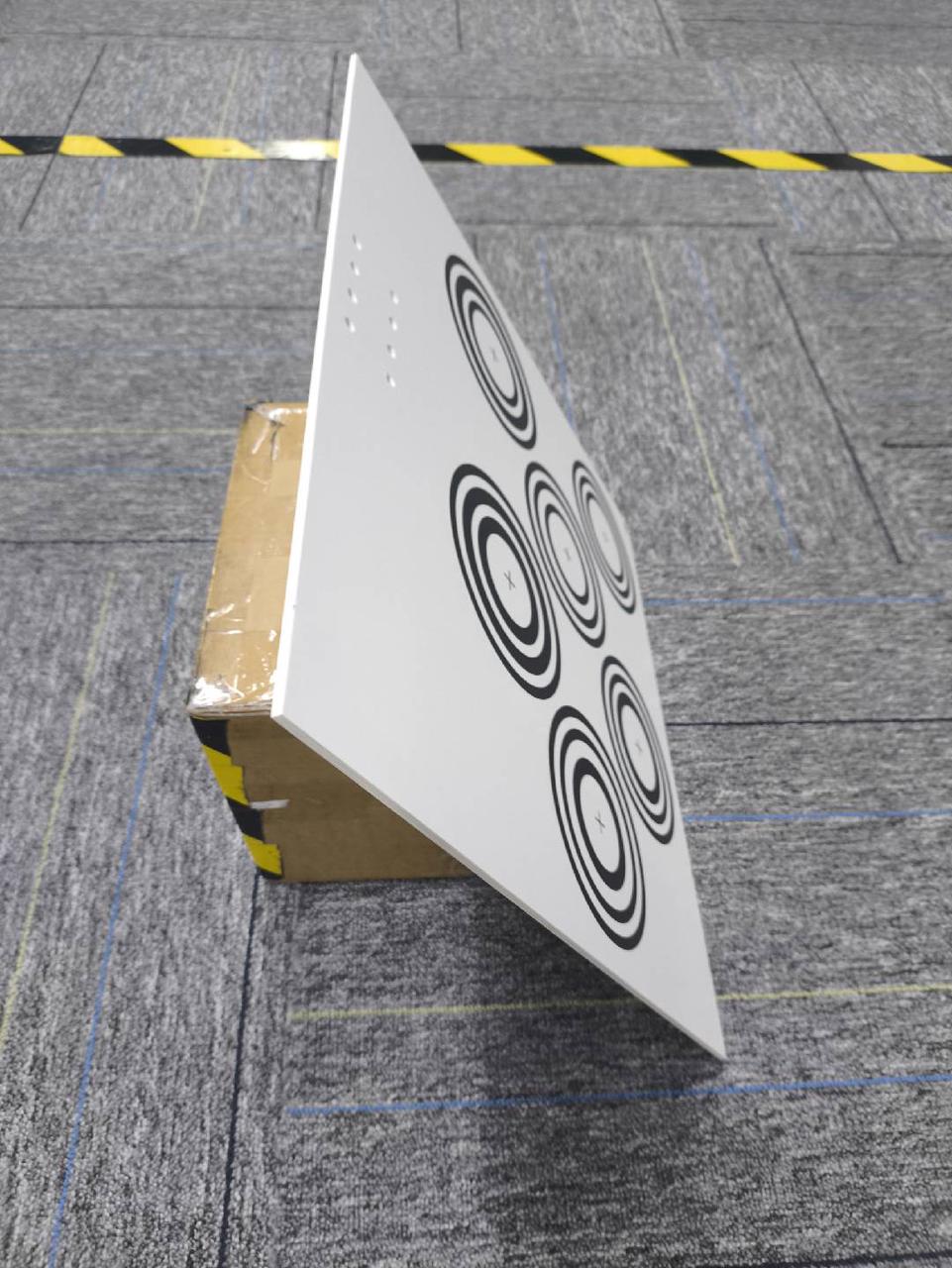
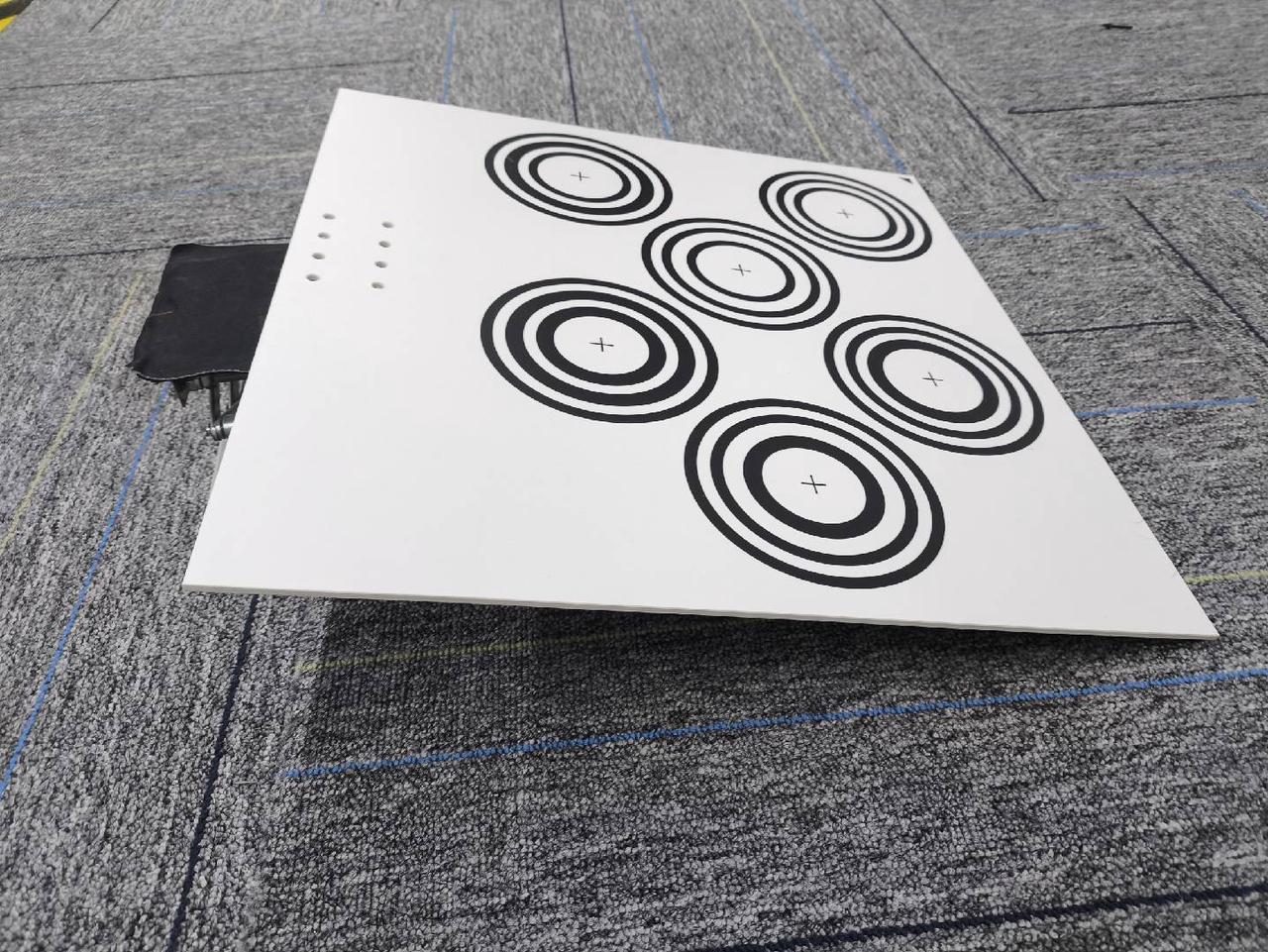
The optimal placement angle for calibration board is 15-30°. The tilt angle should not be too large or too small
The following image shows calibration board with too large tilt angle, affecting recognition
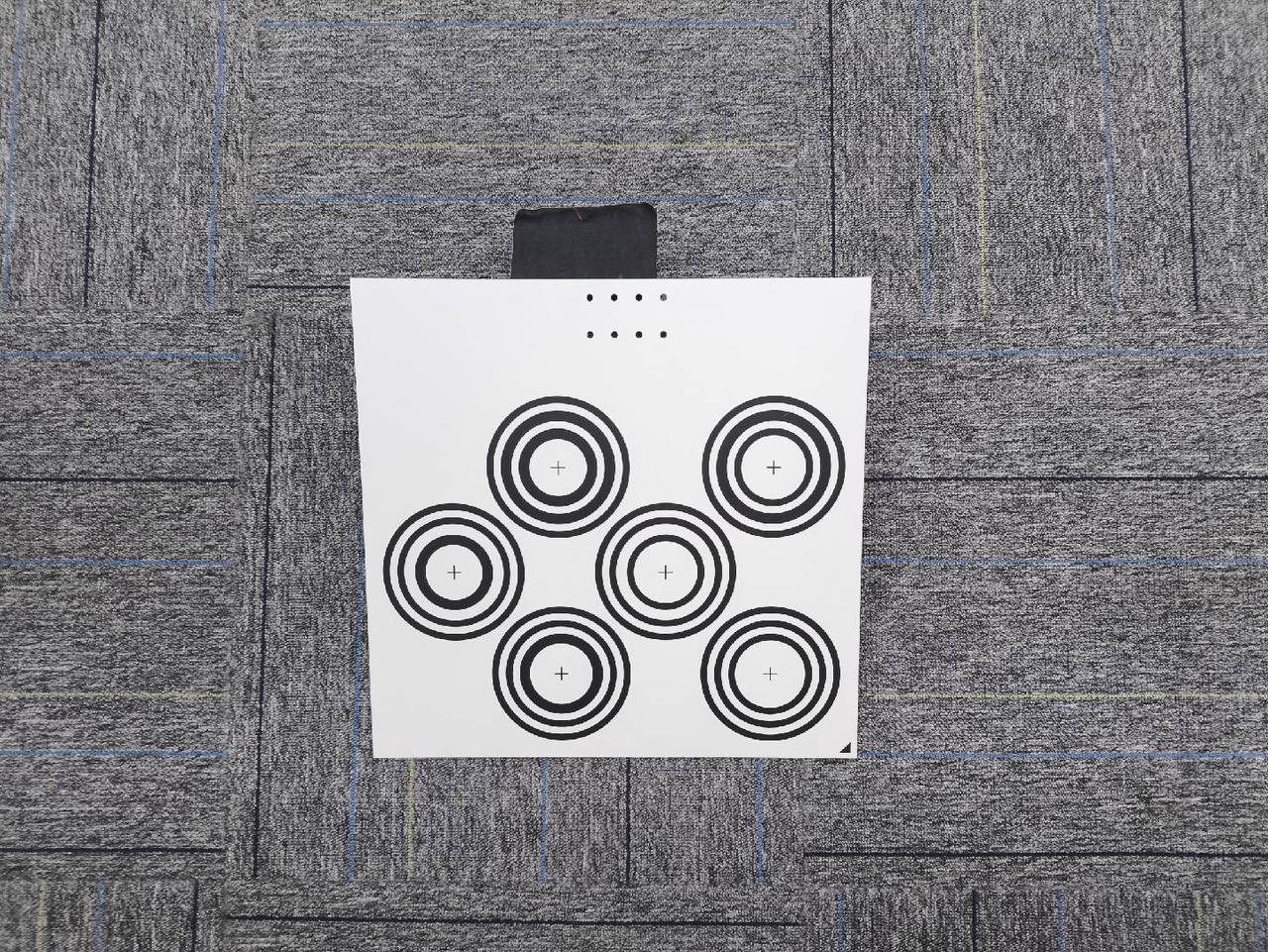
The following image shows calibration board with too small tilt angle, almost no posture change, affecting calibration quality
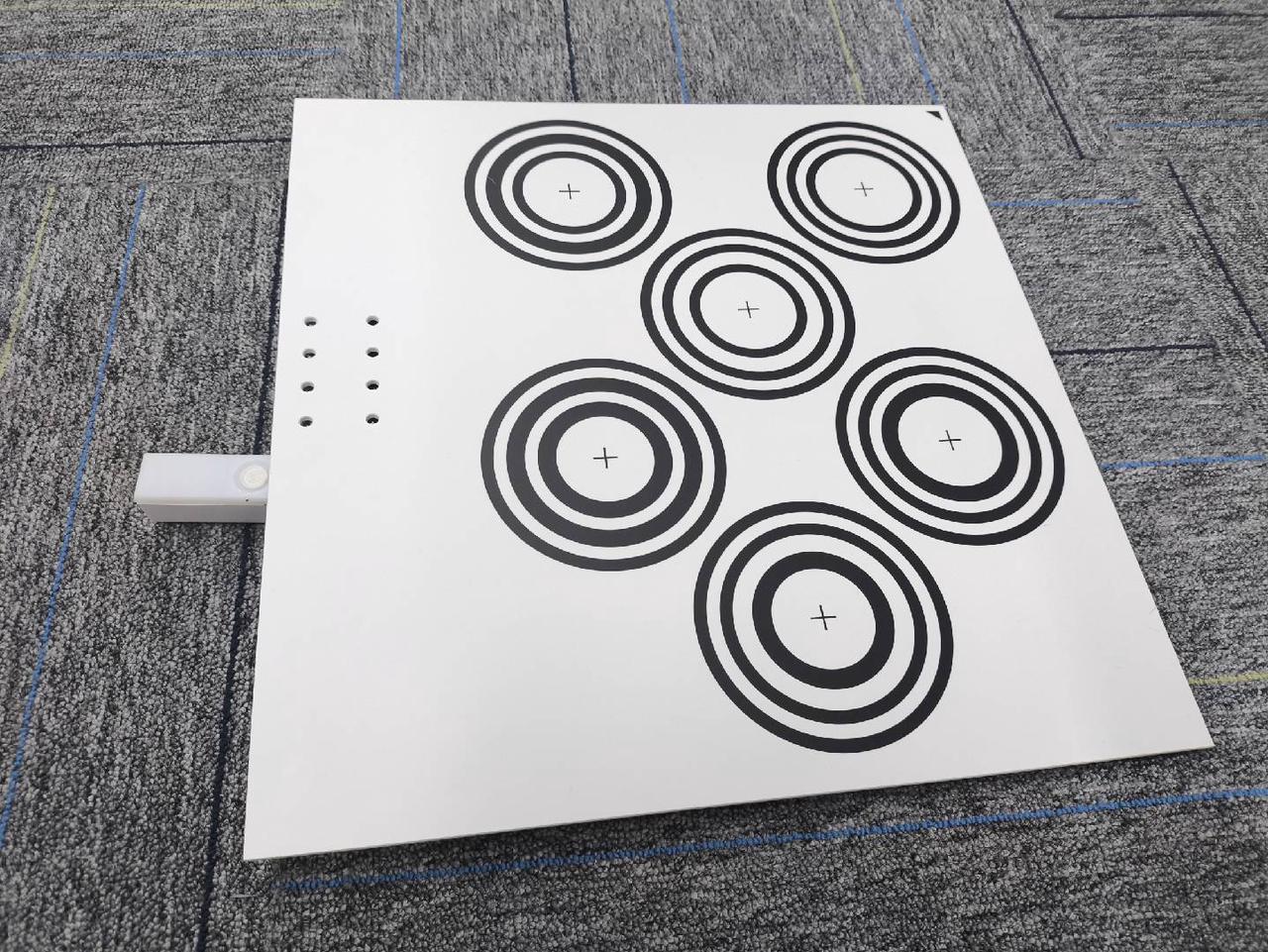
Correct placement should be at 15-30° for best results
Error 3 and Correct Method:
The brightness of calibration board directly affects recognition. Both overexposure and underexposure will impact recognition quality
The following image shows overexposed calibration board with large areas of white where pixel values reach 255
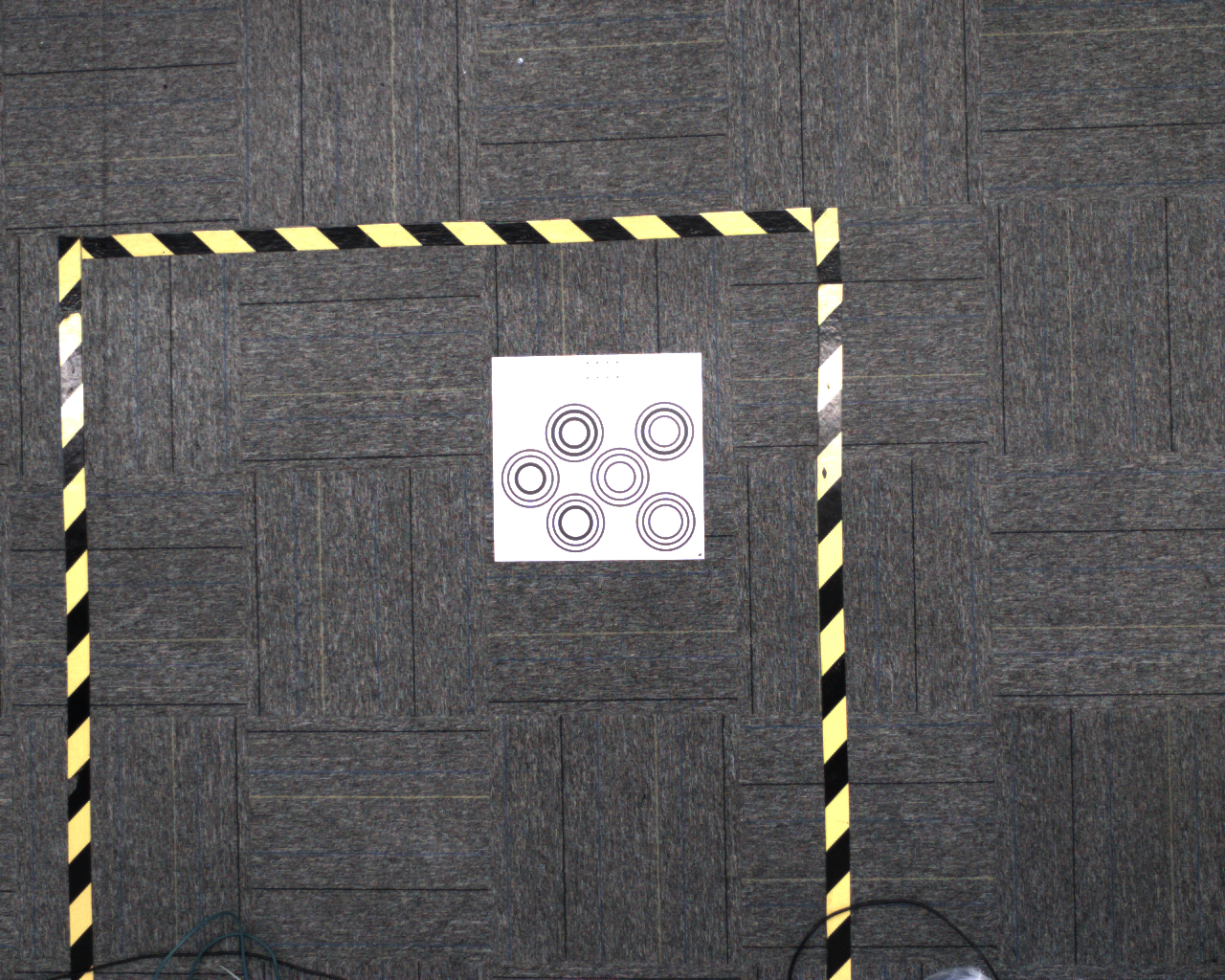
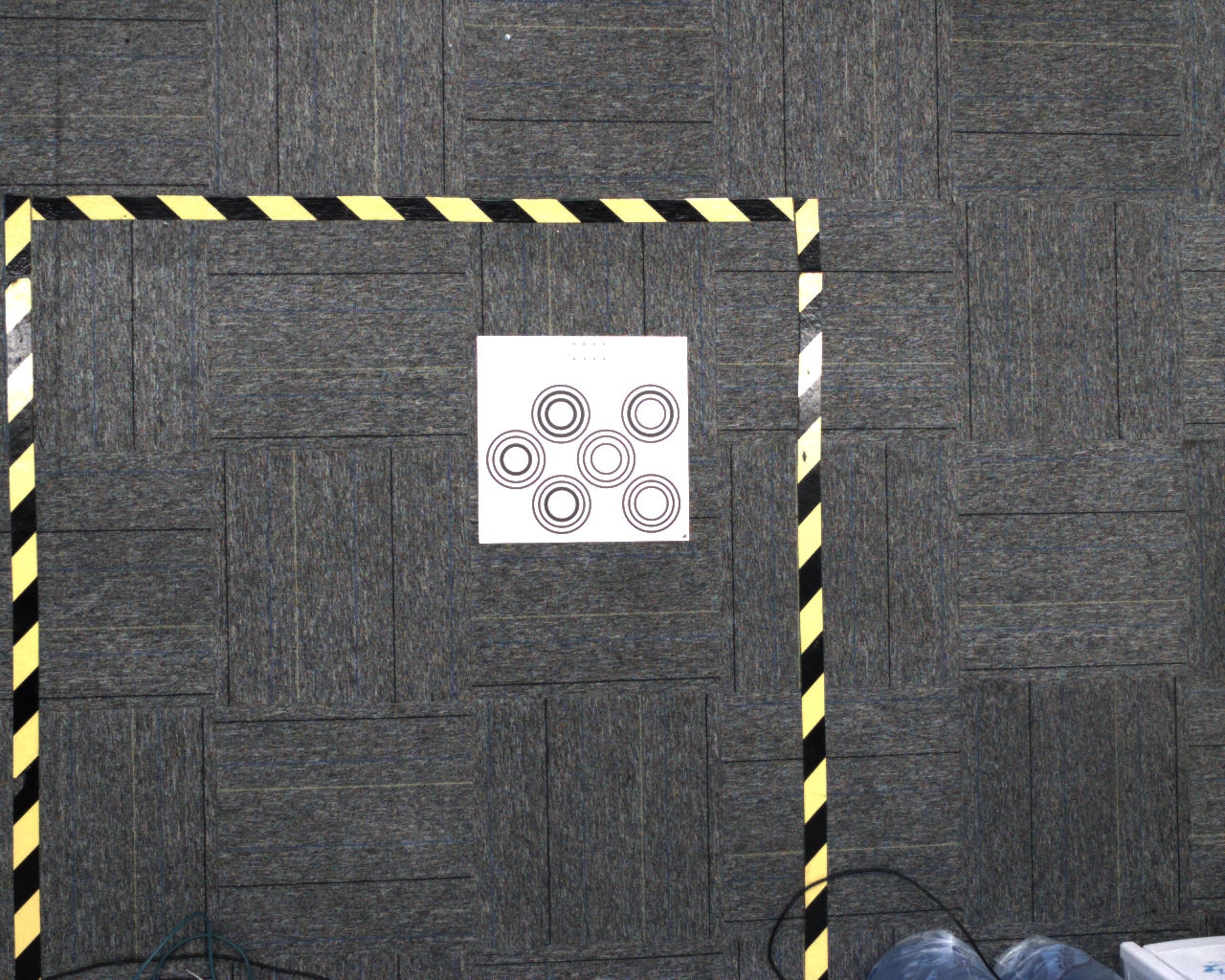
The following image shows underexposed calibration board that is too dark for human eyes to see clearly
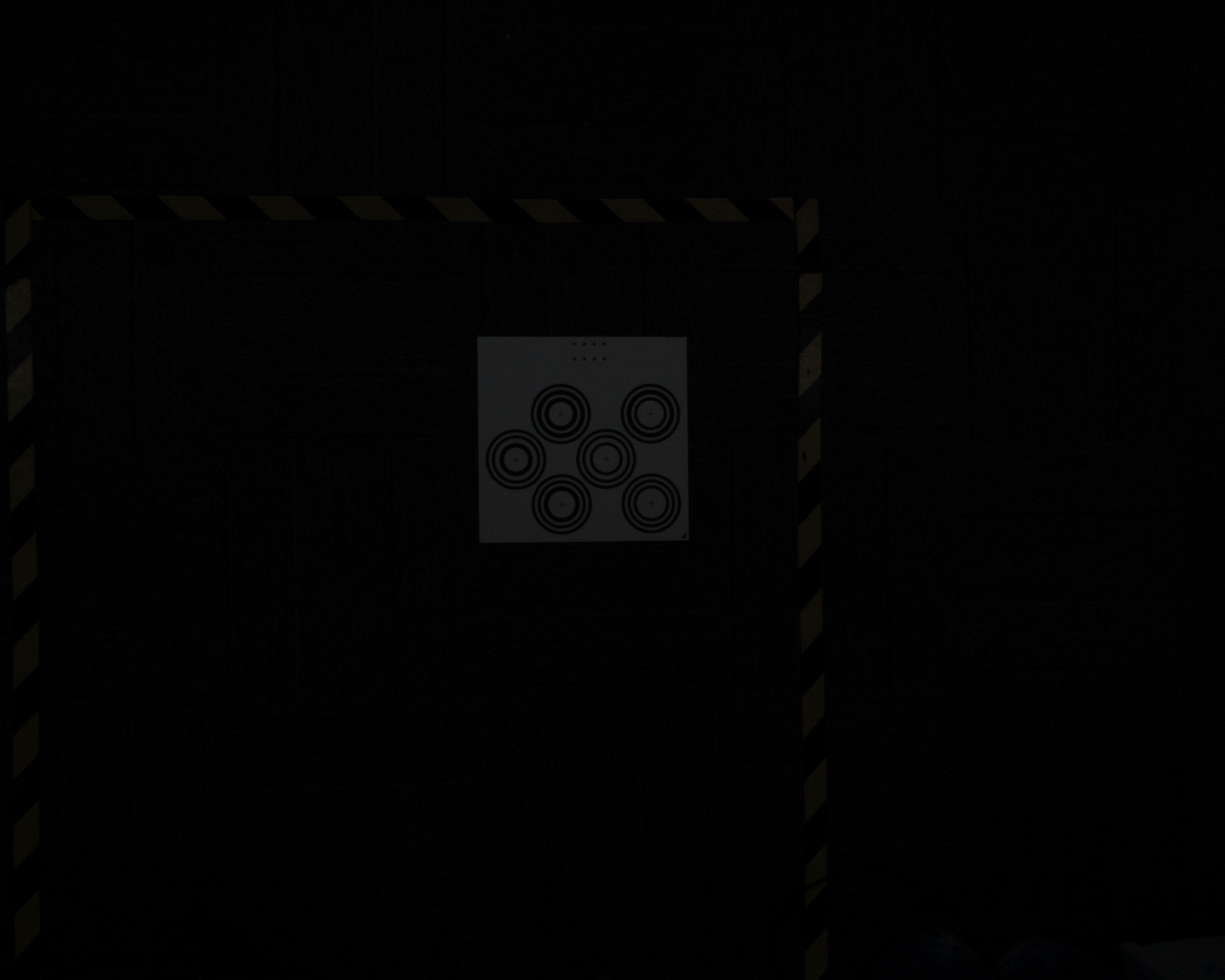
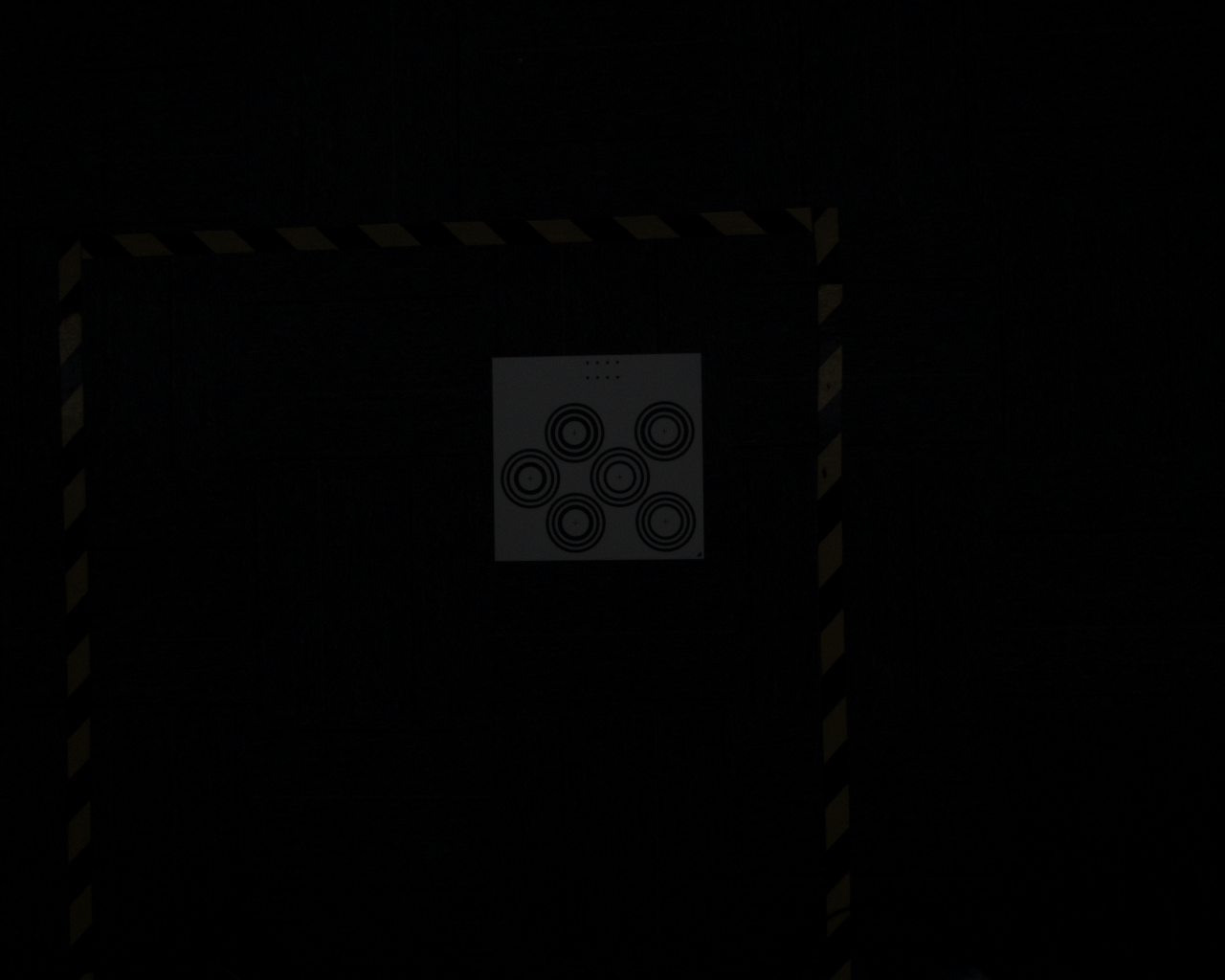
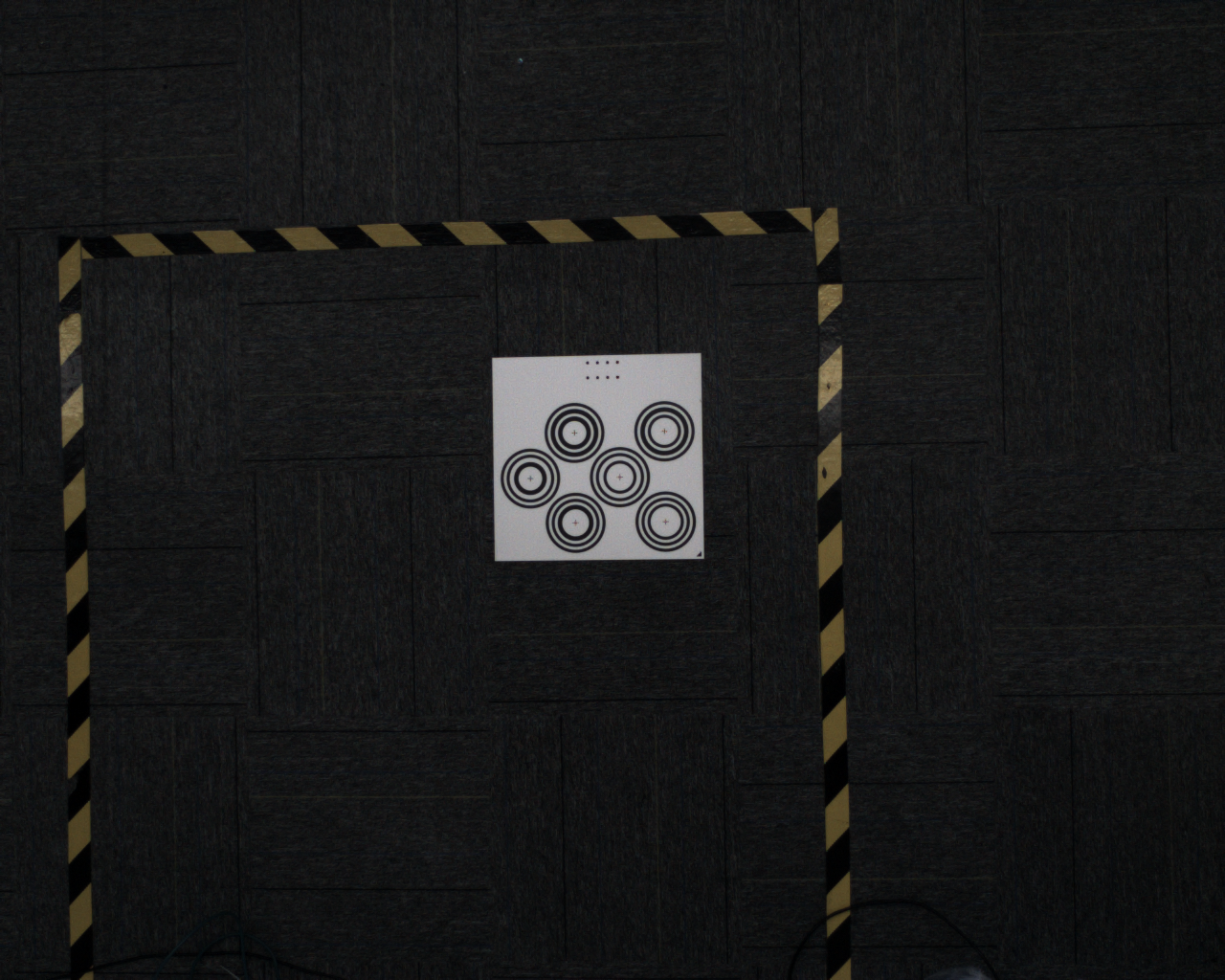
Correct image should be clear, neither overexposed nor underexposed, as shown below
Error 4 and Correct Method:
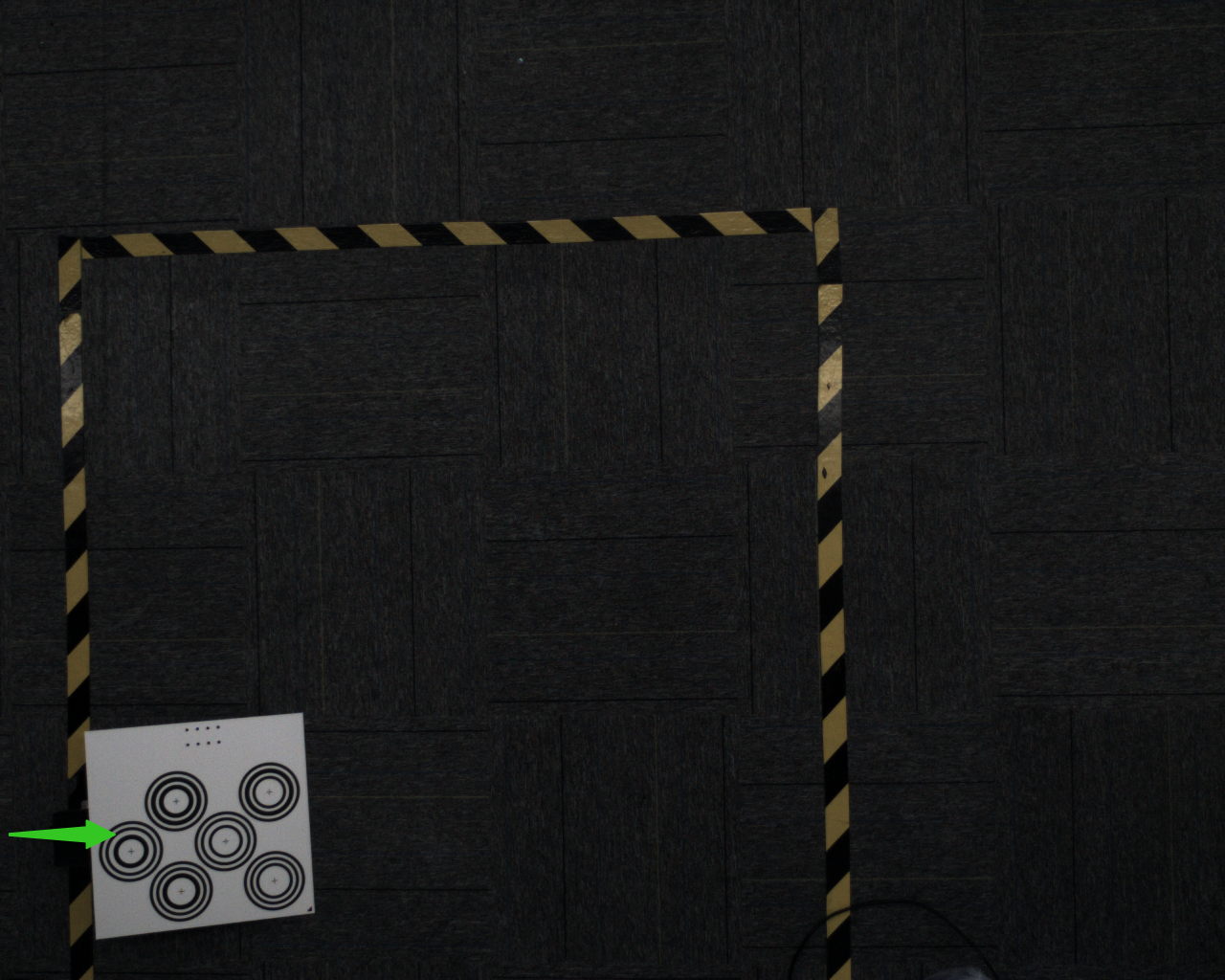
The calibration board is outside the field of view, with incomplete concentric circles, making recognition impossible
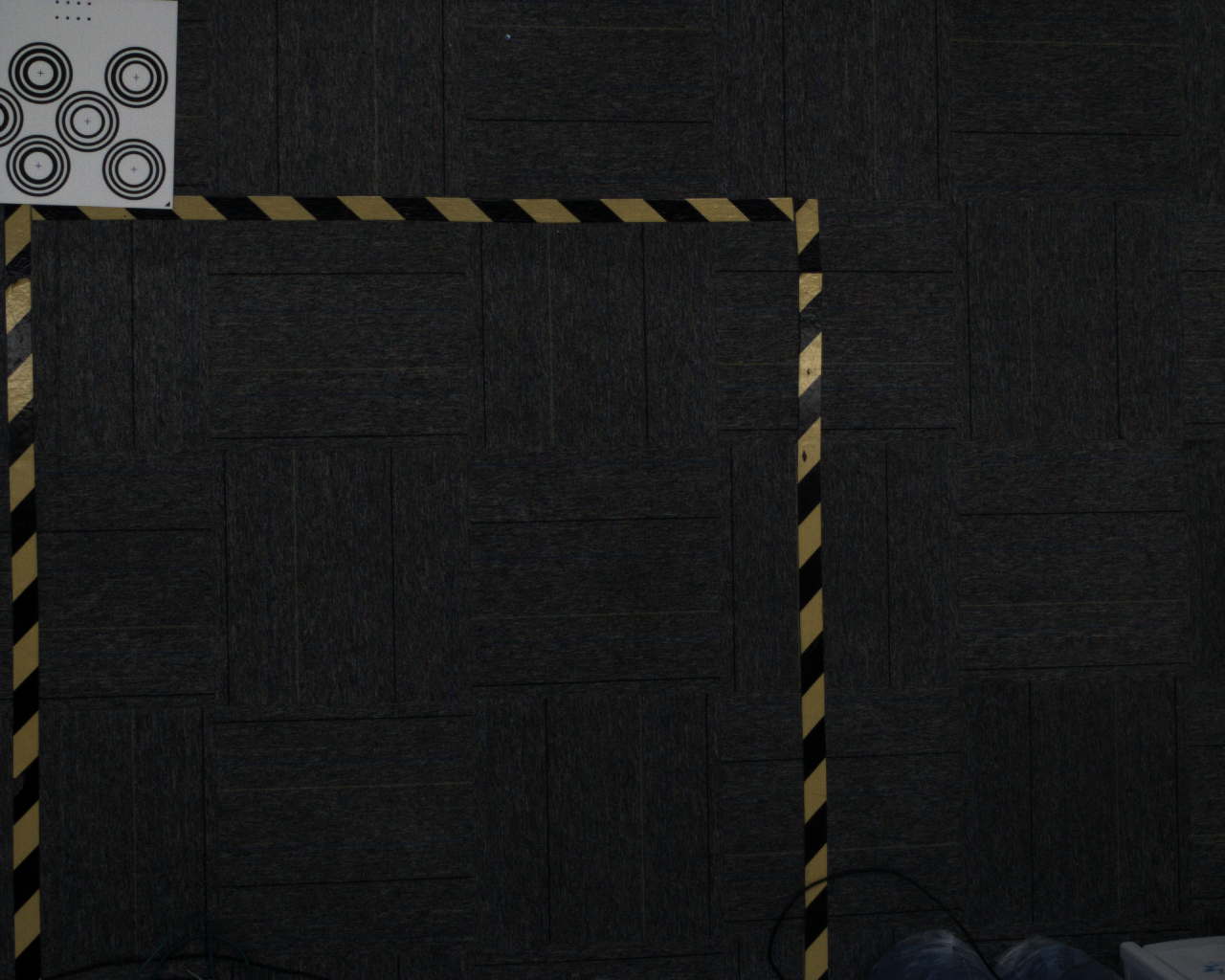
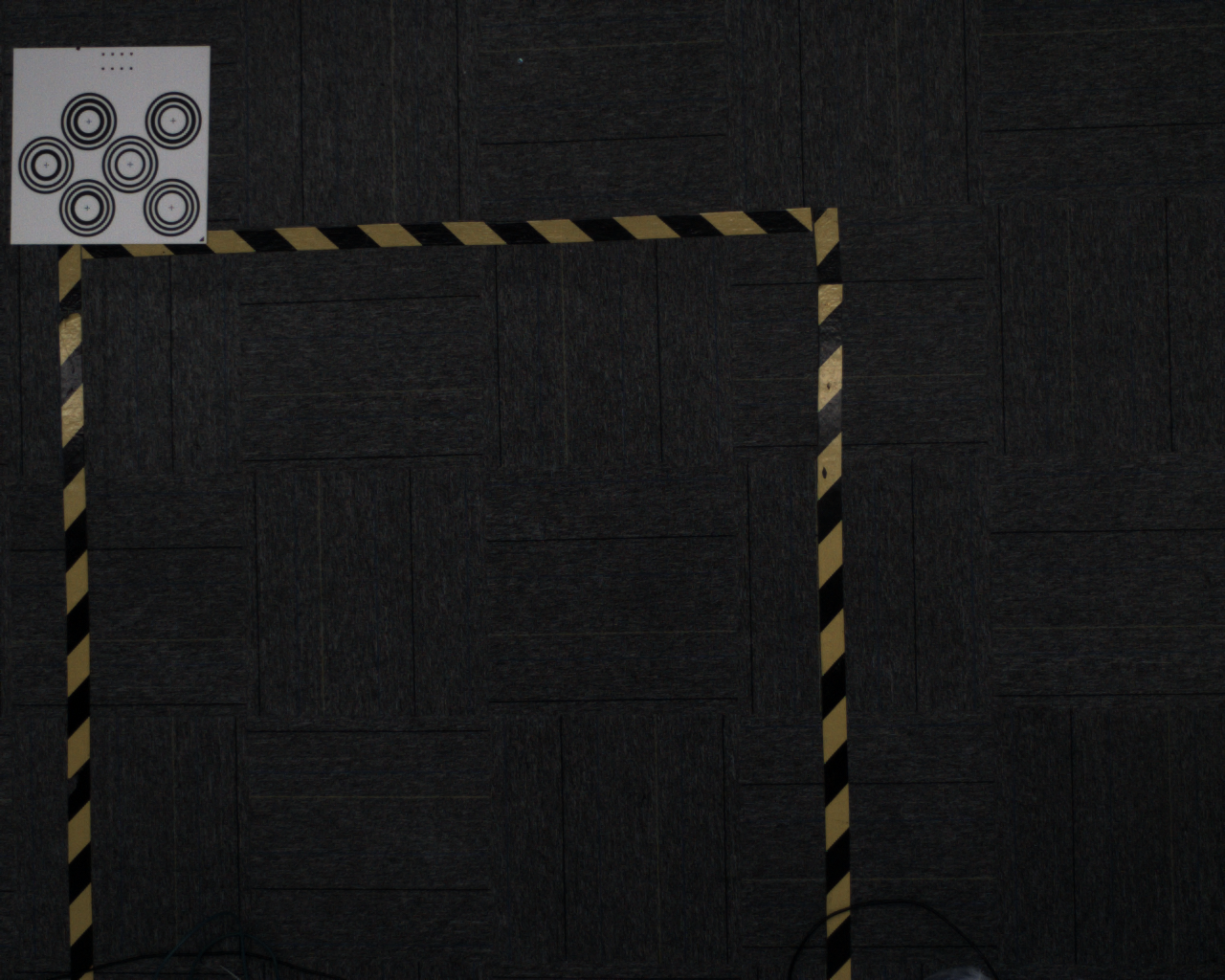
Image Capture Position Schematic
Position 1: Flat (1 image) + each edge raised (4 images)
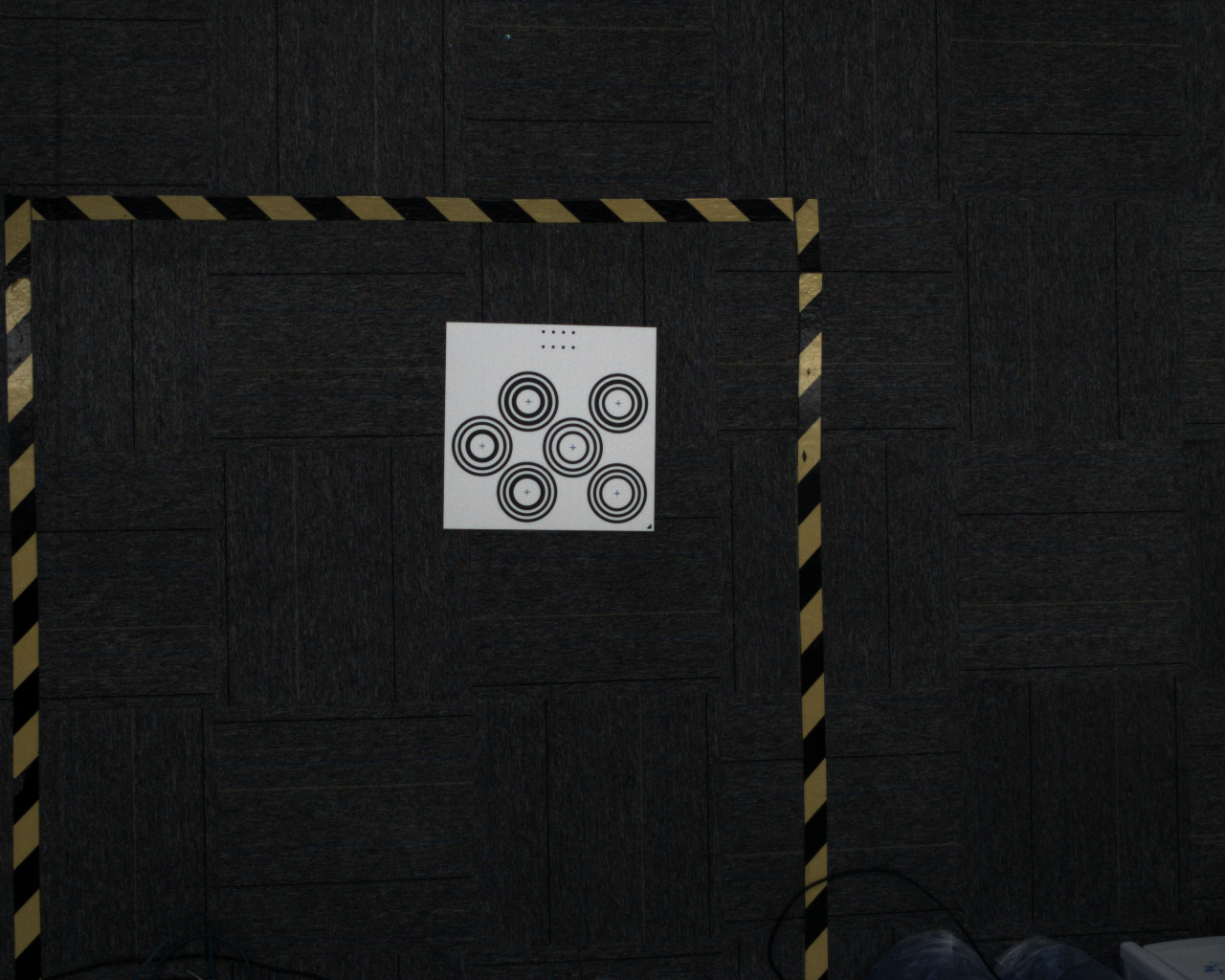
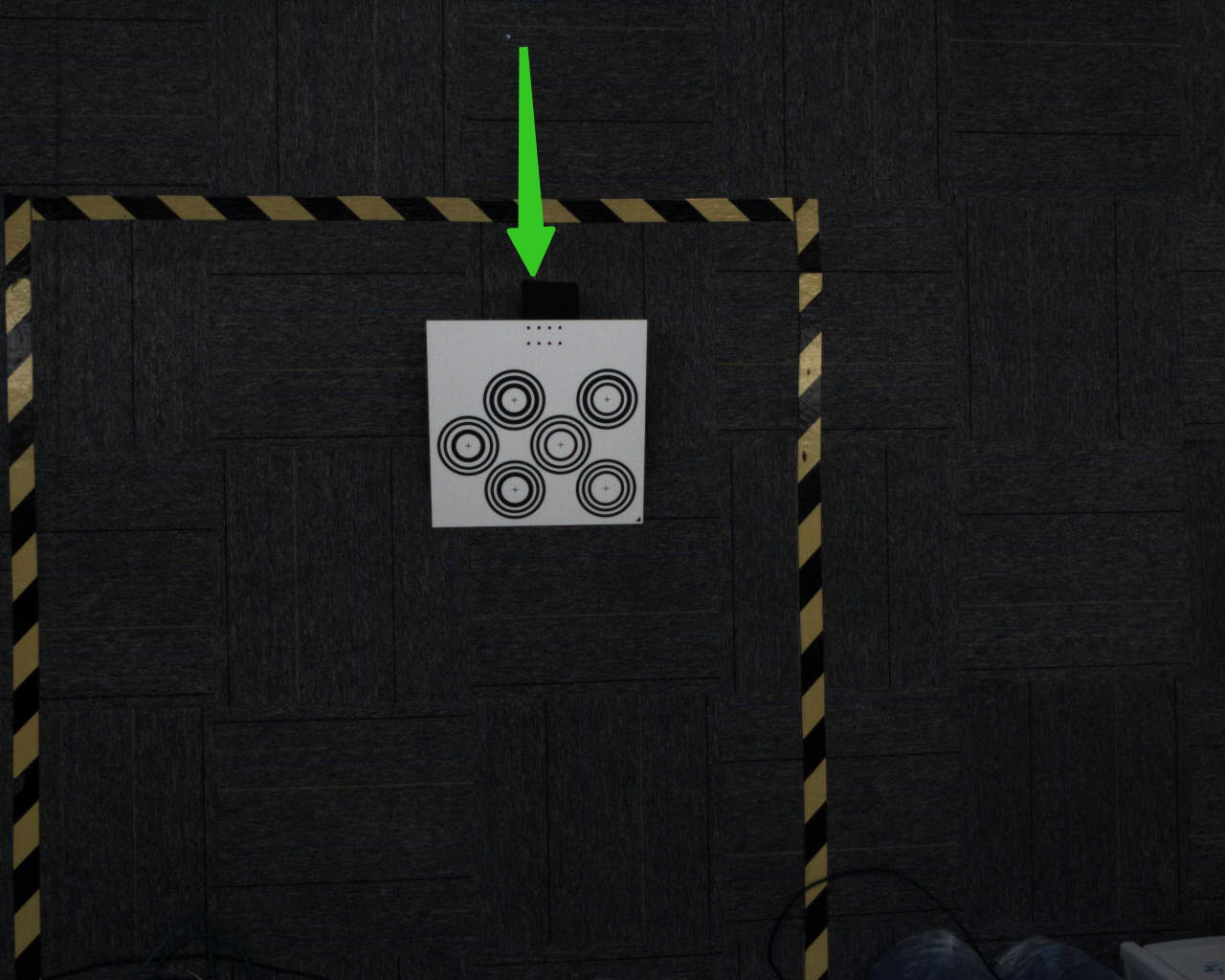
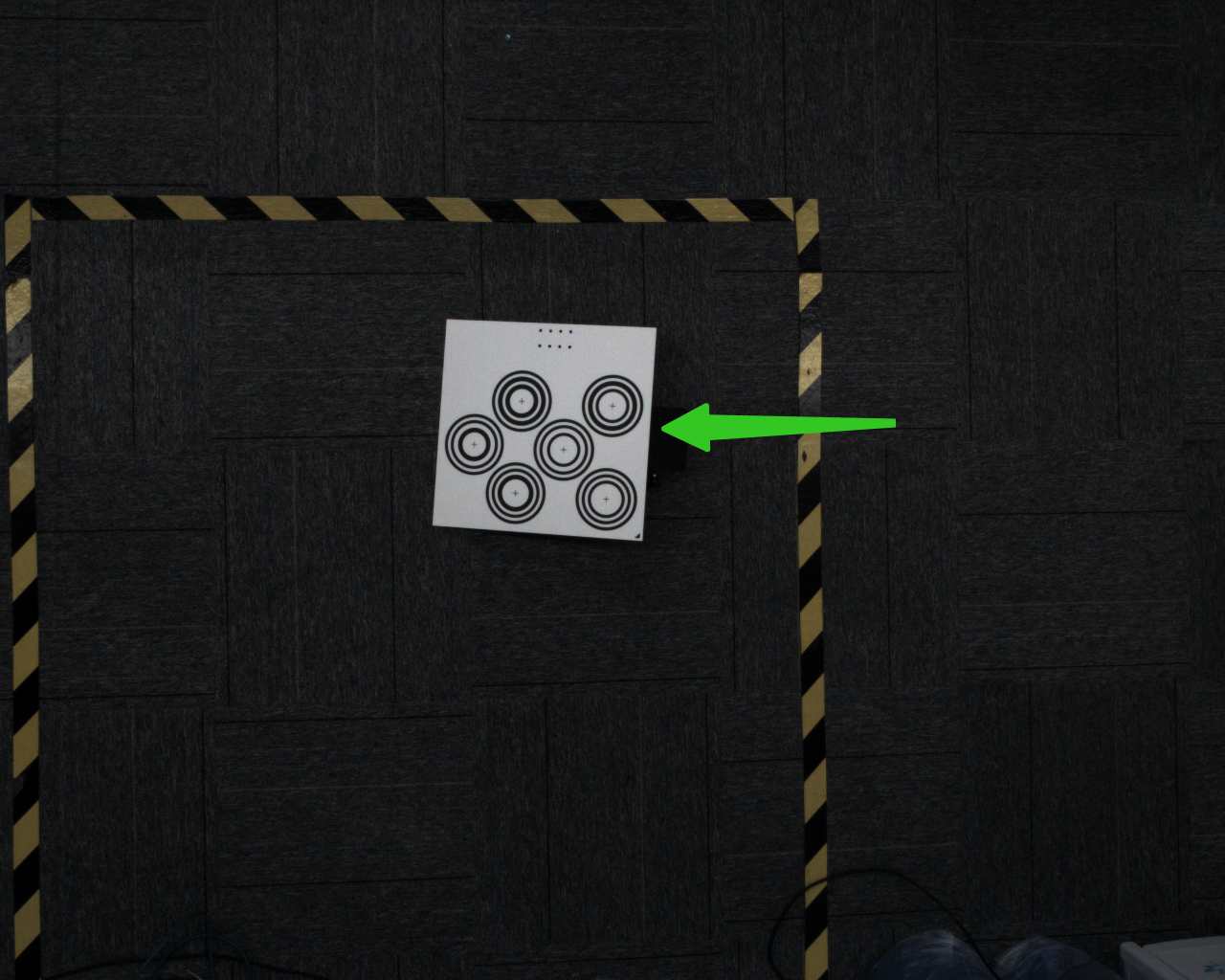
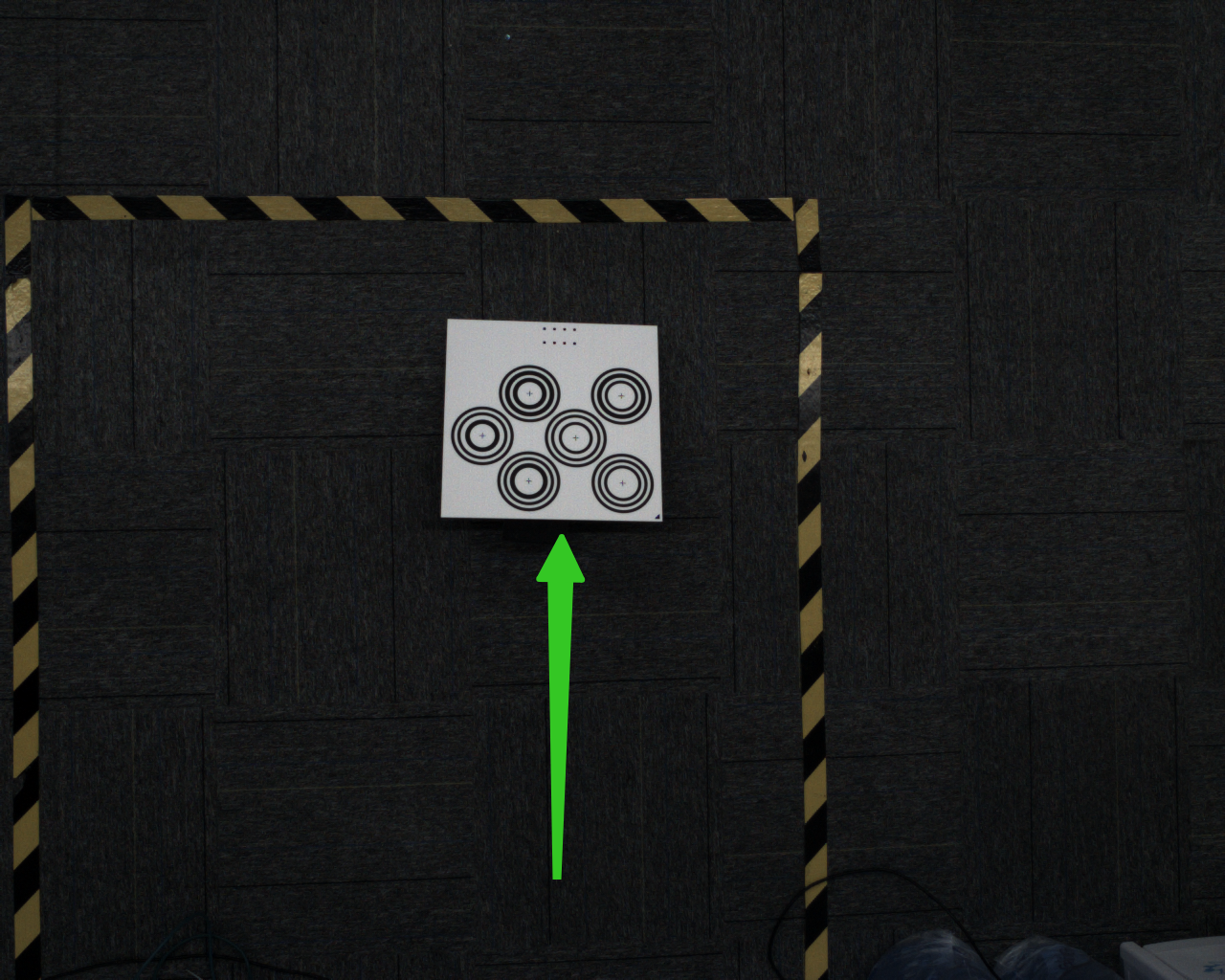
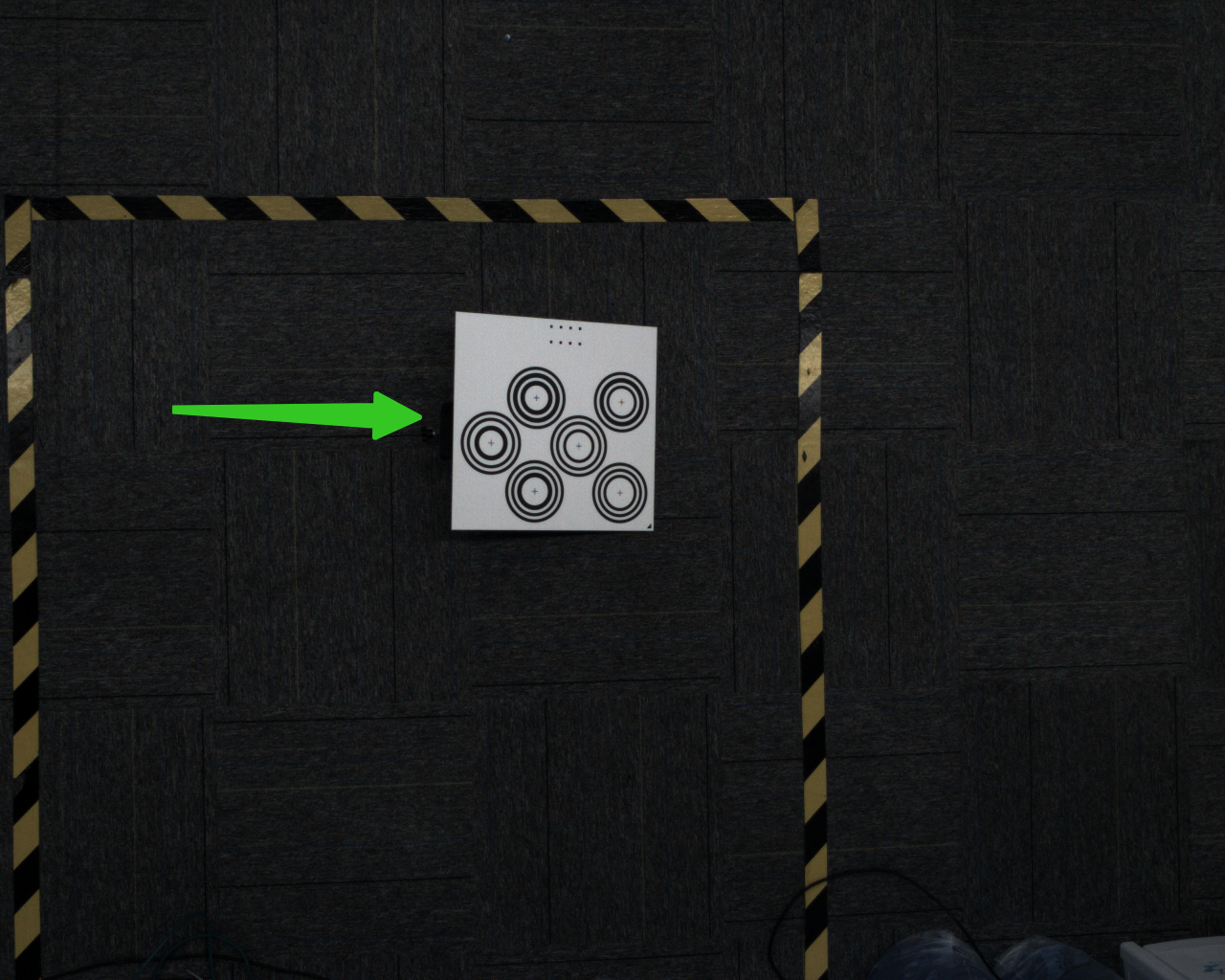
Position 2: Flat (1 image) + each edge raised (4 images)
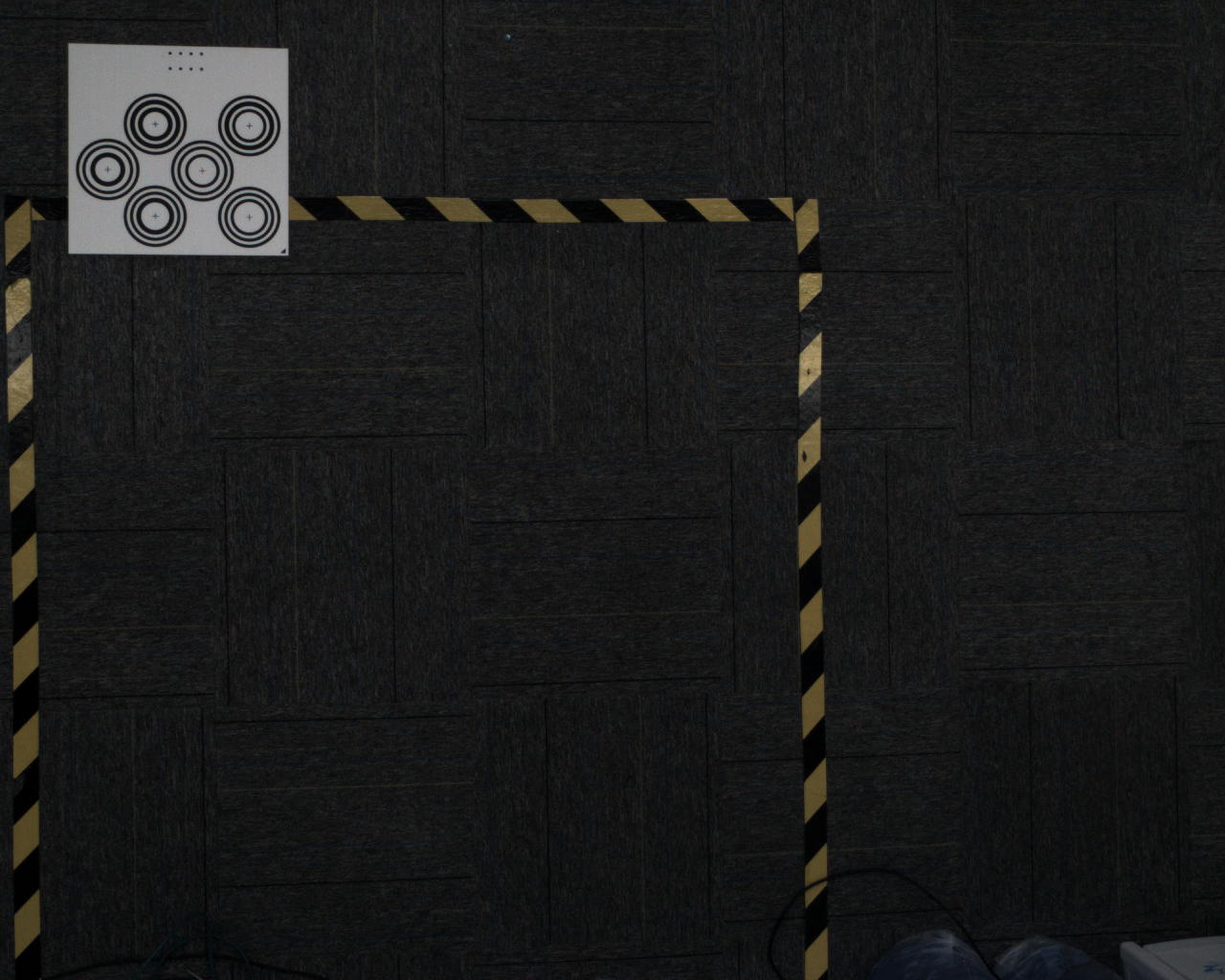
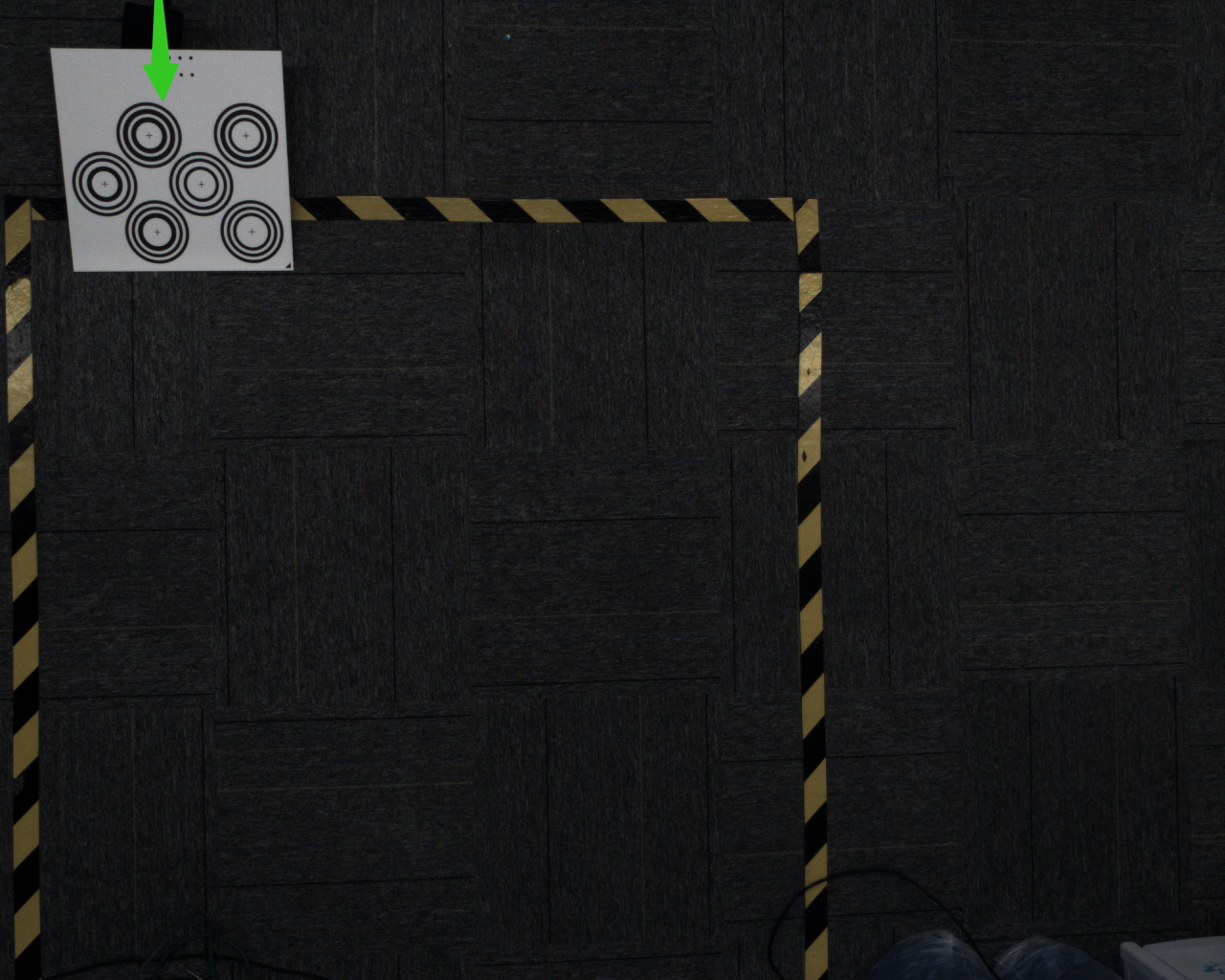
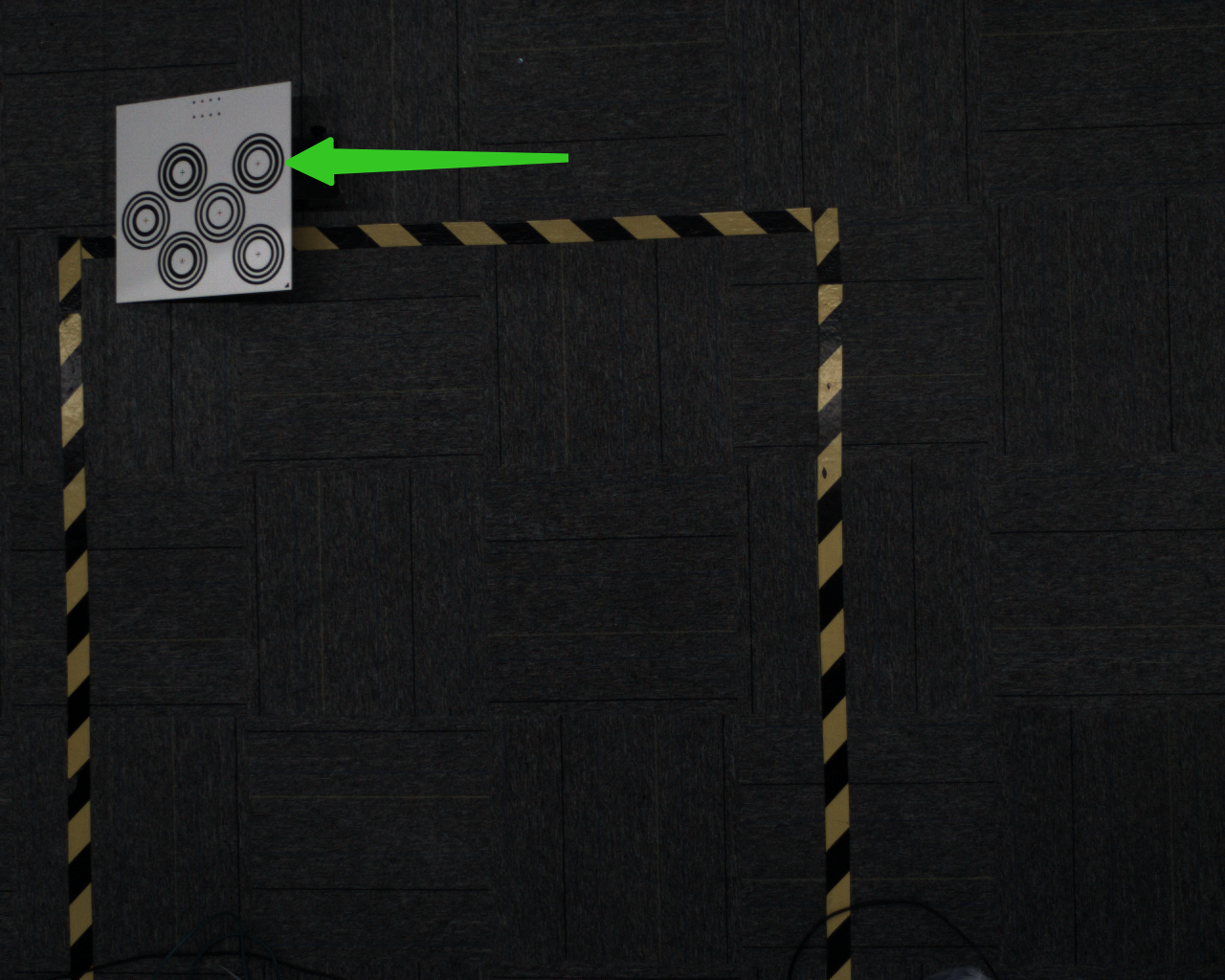
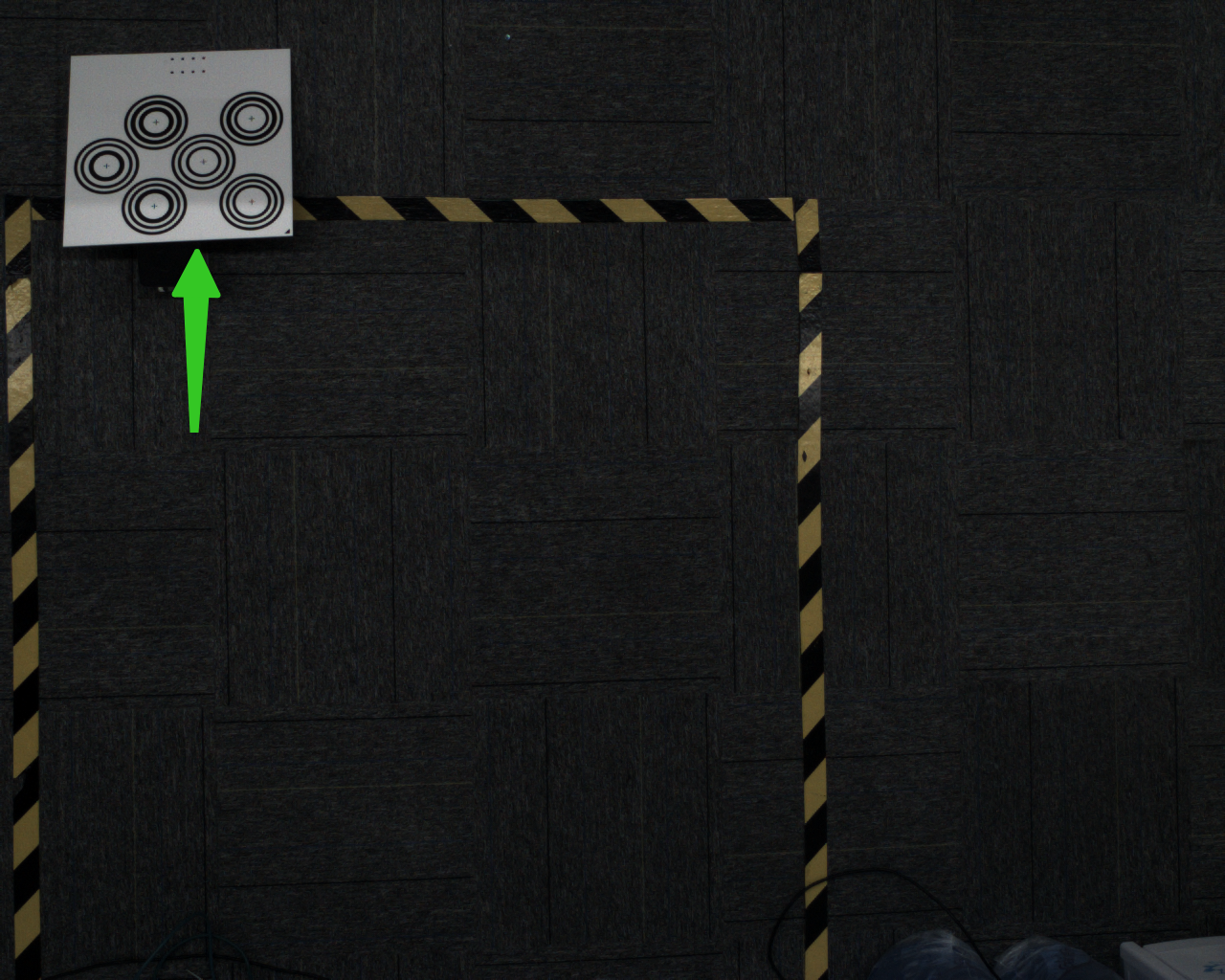
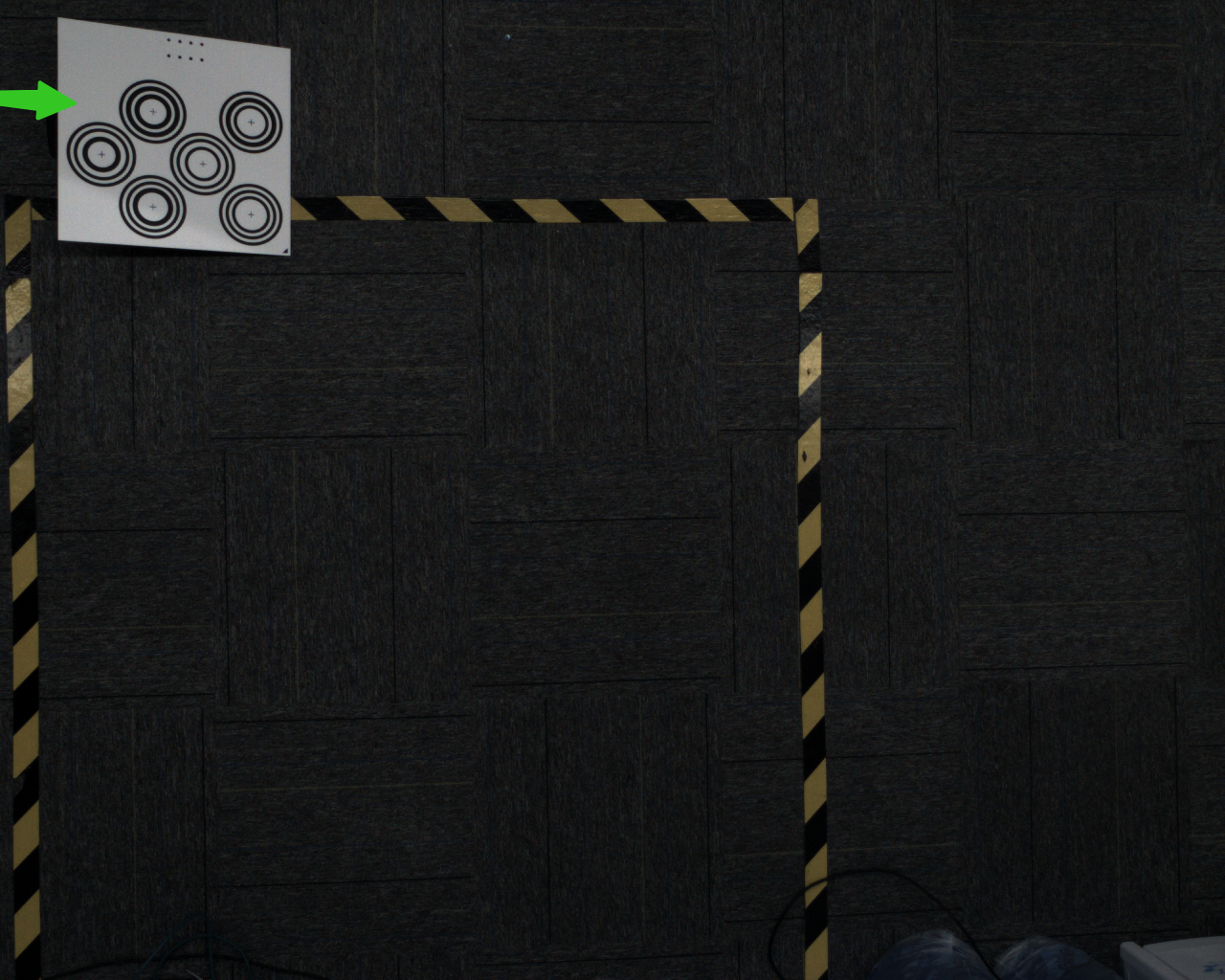
Position 3: Flat (1 image) + each edge raised (4 images)
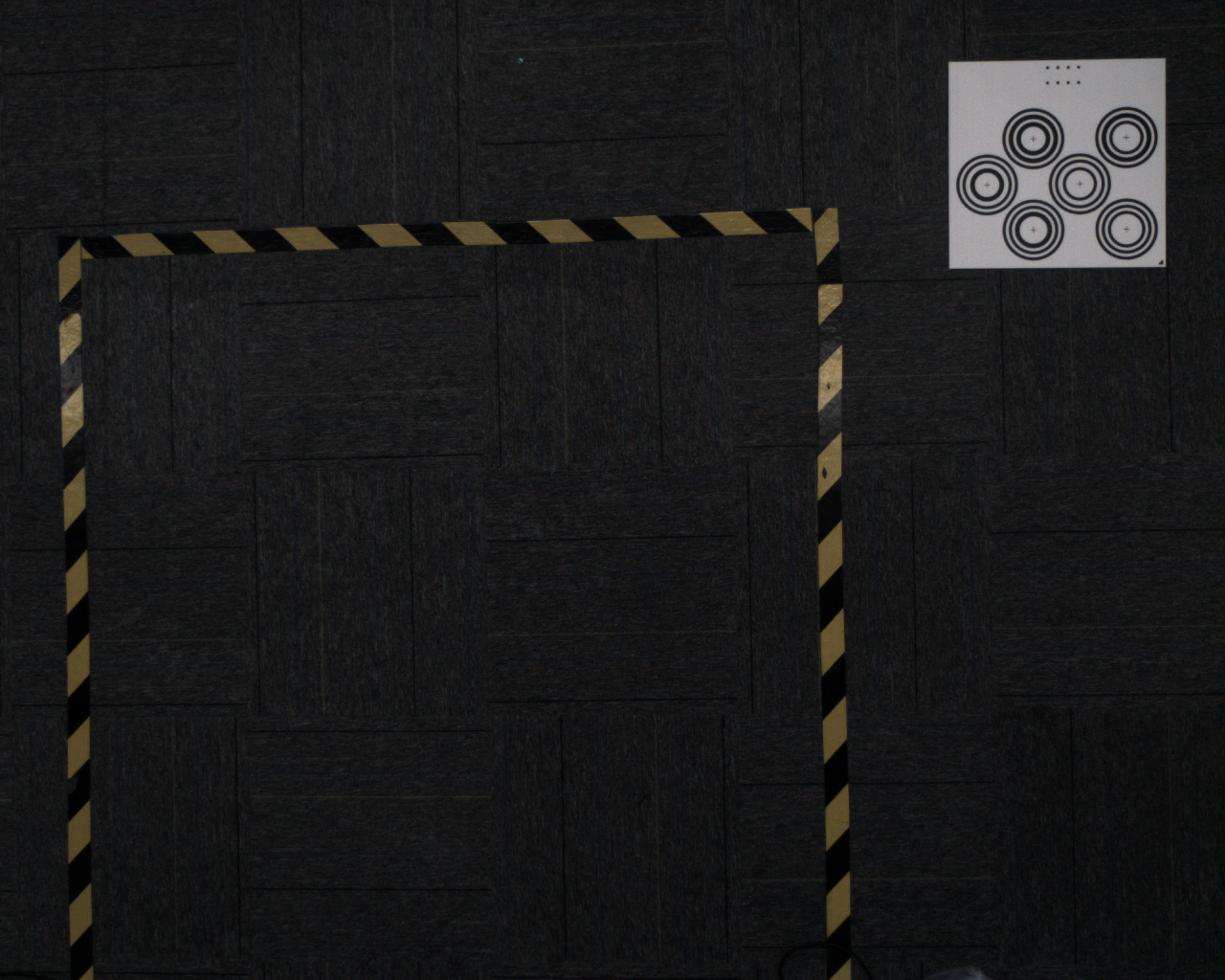
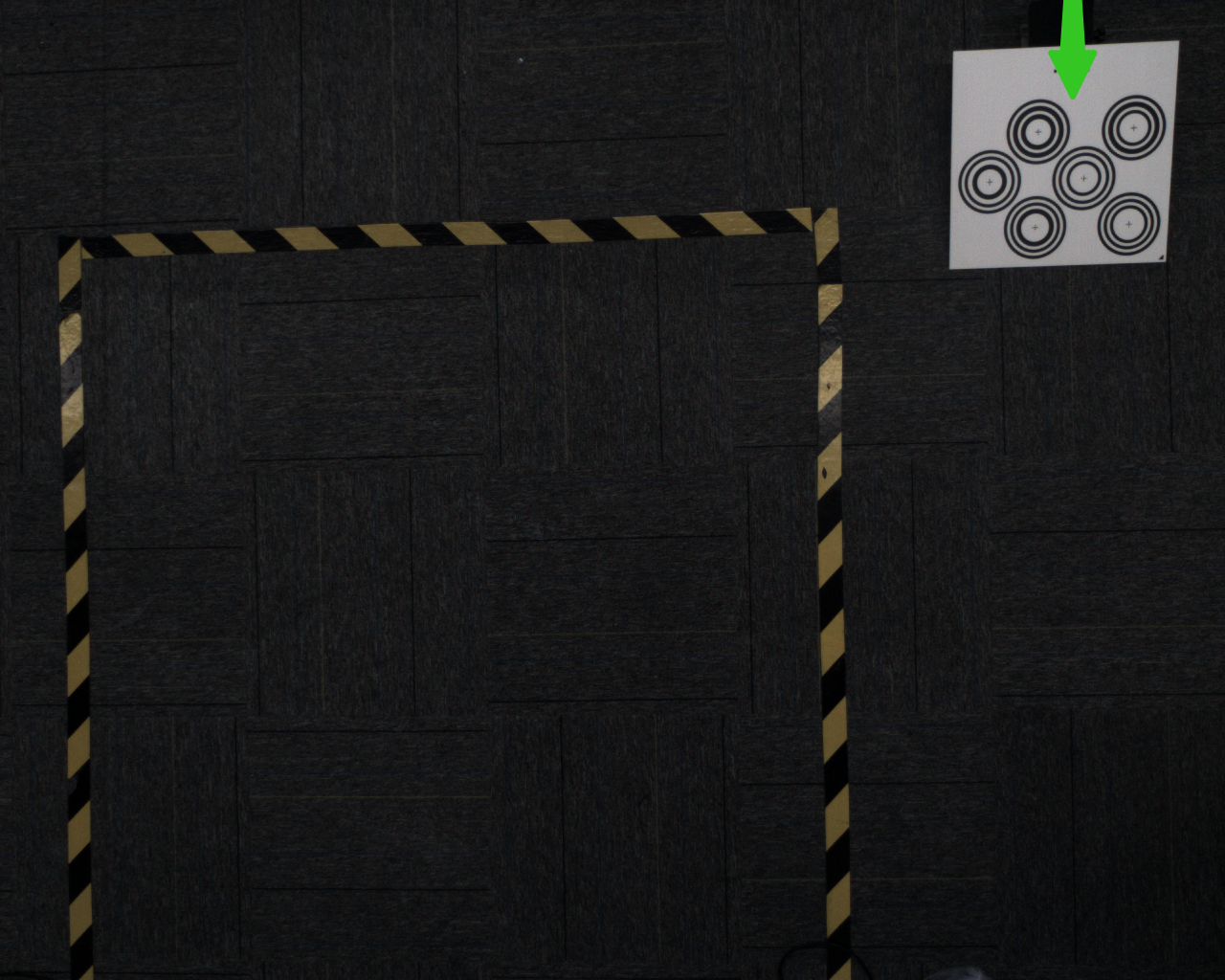
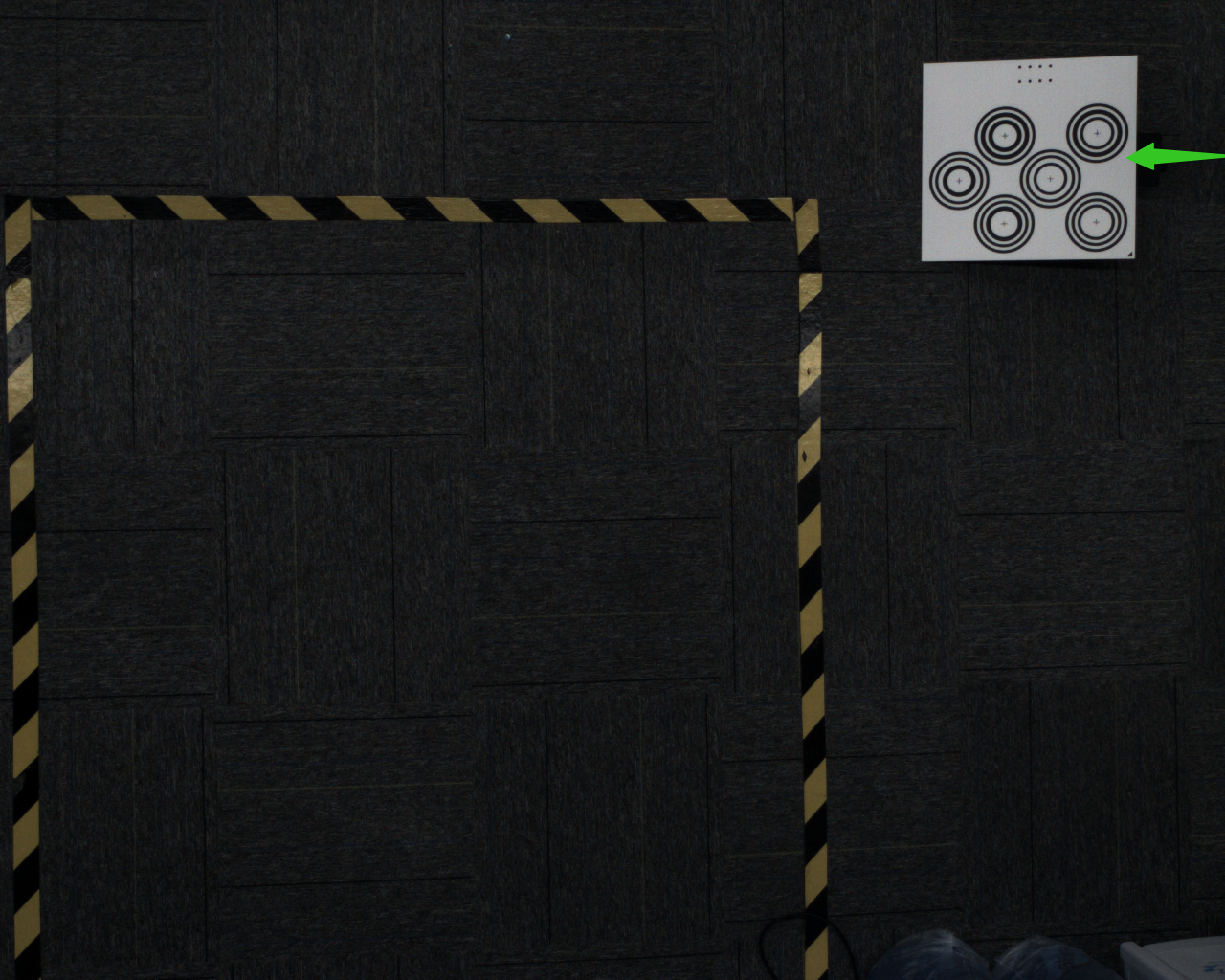
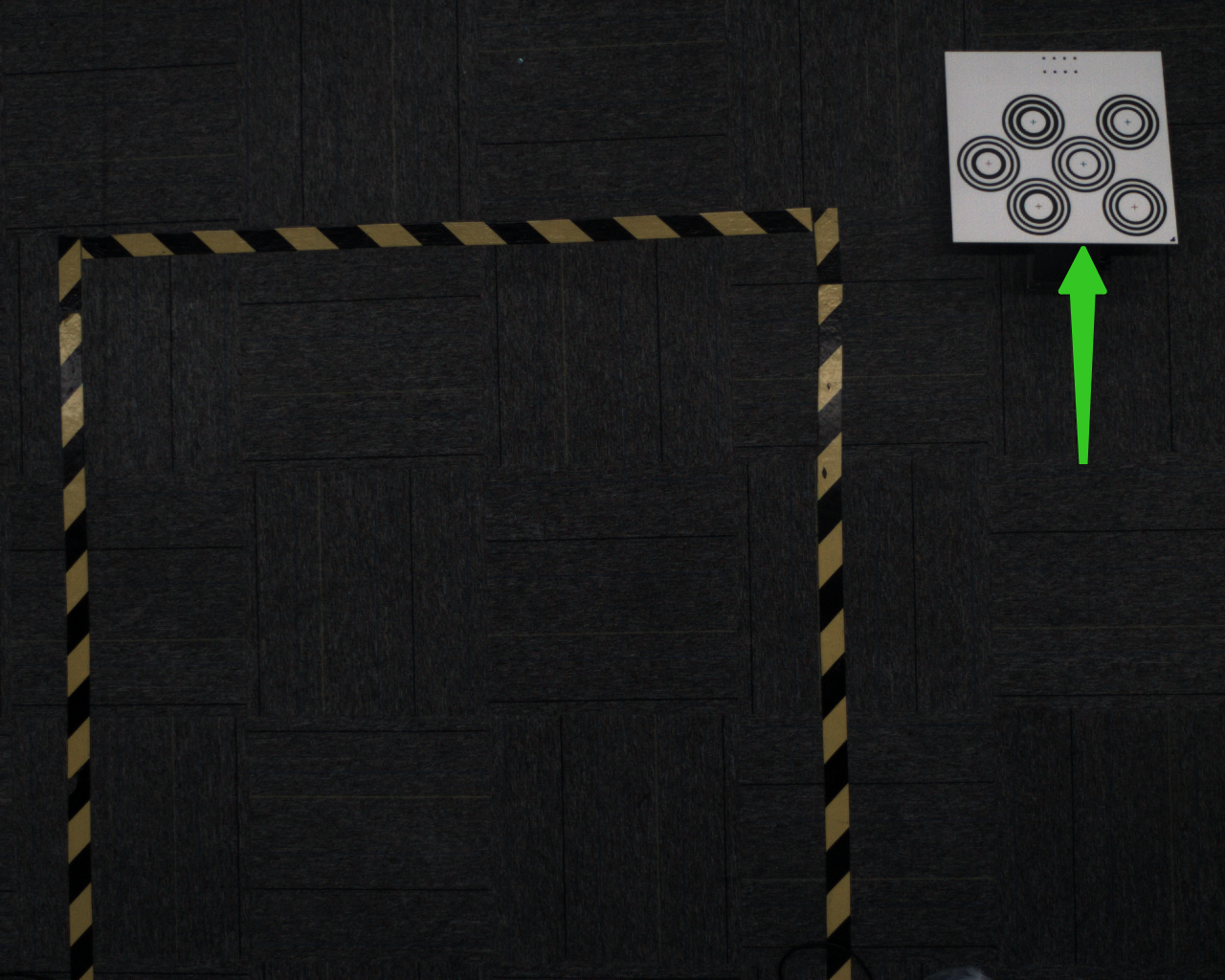
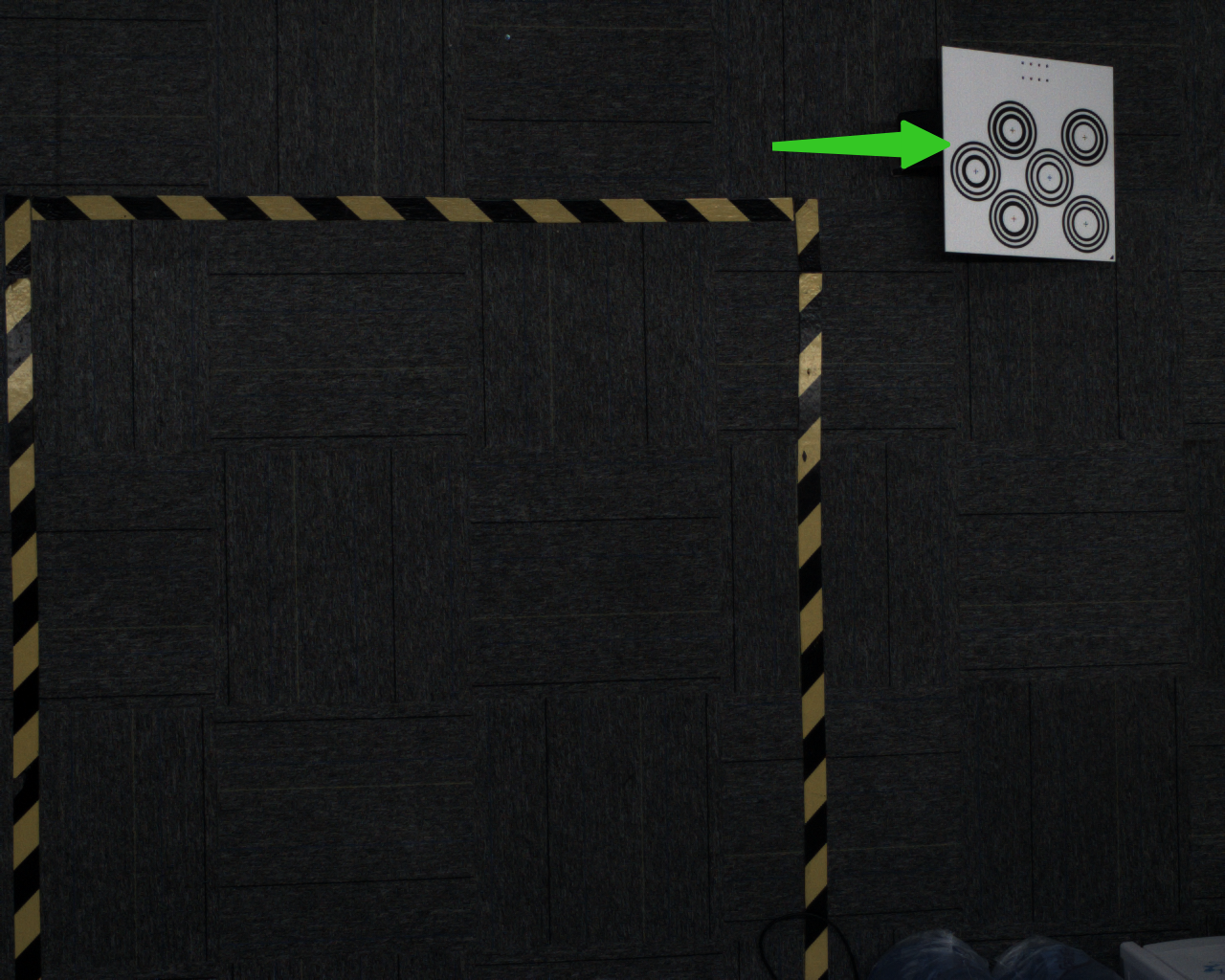
Position 4: Flat (1 image) + each edge raised (4 images)
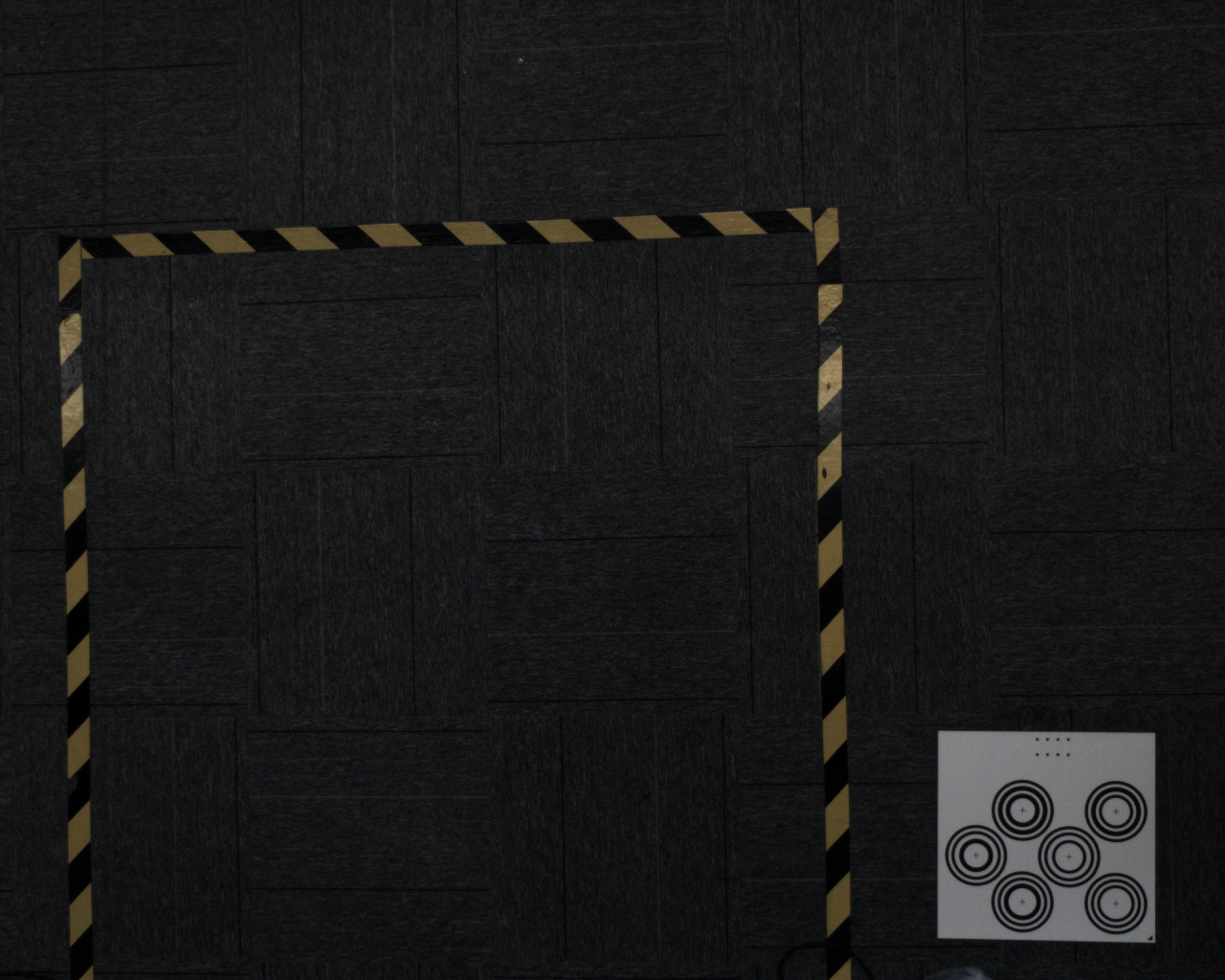
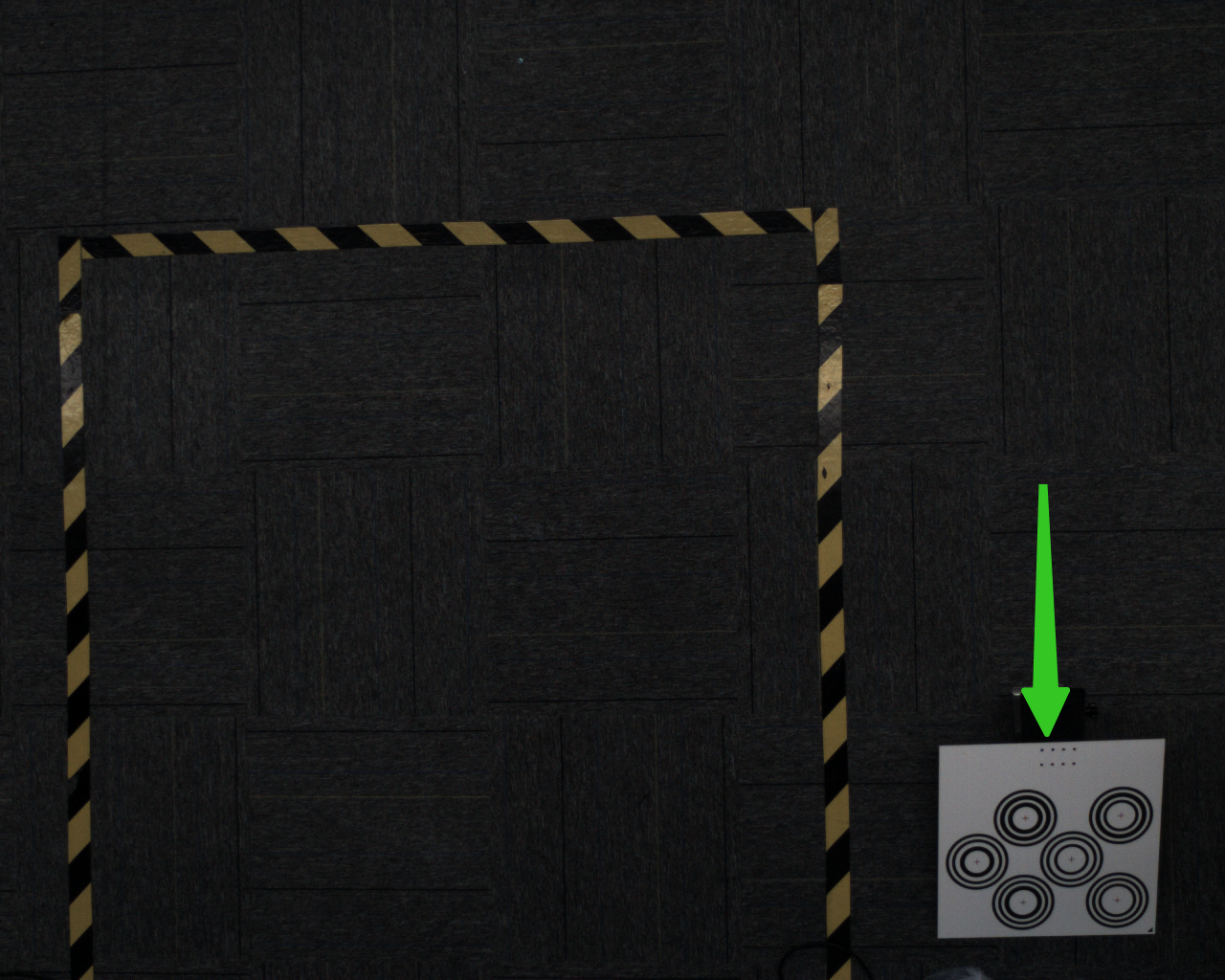
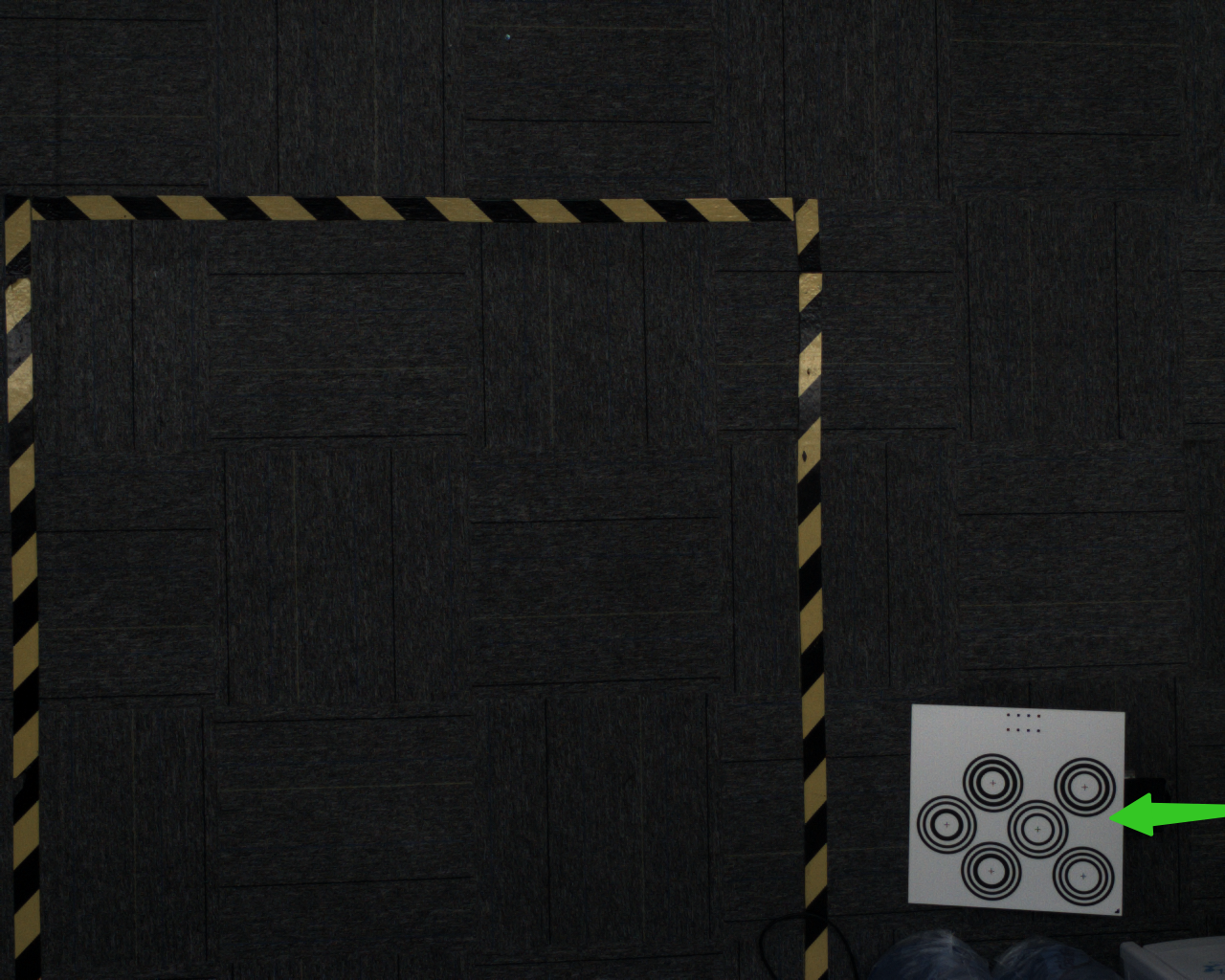
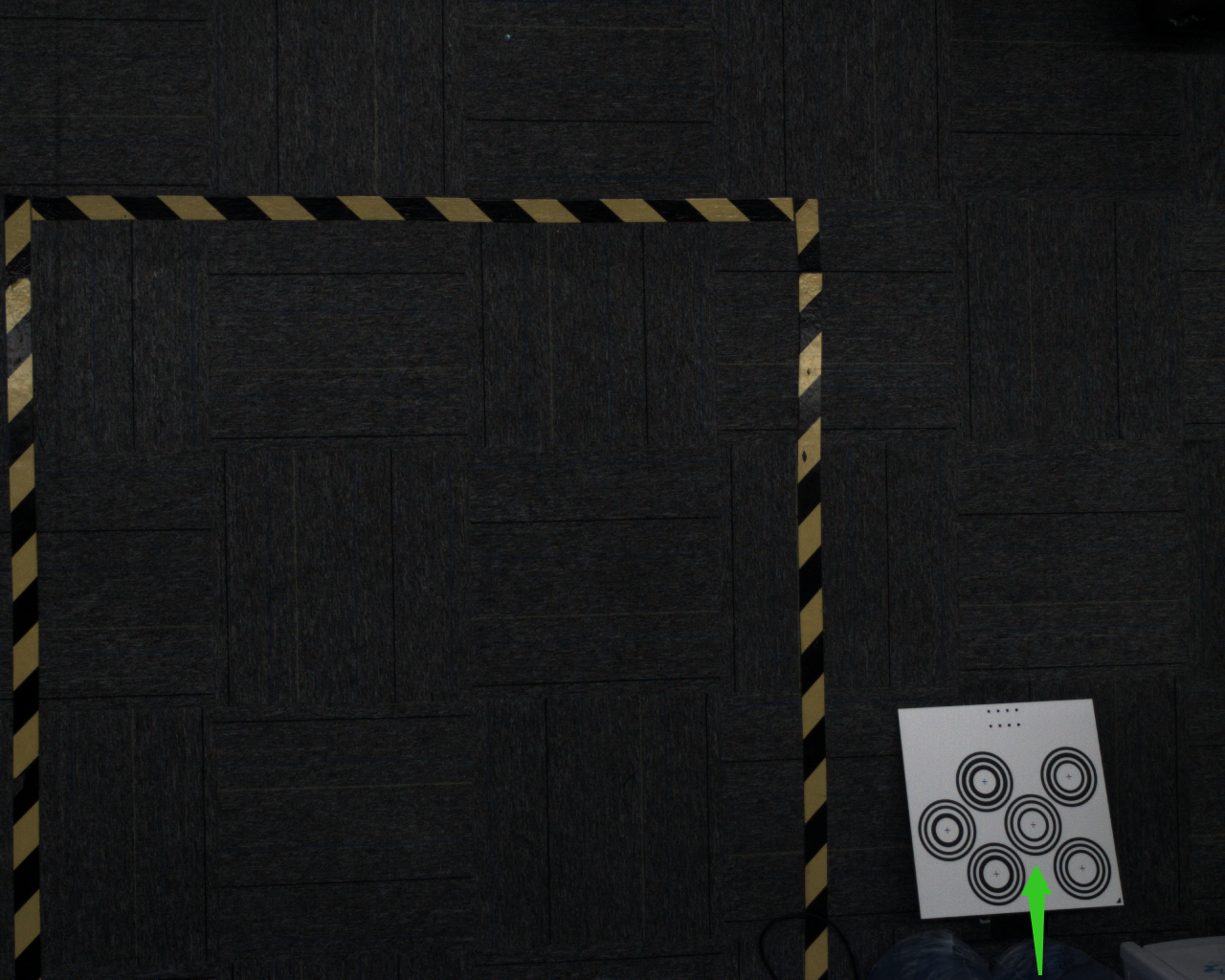
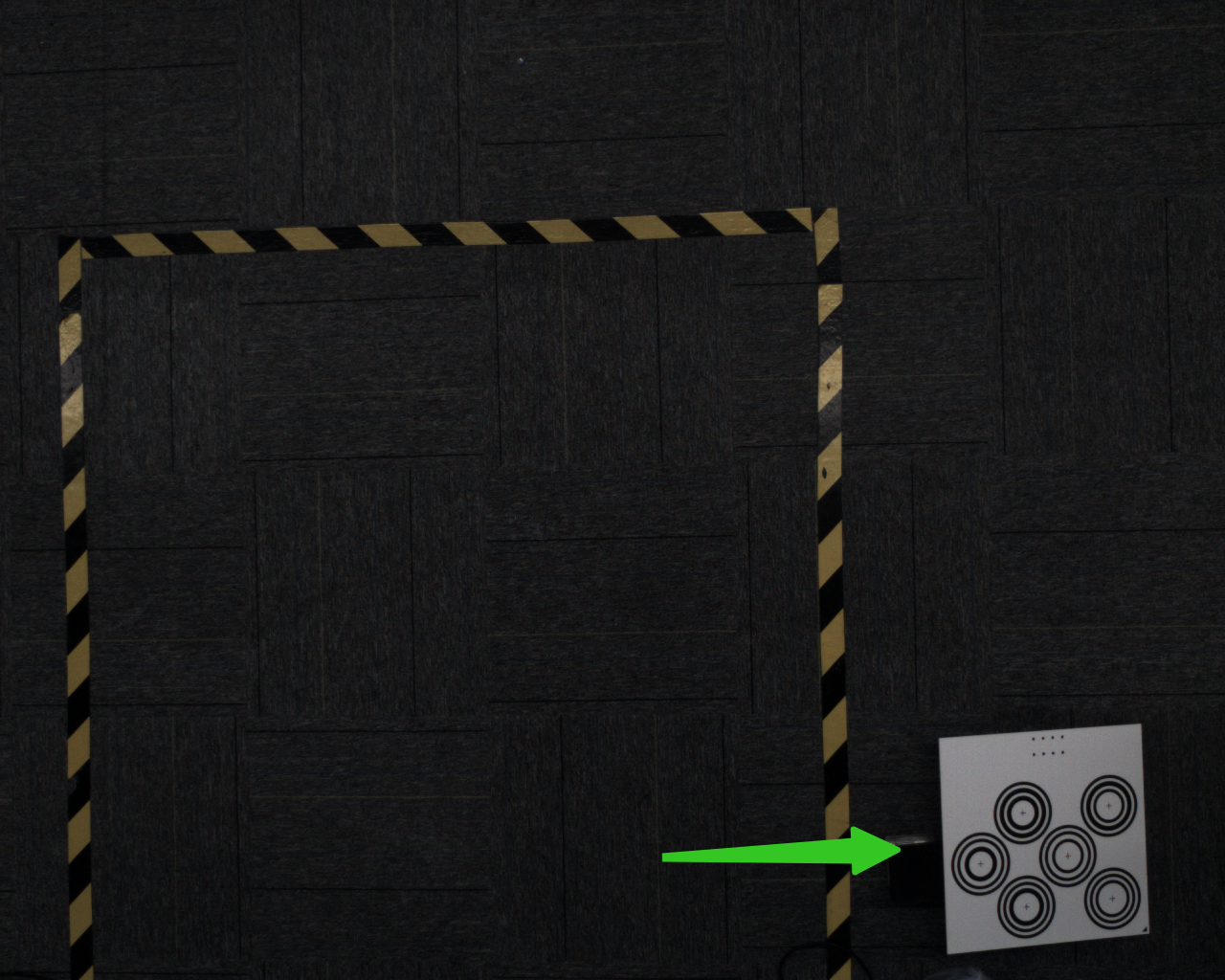
Position 5: Flat (1 image) + each edge raised (4 images)